
Happy New Year and welcome back! I hope you had a joyful, restful holiday.
Sign up here.
For our global tech editor Ken Li, the AI boom hit home while shopping for a Christmas gift: his 13-year-old son’s first gaming PC. What should have been a straightforward purchase turned into a pricing nightmare. Those gaming rigs sporting the latest hardware were 60% more expensive than they were merely a few weeks ago, revealing the personal cost of the memory chip shortage brought on by the AI boom and now squeezing the consumer supply chain.
Our latest reporting in tech & AI:
A new kind of chip shortage has Wall Street buzzed
The AI boom has an unexpected side effect, and it’s heading for your wallet. The price of your next smartphone or PC is likely going up—not because of flashy new AI features, but because of a global scramble for one of the most basic components inside: memory chips.
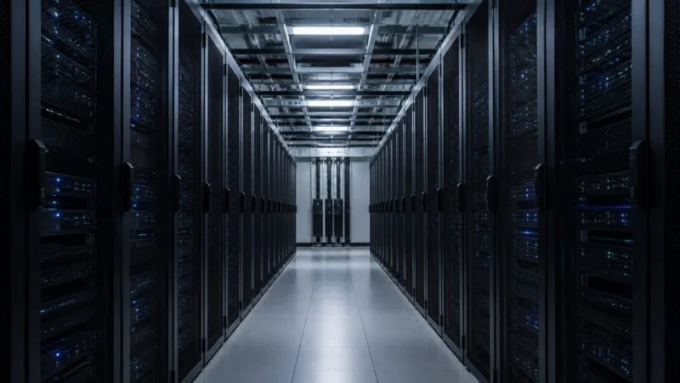
The squeeze spans nearly every type of memory — from humble flash chips used in USB drives and smartphones to high-bandwidth memory (HBM). HBM acts like a multi-lane highway that feeds data to power-hungry AI chips, and prices for some types have more than doubled since February.
Chipmakers are naturally following the money and in doing so, they’re starving everything else. Producing HBM for AI servers is more profitable than making conventional memory for phones, laptops and TVs. As a result, manufacturers are diverting capacity toward AI at a time when they still can’t produce enough high-end chips to keep up with demand.
Consumers are already feeling the crunch. In Tokyo’s electronics district of Akihabara, retailers have begun restricting memory purchases to curb hoarding. Samsung has warned that the shortage affects everything from phones to TVs and home appliances. Chinese smartphone makers Xiaomi and Realme said they may have to raise prices or focus on selling more premium models. IDC and Counterpoint now expect the global smartphone market to shrink next year as higher memory costs filter through.
Memory makers are expanding, but relief won’t come quickly. SK Hynix has said its 2026 production is sold out, while Samsung says customers have already lined up for next year’s HBM. New factories for conventional memory won’t meaningfully come online until 2027 or 2028.
Memory has always been a cyclical business, swinging between brutal busts and euphoric booms. What’s different this time is that AI is pulling the cycle forward, draining supply from everyday devices to feed data centers. There’s also a longer-term risk baked into this scramble. The industry hasn’t seen meaningful unit growth in years, yet it’s now being asked to absorb unprecedented capital spending to serve AI workloads. New fabs cost tens of billions of dollars and take years to come online, which means today’s shortage could easily become tomorrow’s oversupply if AI demand slows or shifts.
For now, the only certainty is that the AI gold rush is on, and the price of admission might just be hidden in the cost of your next gadget.
Chart of the week:

To put it in numbers, annual AI investment has surged from just over $70 billion to more than $210 billion in recent years, with deal counts up 24% over that period. Unlike the broad-based funding surge in 2021, this wave has all the capital concentrated into hyper-focused AI bets — large model developers, infrastructure providers, and AI-native platforms — while funding for non-AI startups has slowed to a trickle.
Reporting by Krystal Hu; Editing by Lisa Shumaker
Our Standards: The Thomson Reuters Trust Principles.










Leave a comment