
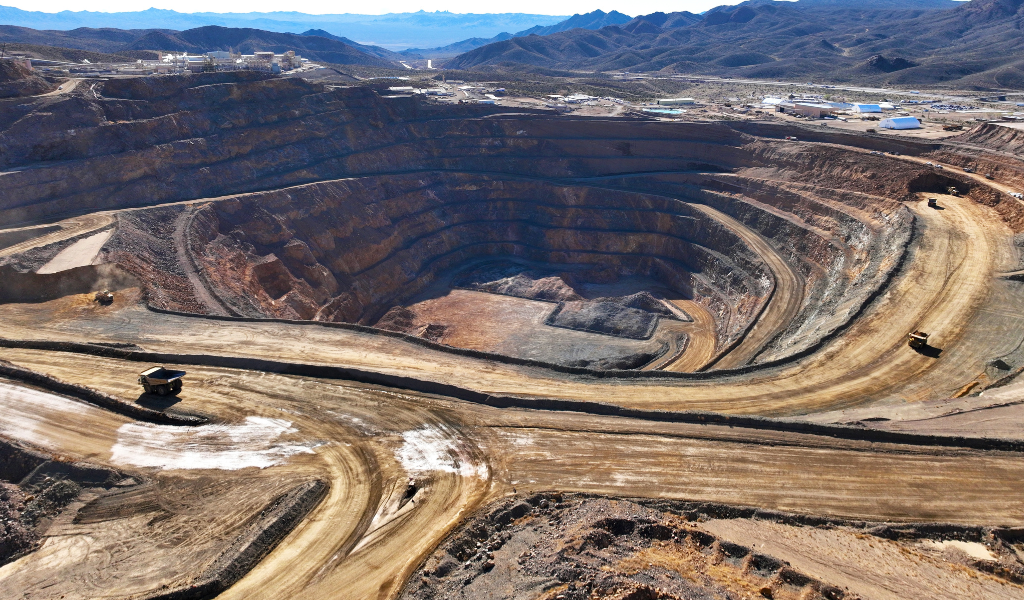
Minerals now sit at the heart of modern economies and societies. They underpin digital technologies and, crucially, the clean energy transition. The infrastructure and equipment required for decarbonization, from renewable power to grids and storage, are highly mineral-intensive.
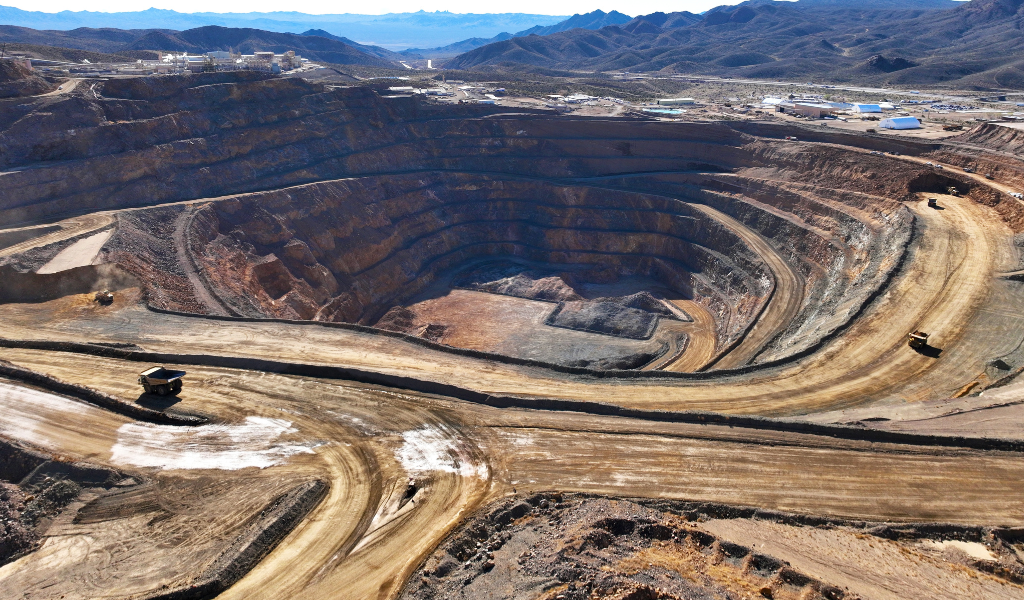
As commitments to the clean energy transition expanded, demand for, and extraction of , certain minerals also increased. The trend has been volatile, but unmistakably upward. This has generated growing anxiety: first around environmental and socio-economic impacts, especially questions of justice and development, and more recently around sufficiency and access. Will there be enough minerals? Who will get access to them? And who will decide?
Watch now
These questions have dominated debates on critical minerals so far. They are familiar, important, and legitimate. But this framing is no longer sufficient for understanding the challenges now emerging around minerals.
The missing demand: Militarisation and the slow policy response
Alongside clean energy and digital demand, a third driver of mineral demand has been expanding quietly but rapidly, yet remains poorly recognised in policy debates: military demand.
Security and militarisation have become far more prominent globally. Investment that once flowed into development, infrastructure, or ‘greening’ the economy is increasingly being redirected towards defence. In the mineral sector, this shift is already visible: contracts, priorities, and even definitions of what counts as “critical” are being shaped by military logics.
This matters because military systems are extremely mineral-intensive. They rely on many different, often highly specific minerals, in some cases with no easy substitutes. What is already happening, and will happen even more, is that growing military demand is intensifying competition over minerals and deepening development tensions around their use.
Yet institutions tend to react more slowly than problems. As a result, development-oriented policy debates and governance approaches continue to focus on improving extraction, while largely ignoring a now unavoidable question: How minerals are used, and to what ends.
From extraction to use: Reversing traceability through a mineral passport
This is where we believe attention now needs to shift.
Over the past two decades, major efforts to improve transparency, accountability and traceability in mineral supply chains have raised standards and generated valuable insights. Shaped largely by conventional clean and just energy transition framings, however, these initiatives have focused primarily on tracing risks and harms at the site of extraction, most often in resource-rich but economically poorer countries. As a result, they have tended to function more as tools to reassure consumers, regulators and investors in richer consuming economies than as instruments to support policy learning, bargaining power and development-oriented decision-making in sourcing countries.
But what if traceability were designed differently? What if, instead of stopping at origin, it followed minerals forward through the system, from extraction to transformation and end use, making these pathways visible and open to scrutiny?
One concrete way to do this is through what we call a digital mineral passport: a traceable identity that follows critical minerals from extraction to end use. Not to police or prohibit flows, but to make them visible, to understand how minerals move through the global economy, and to inform decisions about which uses are prioritised.
This idea is potentially both useful and transformative.It is useful because, in a context of scarcity and growing competition, decisions about allocation are unavoidable. Making mineral uses visible, to governments, investors, communities and civil society, creates the information needed to make those decisions more consciously, transparently and collectively.
It is transformative because it reconfigures the political meaning of traceability. Many existing schemes, experienced in resource-rich countries as intrusive or even colonial, have limited legitimacy and usefulness where minerals are actually extracted. A mineral passport redirects traceability towards shared, system-level visibility across the value chain, strengthening the position of actors in sourcing countries who bear many of the social and environmental costs.
In doing so, it opens the possibility of moving from North-centred compliance to negotiation across the entire value chain.
Crucially, this is not a futuristic proposal. It does not require radical new norms or speculative technologies. It can build on existing legal instruments, licences, contracts and off-take agreements, and tools that already exist, such as interoperable registries or blockchain-based systems.
Who could drive this — and why
Whether reverse traceability can work ultimately depends on whether key actors have clear incentives to push it forward. A digital mineral passport will only function if it aligns with real interests, pressures and decision-making needs across the mineral system.
- Resource-rich countries are a first and obvious constituency. More information means more bargaining power. Knowing where minerals go and how they are ultimately used strengthens negotiating positions on prices, timing, value addition and conditions of extraction. This matters precisely because many resource-rich but economically poorer countries are under pressure to attract investment. On their own, incentives to compete and undercut remain strong. But shared visibility across value chains creates scope for coordination and collective leverage, even if imperfect or gradual.
- Energy-transition actors also have strong reasons to engage. Minerals channelled into military systems are minerals unavailable for clean energy. A passport does not set priorities, but it makes them visible. That visibility helps reveal risks, trade-offs and pressure points that matter for green investment, planning and transition credibility.
- Peace and development institutions form a third constituency. War is bad for development, that is not controversial. Making visible how key inputs such as critical minerals are allocated between civilian and military uses can support accountability, monitoring and de-escalation efforts, particularly in geopolitically sensitive contexts.
Finally, communities and civil society have clear stakes. As extraction expands, territorial conflicts are intensifying. Companies frequently justify mining by invoking the energy transition. A mineral passport would allow communities to test those claims, trace responsibility beyond the mine site, and negotiate more transparently over risks, benefits and obligations.
Making choice possible again
As minerals become instruments of geopolitical power, information about how they are used becomes a source of collective power. Without visibility over mineral flows, governance gives way to reaction.
Making flows visible does not eliminate conflict. But it reopens space for agency, accountability and choice in a context where scarcity is increasingly managed through security imperatives rather than development priorities.
When the full journey of a mineral is known, from extraction to end use, civil society and public institutions can engage across the value chain. This makes it possible not only to manage harms, but also to shape opportunities and reclaim minerals as inputs for shared development, rather than silent drivers of competition and exclusion.















Leave a comment