
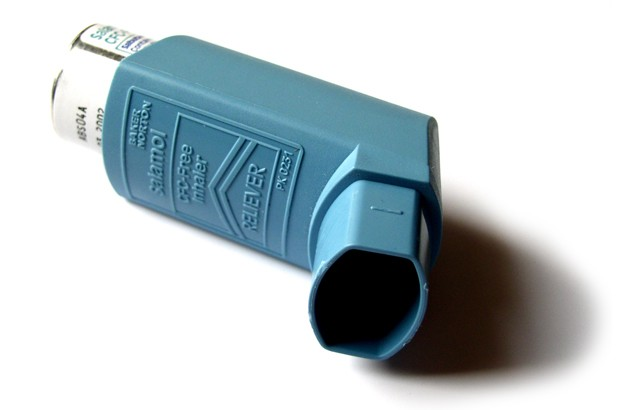

An East London initiative offers a practical blueprint for how the NHS can deliver the preventive, neighbourhood-based care set out in its 10-Year Health Plan.
Preventable asthma exacerbations continue to place avoidable pressure on GPs, urgent care and hospitals. In primary care, this presents as repeated requests for reliever inhalers and missed reviews; in hospital data, it appears as emergency attendances and admissions that could have been prevented upstream. As a practising GP and clinician academic working across primary and secondary care, I see both sides of this system failure daily.
The publication of the NHS 10-Year Health Plan in July 2025 makes this problem particularly urgent, as it exposes the gap between national ambition for preventive, neighbourhood care and the reactive systems in which clinicians currently work.
Persistent overuse of short-acting beta-agonist (SABA) inhalers, seen in more than a quarter of patients in some practices, is a well-recognised marker of poor asthma control and increased risk. Despite clear guidance, including the move towards MART (maintenance and reliever therapy, using a single combination inhaler), SABA overprescribing remains widespread. From our perspective, this is less a failure of individual clinicians and more a failure of the systems we work within: fragmented data, delayed feedback, and care pathways that remain fundamentally reactive.
Why we built a neighbourhood learning health system
This neighbourhood asthma programme emerged from a collaboration between academic GPs, frontline clinicians, data scientists and a hospital respiratory consultant, with a shared aim: to design a system that would make safer asthma care the default, not the exception.
Rather than studying asthma care at arm’s length, we co-designed and implemented a learning health system embedded within routine general practice. By integrating real-time prescribing intelligence directly into electronic health records (EHRs), we were able to support proactive, prevention-led asthma management at the neighbourhood scale.
This approach provides a practical example of how the neighbourhood health service described in the NHS 10YHP – grounded in real clinical workflows – is actually doable now.
Although the programme was implemented in East London, it was deliberately designed for replication rather than as a one-off local success. It builds on earlier neighbourhood-based quality improvement work funded by Barts Charity, including improvements in childhood vaccination uptake, demonstrating that the same data infrastructure and collaborative approach can be applied across conditions and settings.
Our focus was not just on whether outcomes improved, but on whether the model could realistically be adopted elsewhere in the NHS.
What we changed – and what we learned
The intervention combined three core components:
- Real-time prescribing alerts embedded within GP systems, flagging high-risk SABA use and prompting timely clinical review
- Neighbourhood-level collaboration, enabling practices to act collectively rather than in isolation
- Multidisciplinary quality improvement, involving GPs, pharmacists, and practice teams
Among patients identified as overprescribed SABAs, the introduction of EHR-embedded prescribing alerts was associated with a 50 per cent reduction in SABA overprescribing during the subsequent year. This reduction was accompanied by a corresponding increase in appropriate maintenance inhaled corticosteroid (ICS) prescribing, supporting a shift from crisis-driven prescribing towards more precise, preventive asthma care.
One of the clearest findings was that neighbourhoods with stronger inter-practice relationships implemented change more quickly and more consistently, with less variation between practices. Shared learning, peer comparison, and collective problem-solving enabled practical changes such as removing SABAs from repeat prescription lists and embedding pharmacist-led asthma reviews.
Importantly, qualitative feedback showed that the intervention was well received by primary care teams. Because it was co-designed with clinicians and embedded in existing workflows, it was perceived as clinically supportive rather than an additional administrative burden.
This reinforces a core message of the NHS 10YHP: neighbourhood infrastructure is not a “nice to have”– it is essential for delivering prevention-led care at scale.
Although the intervention is delivered in primary care, it was designed with the wider asthma pathway in mind. Working alongside hospital colleagues ensured that prescribing safety, follow-up after exacerbations, and shared accountability across settings were built into the model.
The findings suggest a potential reduction in asthma hospital admissions (by 11 per cent), highlighting the system-wide benefits of upstream intervention.
What the centre needs to do
Our experience suggests that scaling this model would require:
- Access to high-quality, near-real-time prescribing data
- Seamless EHR integration, so decision support operates within routine consultations
- Neighbourhood-level data-sharing agreements to support population health management
- Protected time and support for multidisciplinary quality improvement
- Alignment with national respiratory priorities, including wider adoption of MART
Without these enablers, learning health systems risk remaining confined to small pockets of innovation, rather than becoming standard NHS infrastructure.
As clinician-academics, our aim was not simply to demonstrate an intervention that works, but to show how the NHS can operationalise its long-term strategy in everyday clinical practice. This neighbourhood asthma programme demonstrates that when primary care is equipped with real[1]time data, integrated digital tools, and collaborative structures – and when it is designed in partnership with secondary care – we can reduce avoidable harm, improve patient safety, and relieve pressure on hospitals.
If the ambitions of the NHS 10YHP are to be realised, learning health systems such as this need to move from the margins into the mainstream of NHS care.
Read Dr De Simoni’s paper published in the European Journal of General Practice here.
This article first appeared in HSJ on 17 February 2026.
















Leave a comment