
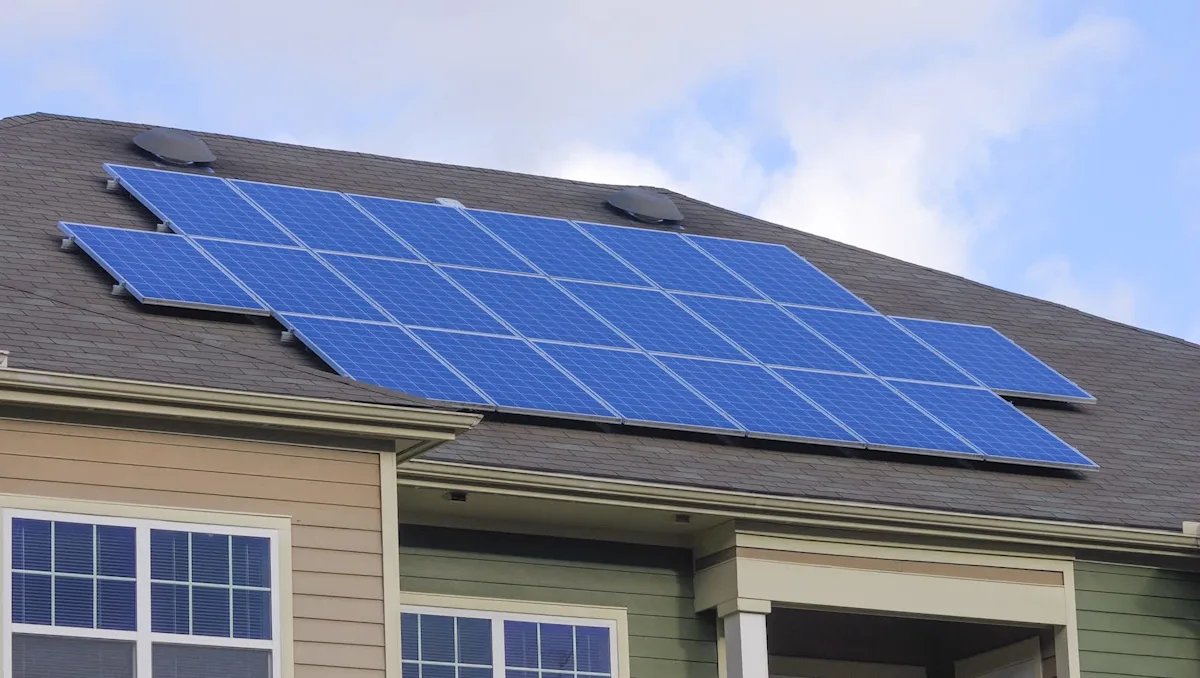
Solar energy continues to experience record-breaking growth, but many homeowners still wonder whether installing solar panels on their roofs is safe.
According to energy experts Andrew Blok and Andrew Giermak, “here’s what you need to know”: Rooftop solar systems are generally considered safe — both for the structure of your home and the people living in it — and can offer significant environmental benefits.
In an article written for Palmetto, they debunked the popular myth that solar panels can harm your health. Some worry about radiation or cancer risks, but scientific data show no link between solar systems and any form of cancer.
While solar panels do emit very low levels of electromagnetic fields, these are non-ionizing and similar to the EMFs generated by everyday appliances like microwaves, Wi-Fi routers, and TVs — levels that the World Health Organization considers harmless.
Another concern many potential buyers have is about heat. Because panels absorb sunlight, there’s a myth that they cause homes to overheat. In fact, studies indicate that rooftop solar can slightly lower roof temperature by intercepting sunlight before it reaches the roof itself, resulting in slightly cooler indoor temperatures.
If you want to reap the benefits of solar, like lower energy bills and improved home resilience, check out TCD’s partners, including Palmetto, which have $0-down solar subscription options with low monthly payments. The organization’s LightReach solar leasing program can get panels on your roof for no money down and help you avoid energy inflation.
Environmental and health advantages also play into the safety narrative. Solar energy helps improve air quality by cutting reliance on coal and natural gas, reducing harmful pollution linked to respiratory illnesses such as asthma. Residential solar panel systems also use no water once installed, which can also benefit communities in drought-prone areas.
The energy experts also addressed concerns about toxic materials in solar panels and end-of-life waste. While some panels contain heavy metals like cadmium and silver, these are safely encased in the module and don’t pose a risk during normal use. Recycling technologies are improving, and many parts of solar panels can be reclaimed at the end of their roughly 25-year lifespan.
But proper installation remains key to ensuring your roof isn’t damaged. When installed by certified professionals and paired with thorough roof inspections, solar systems shouldn’t harm roof structures — and warranties can protect against leaks or other issues.
For most homeowners, going solar represents a safe step toward cleaner energy and long-term environmental benefits. To save even more on green home improvements, consider downloading the Palmetto Home app to unlock up to $5,000 in rewards for making simple lifestyle changes, such as reducing energy use.
Get TCD’s free newsletters for easy tips to save more, waste less, and make smarter choices — and earn up to $5,000 toward clean upgrades in TCD’s exclusive Rewards Club.













Leave a comment