
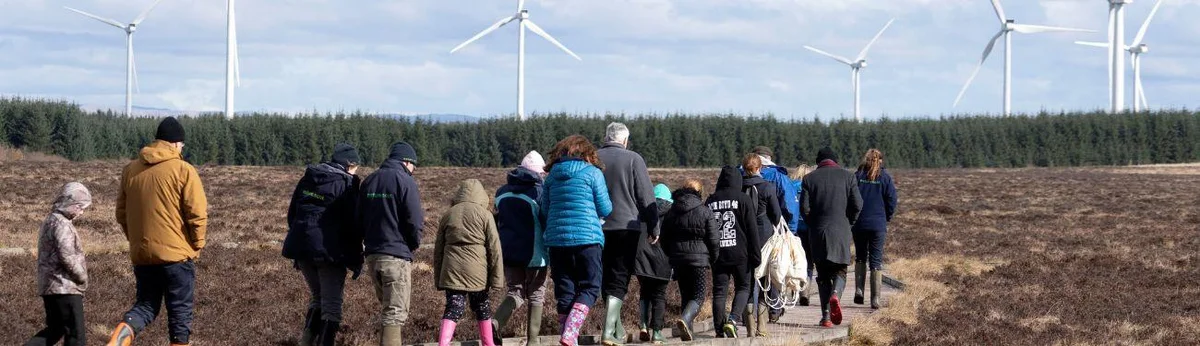
As the need for cheaper, cleaner power grows more urgent, we already have the potential to meet the government’s onshore wind targets without building any new sites
While the first commercial wind farm started operating in the early 90s, it wasn’t until the shift towards much larger-scale projects in the 2000s that onshore wind development really started to boom in the UK.
Between 2009 and 2014, capacity grew from 3,471MW (3.5GW) to 8,573MW (8.6GW), before a de facto ban implemented in 2015 effectively halted new onshore wind developments in England. But with the wind farms born out of this period soon coming to the end of their initial operational life, it begs the question: what do we do with the ageing infrastructure? Wind farm owners have three options – close and dismantle the site (decommission), undergo elevated maintenance of, or replace, certain components to allow the project to continue operating in the short-term (life extension) or replace the older turbines with modern and even more productive technology (repowering).
More than half of Great Britain’s current onshore wind fleet is expected to face this decision by 2035 – a deadline by which the UK is targeting to have delivered 35GW in new onshore wind capacity. For us, the solution is simple. Without embracing the potential of repowering, we risk moving further away from net zero targets and energy security, sacrificing the country’s ability to deliver cheap, clean and homegrown power. In fact, by 2040, we could lose almost 9GW of onshore wind from our total generating capacity if we don’t act.

The potential is huge
According to Regen, a not-for-profit providing independent, evidence-led insight and advice on the UK energy transition, repowering could add an additional 690MW of onshore wind capacity by 2035. This could increase to a possible 6GW by 2050 – enough to power, respectively, the equivalent of 560,000 and 4.9 million average UK homes annually. Not only does this mean that vital capacity is not lost to decommissioning, but it also offers a host of other economic and social benefits.
One of the major advantages of repowering is that it boosts energy output without requiring new land as projects can often repurpose existing access roads and grid connections. Instead, the focus can be on how to improve biodiversity and sustainability measures at these sites, as well as ensuring the environmental and financial benefits are felt on a local level.
Since the original projects were built, the model for community shared ownership has evolved significantly. Repowering gives both developers and local communities an opportunity to explore the potential for shared ownership (ie the community takes a stake in a local project) which often brings with it higher financial returns and more control for the community.
More broadly, research from leading trade association RenewableUK has found that growing the UK’s onshore wind capacity could generate up to 27,000 new jobs by the end of the decade.

How can you help support your local repowering projects?
Repowering requires projects to revise planning permissions, design considerations and environmental assessments. One way that local communities can support is by actively participating in planning meetings to ensure projects align with local needs, from the size and design of the turbine through to site biodiversity and the causes its community benefit fund should support. You could also consider how you advocate for these projects more broadly, for example promoting and supporting repowering on social media or in the workplace or exploring community shared ownership opportunities.
The UK has an admirable history in onshore wind and repowering is the answer to preserving that legacy and passing it forward. By refreshing existing sites in partnership with local communities, we can utilise this abundant resource, increase energy security, cut emissions, unlock new green jobs and deliver clean electricity to homes and businesses long into the future.














Leave a comment