
BIRMINGHAM, Mich. —
Manufacturers handling large, complex components are increasingly turning to hybrid automation systems that combine robotics with human expertise. At Scania, a new gripping system is helping address that challenge by enabling safe, precise handling of heavy engine components in a human-robot collaborative environment.
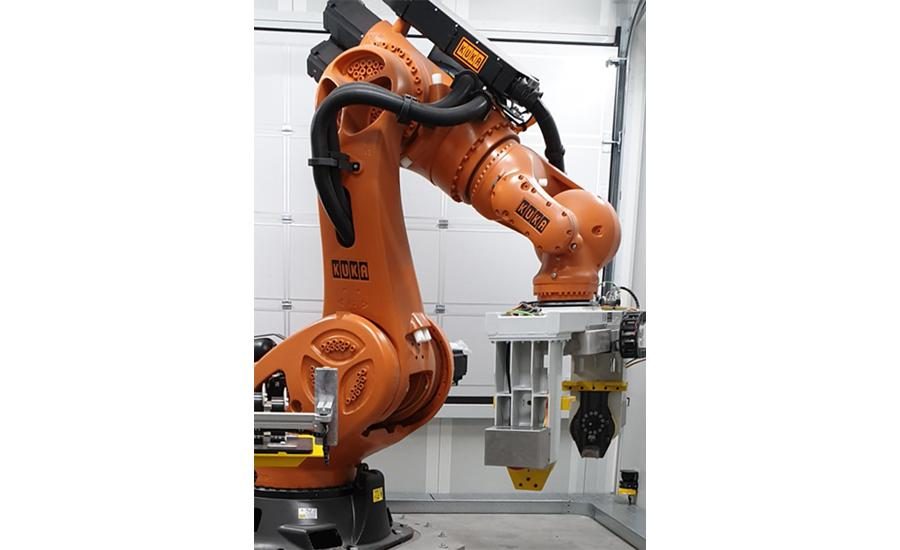
The system, developed by Zimmer Group and integrated by MRK-Systeme GmbH, is designed to handle truck engine blocks and cylinder heads weighing up to 400 kilograms. It allows robots to take over material handling while operators focus on inspection tasks.
In traditional quality inspection processes, a significant portion of time is spent repositioning parts for testing. At Scania, that manual handling limited efficiency and reduced the time available for detecting casting defects.
The new system shifts those non-value-added tasks to automation. Four heavy-duty robots pick up components, position them precisely and present them to operators in ergonomically optimized positions for inspection.
At the center of the setup is a custom end-of-arm tool (EOAT) designed to meet the demands of heavy loads and close human interaction. The gripping system automatically removes components from a conveyor, secures them and positions them within the operator’s workspace.
The design had to balance multiple requirements, including high load capacity, compact size and reliable operation in a harsh foundry environment. It also required an MRK-compatible safety concept to support safe interaction between operators and robots.
Operators can adjust the orientation of each component using a joystick, allowing for flexible positioning during inspection. The system enables controlled rotation and movement while maintaining stability, ensuring predictable interaction between the robot and the operator.
Looking for quick answers on assembly and manufacturing topics?
Try Ask ASM, our new smart AI search tool.
Ask ASM
This approach reflects a broader shift toward hybrid automation, where robots handle repetitive or physically demanding tasks while skilled workers focus on decision-making and quality control.
After more than two years in operation, the system has been used to inspect more than 300,000 workpieces, with a cycle time of approximately 210 seconds.
The application highlights the growing role of gripping technology in enabling human-robot collaboration. By combining precision handling with safe interaction, manufacturers can improve productivity while maintaining the flexibility needed for complex inspection processes.
















Leave a comment