
Energy is an issue that has shot up the Scottish public’s agenda recently, reflecting growing public concern about energy security, as well as pain at the petrol pump with fuel price rises in the wake of the US/Israel-Iran war.
Most aspects of energy policy are currently reserved to Westminster, although certain powers, including planning for onshore energy and promoting renewables, are devolved to Holyrood. This means while the Scottish Government can block new nuclear development, it cannot intervene on most aspects of energy policy, including the question of new North Sea oil and gas drilling licences.
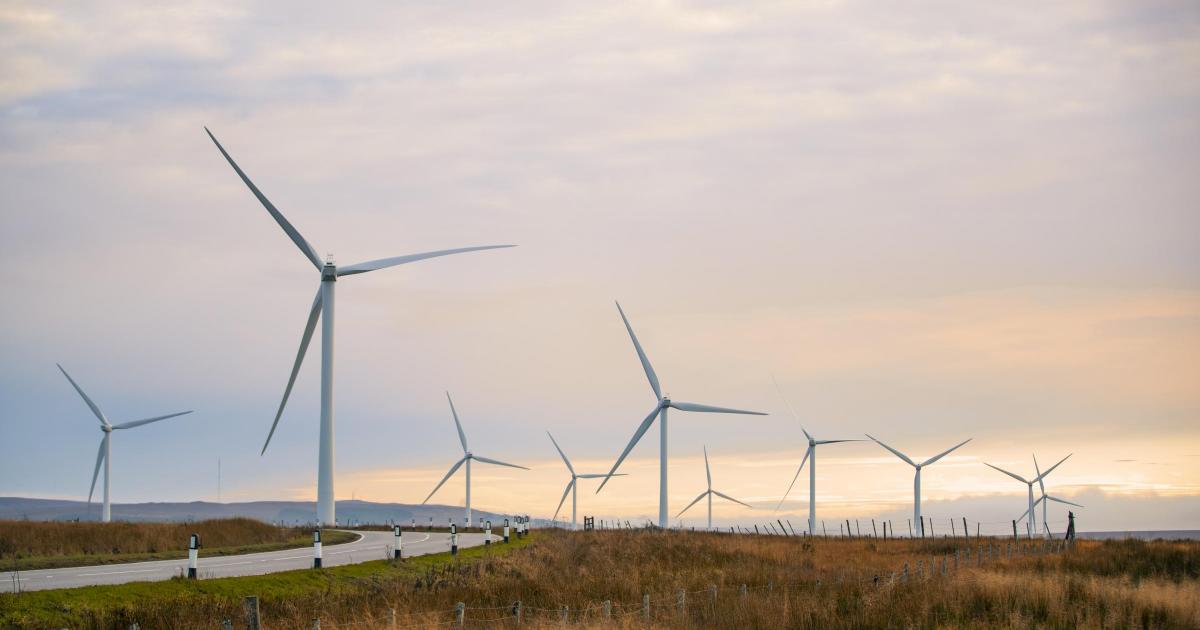
So what do the public want to see in Scotland’s energy mix? New polling from Ipsos suggests Scots have a pragmatic take on future energy development. Support for renewable energy is highest, with 74% backing more investment in renewables like solar, wind and tidal in Scotland while just 9% oppose this. But there is also support for new oil and gas drilling in the North Sea, with 53% in favour of issuing more licences this and around one in five (22%) not in favour.
Read more
With two major untapped oil and gas fields – Rosebank and Jackdaw – at the centre of debates around further drilling in the North Sea, the parties disagree on whether or not this should be permitted.
At one end, the Scottish Conservatives and Reform UK strongly advocate for issuing more drilling licences. Speaking on the BBC’s Debate Night in March, Reform UK’s leader Malcolm Offord called it “daft” that Scotland imports oil from elsewhere.
In the middle there are Scottish Labour and the Scottish Liberal Democrats, who argue for a phased reduction but see merit in specific projects like Rosebank and Jackdaw. Scottish Liberal Democrat leader Alex Cole-Hamilton commented to a recent BBC Question Time audience in Aberdeen that “if it makes more environmental sense to extract it from our waters than it does to import it with additional carbon, then we should”.
Meanwhile the Scottish Greens decisively oppose any new developments, arguing that any new oil and gas exploration in the North Sea is not compatible with the climate crisis. Until recently the SNP shared this position but now seem to be wavering. While campaigning in Edinburgh last month, SNP leader John Swinney said energy security had become a “more significant” factor in decisions on new drilling.
This shift in position from the SNP is more in tune with public opinion. A majority of Scots think that further drilling in the North Sea could have a positive impact on Scotland’s economy (62%), with just 8% expecting a negative impact. Similarly, over six in 10 (62%) anticipate a positive impact for the UK’s dependence on other countries for energy, while just 7% think the impact will be negative.
The public are aware of the trade-offs between economy, energy security and environment though, with more recognising the potential negative environmental impacts of further drilling in the North Sea than not. Just over three in 10 (31%) say that further drilling will have a negative impact on Scotland’s ability to meet its target to reduce carbon emissions, while 24% expect a positive impact. Given the level of enthusiasm for investment in renewables, this split in opinion over the environmental impacts of new oil and gas projects is perhaps surprising. But what it suggests is that the public, in response to an increasingly unpredictable world, are more open to a range of solutions to boost energy security.
Read more
Another solution could come in the form of new nuclear development. This is something that the SNP have long opposed, putting them at odds with the UK Government’s pro-nuclear stance. While Scotland’s two governments are in stalemate on this question, our polling finds that more Scots would support (45%) than oppose (28%) the building of new nuclear power stations in Scotland. This suggests that the UK Labour Government’s position is more in tune with the Scottish public’s views than the SNP’s.
That said, the SNP is more aligned with the public when it comes to where power over energy decisions in Scotland should lie. John Swinney has said that he will push the UK Government for energy policy to be devolved to Holyrood if the SNP wins the election, and he may find that more of the Scottish public are behind him on this.
Half of Scots (51%) think energy policy should be mostly or completely devolved to the Scottish Government rather than the UK Government – including a third (33%) who think it should be a completely devolved matter. Just 14% think it should be mostly or completely reserved to the UK Government, while a quarter (25%) think it should be a responsibility shared equally between both governments. Support for energy policy to be devolved is strongest among 2021 SNP voters, and lowest among Conservative voters – while those who voted Labour in 2021 are more divided.
At a time when geopolitical turmoil makes energy security feel more important than ever, a majority of the public want the perceived economic security of oil and gas alongside more investment in renewables – as well as for Scotland to have more control over energy policy decisions. While the SNP are comfortably ahead in the polls, on energy at least, their position is not in tune with the public’s view. This opens the door for Reform UK and other parties to capitalise come election day – especially in parts of Scotland such as the North East where the energy transition is felt most acutely.
Sally Abernethy is Associate Director at Ipsos Scotland















Leave a comment