
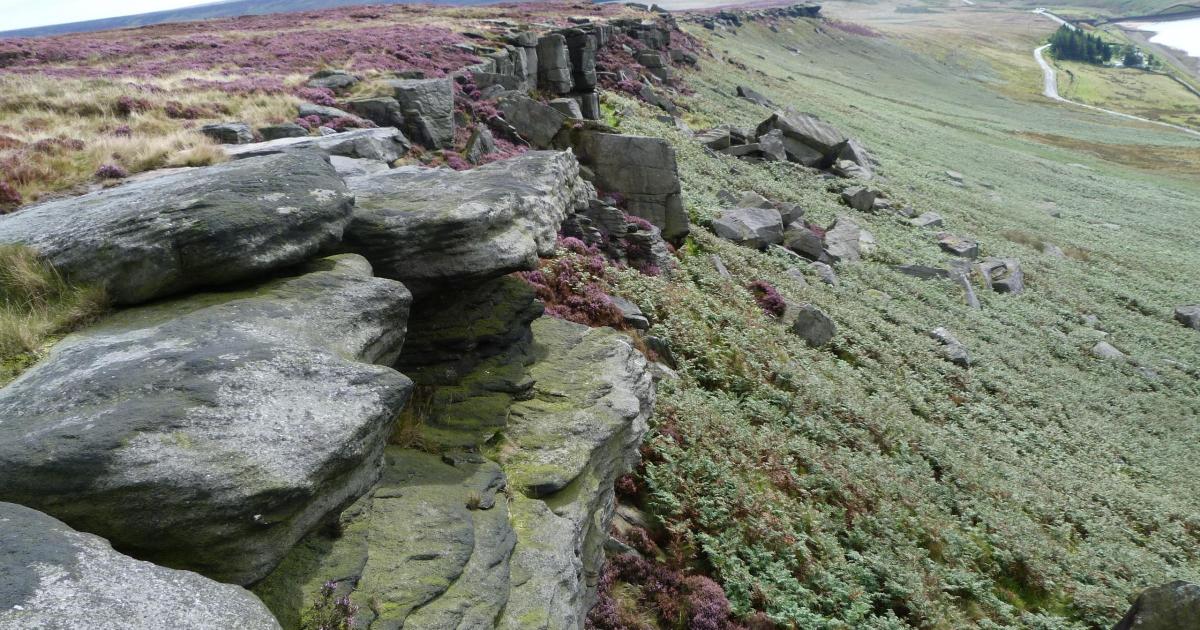
Public consultation on Calderdale Energy Park’s plans to put 34 giant wind turbines on Walshaw Moor, which is located between Hebden Bridge and Haworth, the village associated with the Bronte sisters, runs until June 10.
The company says the turbines will generate enough low-carbon electricity to power 198,000 homes a year.
But campaigners say the moor is not the right place for the huge windfarm.
‘Not the right place to put wind turbines’
Stop Calderdale Wind Farm campaigner Penny Bennett said the campaigners are really supportive of green energy and believe it is important to have wind energy as as part of the transition to green energy across England.
“But this is not the right place to put wind turbines,” she added,
“We shouldn’t be putting them on peat moorland which is a really important habitat for birds.
“These birds have bred here for decades and this is their home – this is where they belong.”
Another campaigner, Jenny Shepherd, said: “They should not go ahead with this project – and they should look for a site on mineral soil, not peatland.”
She said peat takes carbon dioxide out of the atmosphere and dead plants which do not then oxidise, keeping the carbon in the moor: “When that’s damaged, all that work it does to regulate the climate and mitigate climate change, that goes.
“And for a green energy project that’s supposed to be happening to reduce climate change, that makes zero sense.”
What has been said in response?
In response to the concerns, Christian Egal, Calderdale Energy Park’s project director, said: “This project has the potential to make a significant contribution to the UK’s clean energy transition, generating low-carbon electricity for hundreds of thousands of homes while helping to reduce reliance on fossil fuels.
“We fully recognise that people care deeply about Walshaw Moor and that there are strongly held views about how it should be protected and managed, particularly in relation to peatland.
“That is why the proposals are being developed alongside a comprehensive environmental assessment, including detailed surveys of peat, hydrology, habitats and birdlife.
“The design of the scheme is being informed by this evidence, with a clear commitment to avoiding, minimising and mitigating impacts at every stage.
“Importantly, the project also presents opportunities to support the long-term restoration and management of degraded peat areas, helping to improve their condition as functioning carbon stores and habitats.
“Onshore wind is widely recognised as one of the lowest-carbon forms of electricity generation and will play a critical role in tackling climate change – itself the single greatest threat to our natural environment.
“We continue to engage with local communities, stakeholders and statutory consultees as the plans evolve, and all feedback will be carefully considered as part of the planning process.”
Energy Secretary Ed Miliband will ultimately decide whether or not this controversial application is given the green light.















Leave a comment