
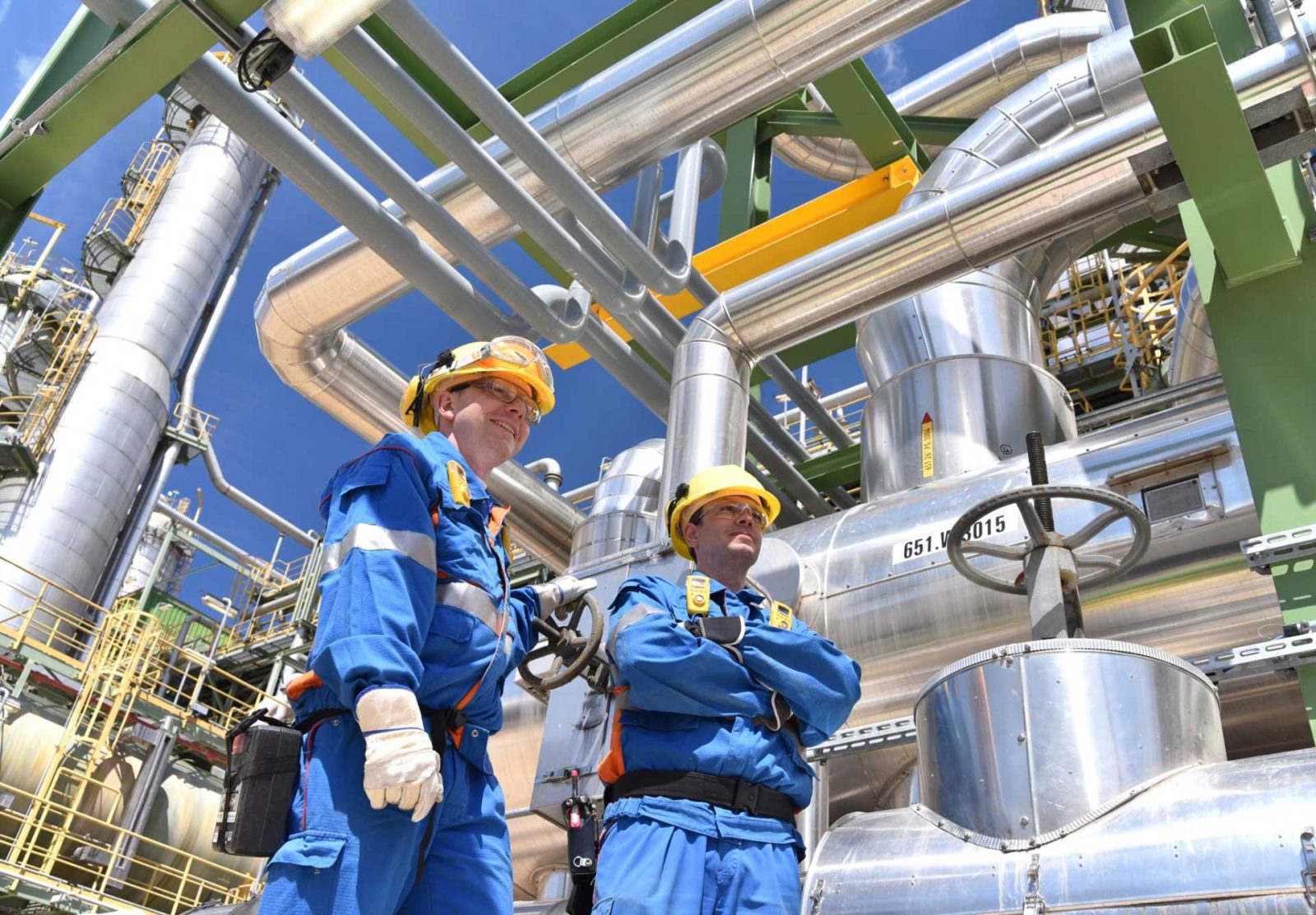
Across the chemical industry and UK manufacturing, there are people who have dedicated their entire working lives to making, moving and supplying the materials that keep the country running. As the leader of a chemical SME working as both a distributor and contract toll manufacturer, Philippa Glover, Managing Director Rakem Group, knows that this work is about far more than products and processes. It supports skilled jobs, families and local communities and that’s why businesses like Rakem care so deeply about the future of British industry.
So, when the chairman of INEOS, one of the world’s largest chemical producers, blasted the UK government over high energy prices and carbon taxes after the shutdown of Grangemouth’s ethanol plant, it certainly struck such a chord.
Sir Jim Ratcliffe said we were “…witnessing the extinction of one of our major industries as chemical manufacturing has the life squeezed out of it” thanks to the “deindustrialisation of Britain”.
While achieving nothing for net zero or the environment, he said deindustrialisation merely shifts production and carbon emission elsewhere, with the UK and particularly the North in desperate need of manufacturing jobs.
This is something reiterated by the Chemical Industry Association (CIA) this year which said the chemical industry is in the “fight of its life” with a 60% decline in British chemical output over the last year.
So, it’s no surprise that a recent national media article on rapid deindustrialisation threatening the economy and leaving Britain reliant on imports has already attracted hundreds of comments.
Britain without chemicals would be a society without modern healthcare, safe water, efficient food production, homes, cars or advanced technologies. The chemical industry isn’t a ‘nice to have’ it’s essential infrastructure; a foundational industry that enables all others.
Philippa Glover, Managing Director, Rakem Group
And that’s not only because those in the chemical industry are desperately passionate about the future of the sector, it’s because chemicals are embedded in everyday life, underpinning every sector, from hospitals, transport and energy systems to farms, homes, schools and workplaces.
Even ordinary things like clothing, packaging and paint rely on chemistry to be safe, durable and affordable. They truly are a ‘foundational industry’ yet they’re often invisible, only noticed when things go wrong, yet quietly forming the foundations of modern life.
Any changes to the chemical sector threaten the 95% of all manufactured goods that rely on them – that’s almost everything. With the CIA reporting the loss of 25 chemical plants in the last five years the UK no longer has any production or at best limited production of 11 basic, vital chemicals including ammonia, ethanol, methanol and sulphuric acid.
With Tata Chemical closing its soda ash plant in Lostock last year, Britain was left with a smaller supply of sodium carbonate, a key ingredient used in the manufacture of glass, paper, detergents and to treat drinking water.
And with such a strong interdependence within the chemical industry, every closure makes the sector more inefficient, and vital links in the manufacturing supply chain are lost. This isn’t an abstract policy debate for the chemicals sector, it’s about whether British industry keeps the capability, confidence and skills to make things here.
While there are opportunities for chemical suppliers like Rakem to import chemicals from around the world – the UK-US trade deal for example having paved the way for cheaper ethanol imports – the loss of basic raw materials coupled with high energy costs which are four times higher for UK manufacturers than in the US, has made Britain increasingly reliant on imports. For businesses like Rakem, that creates a constant tension. The company can keep product moving, but every extra dependency means less resilience, less control and more vulnerability for the customers and sectors that depend on Rakem.
It was only after the war in the Middle East that this reliance on global, volatile supply chains became visible, as the availability of CO2, a biproduct of ethanol production, needed for everything from drinks and food packaging and production to pharmaceuticals became threatened. Moments like that are a stark reminder that supply chains are not just commercial systems, they underpin daily life, public health and business continuity, and when one weak link fails the consequences are felt far beyond our sector.
Media stories sparked the UK government to invest £100m in March in Ensus’ bioethanol plant in Teesside, mothballed due to high energy costs and cheaper imports. And the UK government has, and plans to, through the Energy Intensive Industries (EII) scheme and the British Industrial Competitiveness Scheme (BICS) offer relief from net zero levies and high energy prices for some manufacturers.
Yet despite accounting for the greatest sector spend on R&D, uncertainty has meant capital spend has fallen 81% among Europe’s chemical producers meaning the long-term future of the UK’s remaining plants looks increasingly short-lived.
If we want a strong, secure and sustainable economy, we have to value and provide long-term support to the suppliers and manufacturers who develop, formulate and responsibly distribute chemical products, because their role is quiet, essential, and impossible to replace when it is gone.
Philippa Glover, Managing Director, Rakem Group
Another closely linked phrase ‘decarbonisation through deindustrialisation’ has similarly become a major talking point within the chemical sector with the CIA explicitly linking emissions drops to plant closures and reduced output rather than successful industrial decarbonisation.
Steve Elliott, CIA Chief Executive said the UK had seen close to a 40% fall in chemical production between 2021 and 2024, mirroring a similar fall in sector carbon emissions.
Yet across industries, renewable technologies, battery storage and emissions reductions are reliant on advanced chemicals. Efforts to reduce environmental impact rely heavily on chemicals, water-based formulations replacing solvent-heavy products, biodegradable materials and more efficient manufacturing processes.
Britain without chemicals would be a society without modern healthcare, safe water, efficient food production, homes, cars or advanced technologies. The chemical industry isn’t a ‘nice to have’ it’s essential infrastructure; a foundational industry that enables all others.
We need to recognise its value and the realities of what a reliance on imports might mean. And how global events, politics or climate change might mean we won’t even have the chemicals to clean our own drinking water.
That is without recognising the people behind the ‘chemical industry’ and the 250,000 active manufacturing businesses in the UK. We know it’s far more than just plants, processes and pricing. It’s about people with deep technical knowledge, practical skills and enormous pride in what they do. The people who keep production lines running, solve problems under pressure and quietly hold together the industries that the rest of the country depends on.
This matters because once capability is lost, it is incredibly hard to rebuild. When chemical manufacturing is allowed to shrink, we don’t just lose output, we lose expertise, opportunity, resilience and the chance for the next generation to build meaningful careers in industry that support families and communities to thrive.
If we want a strong, secure and sustainable economy, we have to value and provide long-term support to the suppliers and manufacturers who develop, formulate and responsibly distribute chemical products, because their role is quiet, essential, and impossible to replace when it is gone.
For more stories like this visit our Leadership channel
















Leave a comment