
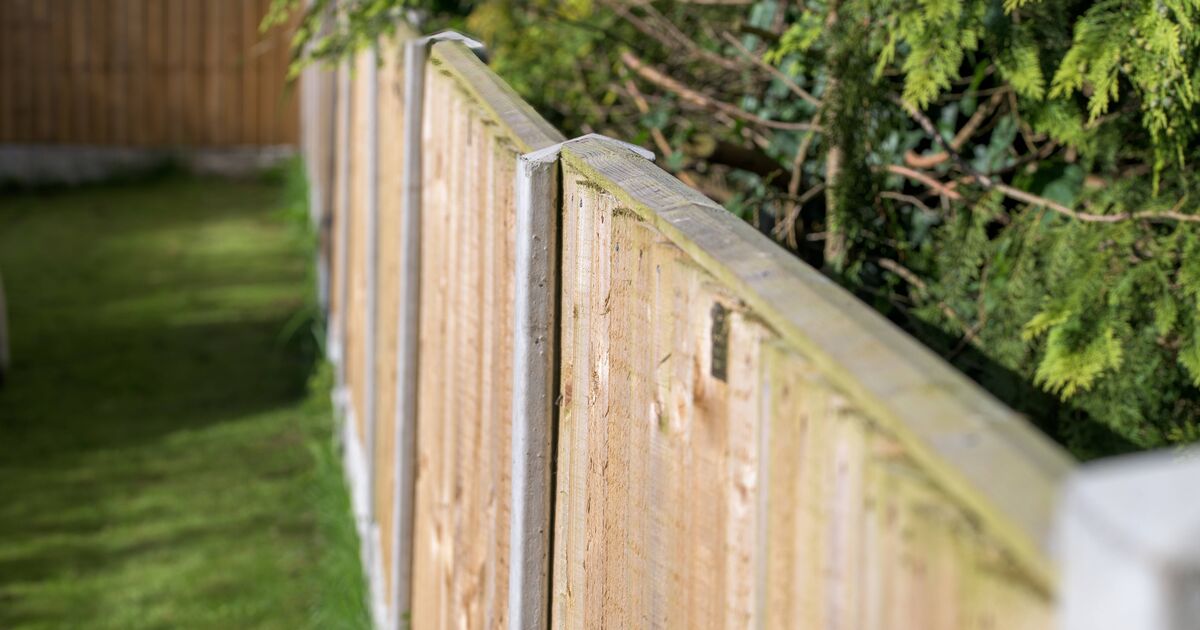

It’s best to check (Image: Leonora Oates via Getty Images)
As milder temperatures arrive and garden endeavours intensify, millions of property owners throughout the UK could be modifying the incorrect fence, potentially triggering disputes and even legal complications. Fresh research from Compare the Market has revealed that 40% of homeowners remain uncertain about which boundary fence belongs to them, underlining widespread confusion surrounding ownership and shared boundaries.
Much of the uncertainty appears to arise from widespread misconceptions. A quarter (25%) believed ownership could be established by which direction the fence panels face, while nearly one in five (18%) depended on the positioning of the fence posts.
Enquiries regarding boundaries typically surge during spring, with searches for “which side of the fence is mine” reaching their highest levels between March and May, according to the expert. For certain homeowners, it can escalate beyond a simple pre-garden maintenance question, with almost one in ten (9%) having experienced a dispute over boundaries or shared access, and a further 11% reporting damage caused by a neighbour, due to incidents such as DIY accidents or fallen trees.
The data revealed that 7% of homeowners stated they had lodged a claim against another party for damage to their property, while an identical proportion had experienced a claim filed against them. This demonstrates how boundary confusion could result in legal difficulties, Compare the Market stated.
Helen Phipps, home insurance expert at Compare the Market, said: “It’s clear many homeowners are not completely sure which boundaries they are responsible for, which can make things tricky when giving the garden a seasonal refresh. Something as simple as painting a fence, hanging planters or fixing a panel could cause issues if it turns out to belong to a neighbour, especially if it leads to damage or disagreement.

It’s not always obvious (Image: Barbara Eddowes via Getty Images)
“Before picking up a paintbrush or starting any outdoor updates, it’s worth taking a few minutes to check your title deeds or Land Registry plan, so you know where you stand. It can also be helpful to review your home insurance policy, as cover for fences can vary depending on how the damage happened and the terms of your policy.”
How to verify which fence belongs to you and prevent disputes
Consult your title plan or deeds initially – A Land Registry title plan or your original title deeds may assist in showing who bears responsibility for a boundary, occasionally through markings such as ‘T’ marks. An ‘H’ mark can signify shared responsibility.
Review your property purchase documentation – The paperwork you obtained when you acquired your property may contain valuable information about boundaries, shared structures or fence responsibility. This can prove useful before painting, repairing or decorating a fence.
Responsibility isn’t always clear-cut – There is no hard and fast rule that the fence to the left or right automatically belongs to you. Fence panels, posts or the “good side” can occasionally provide a hint, but these are far from definitive, so it is wise not to rely solely on assumptions.
Talk to your neighbour and keep a record – Before painting, repairing or replacing a fence, it is advisable to have a conversation with your neighbour first. Should you reach any agreement, such as who will repair, replace or maintain it, keep a written record to help prevent future disputes, particularly where ownership remains unclear.
Seek expert advice where necessary – If you are uncertain who is responsible for a boundary, or a disagreement has already arisen, it may be worthwhile consulting a professional. A property solicitor or surveyor can help shed light on the situation before any work is carried out.
Check your insurance if repairs are required – Should a fence have been damaged, review your buildings insurance policy before organising any repairs. Fences and gates may be covered under certain circumstances, such as fire or vandalism, however storm or extreme-weather damage is frequently excluded, so always scrutinise the policy wording carefully.
The data was from nationally representative surveys of 2,000 UK adults conducted by Censuswide on behalf of Compare the Market between January 1 and 22 and March 25 and 30, 2026.















Leave a comment