
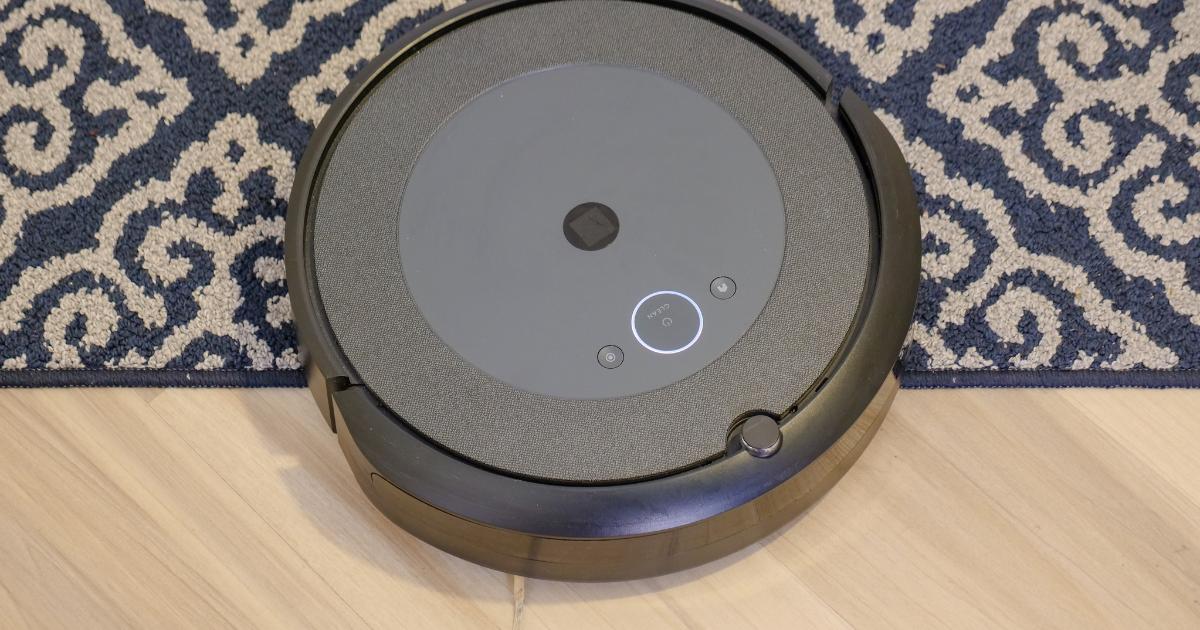
The local authority has already spent a significant sum of money on similar equipment – referred to as cobotics or collaborative robotics – in the form of eight scrubber dryers.
After their “successful introduction” last year, it has turned its attention to the deployment of vacuum technology which it believes can assist with cleaning in the learning estate.
A brief update on the subject has been included in a facilities and property services report which will go before the council’s finance, resources and customer services policy board on Thursday.
It explained: “Building on the successful introduction of eight cobotics scrubber dryers, the service has continued to invest in innovative cleaning solutions through the deployment of cobotics vacuum technology.
“Seven mobile racks, each containing six autonomous vacuum units, have been introduced across secondary schools to support cleaning delivery.”
In June 2024, the local authority came under fire from Councillor Eddie Devine for trialling the operation of cobotics in school buildings.
The Paisley Southeast politician was concerned the machines could be used as an excuse to “get rid” of jobs.
However, the council said they would instead allow employees to “focus on other areas”.
At the time, Councillor Devine claimed: “This idea is basically to cut costs and then at some point cut workers.
“They just want to replace human workers, it’s a cost-cutting exercise. These things are always the same.”
In the report, which will be considered by elected members this week, the local authority has said the robots will “support productivity” and provide extra resilience during times of staff absence or recruitment pressures.
It added: “These cobotics vacuums are designed to assist rather than replace staff by undertaking repetitive, labour-intensive floor cleaning, enabling cleaners to focus on quality-critical tasks such as sanitary areas and high-touch surfaces.
“This approach supports productivity, staff wellbeing and consistent service standards, while the mobility of the equipment allows redeployment to feeder schools to provide additional resilience during periods of staff absence or recruitment pressures.”















Leave a comment