
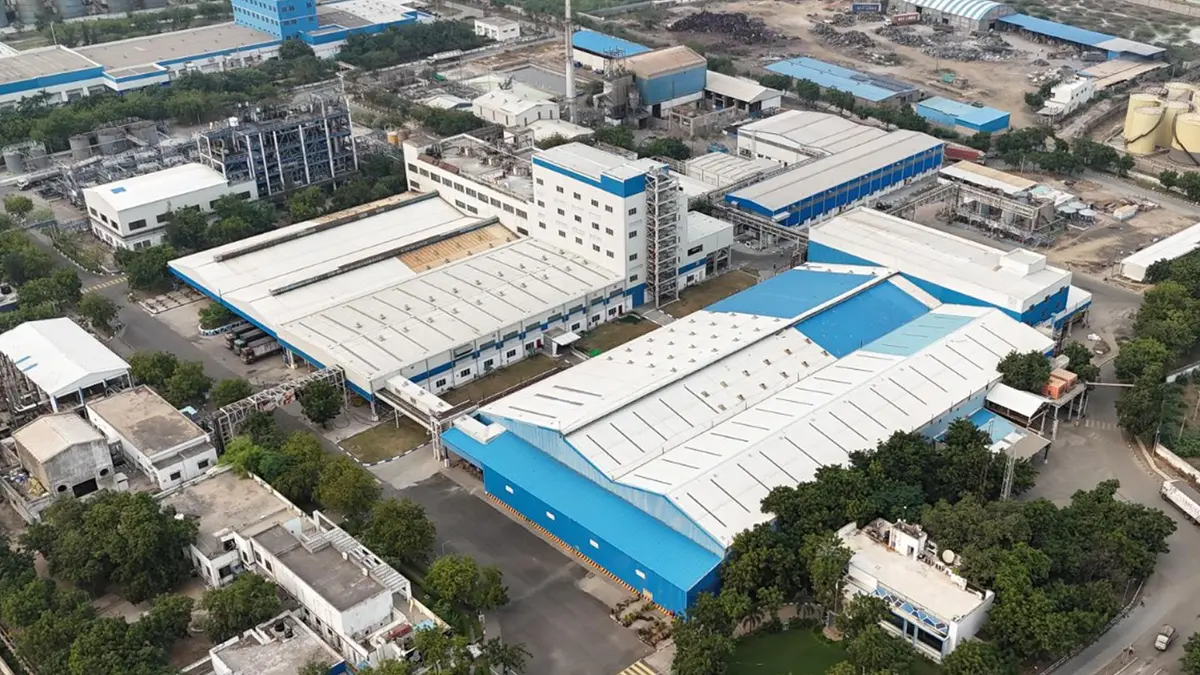
Unilever is expanding the use of AI-powered digital twins across its global manufacturing network through a new multi-year partnership with Accenture.
The consumer goods giant said the technology will help its factories improve product quality, increase efficiency and respond more quickly to changing consumer demand.
Digital twins are virtual models of factory equipment and production lines, using live data from machinery and shopfloor systems to monitor, predict and improve performance.
Unilever said the next stage of the programme will combine digital twins with AI insights and agentic capabilities, giving manufacturing teams tools to spot issues earlier, test scenarios faster and make more informed decisions during production.
The company already uses digital twins across parts of its manufacturing network and plans to build more than 40 new models over the next 18 months as it creates a blueprint for wider global rollout.
Unilever global vice president for digital business operations Adam Raeburn-James said scaling AI across the group’s operations was not only a technology shift, but part of its focus on better products, sustainability and supporting factory teams.
“Through our partnership with Accenture to accelerate digital twins, we are turning innovation into measurable impact to create desirable brands for our 3.7 billion consumers worldwide,” he said.
Accenture is supporting Unilever with industrial AI capabilities that use advanced analytics and AI agents to predict maintenance needs, improve performance and help teams act faster.
The system is designed to learn over time and, with human oversight, progressively take on some production adjustments automatically as employees gain confidence in its accuracy.
Unilever said digital twins are already delivering results across a number of its factory sites.
At its Raeford site in North Carolina, which produces brands including Dove, Degree and Axe, a digital twin used in deodorant stick manufacturing predicts 95 per cent of process flow restrictions, cutting waste by 20 per cent and increasing capacity by 10 per cent.
In Poznan, Poland, where Unilever makes brands including Knorr and Hellmann’s, a digital twin has helped stabilise viscosity variation in mayonnaise while reducing minor stoppages by up to 20 per cent and cutting waste by nearly 30 per cent.
At Gandhidham in India, one of Unilever’s largest personal care sites in South Asia, a digital twin has helped reduce quality defects in Dove soap by 30 per cent over four years through real-time control recommendations.
The technology is also being used at Unilever’s Haldia site in India to reduce energy consumption in powder detergent production, while its Cu Chi facility in Vietnam is using an AI-powered mixer to optimise raw material dosing for liquid home care products including OMO laundry detergent.
Accenture Netherlands and Nordics chief executive and global account lead for Unilever Nicole van Det said the expansion reflected Unilever’s continued focus on pairing advanced technology with strong process design and shopfloor execution.
The partnership builds on Unilever’s wider push to apply AI across its business operations, including work through its AI Horizon3 Lab in Toronto, which is focused on identifying and testing new AI solutions.
Click here to sign up to Retail Gazette‘s free daily email newsletter















Leave a comment