
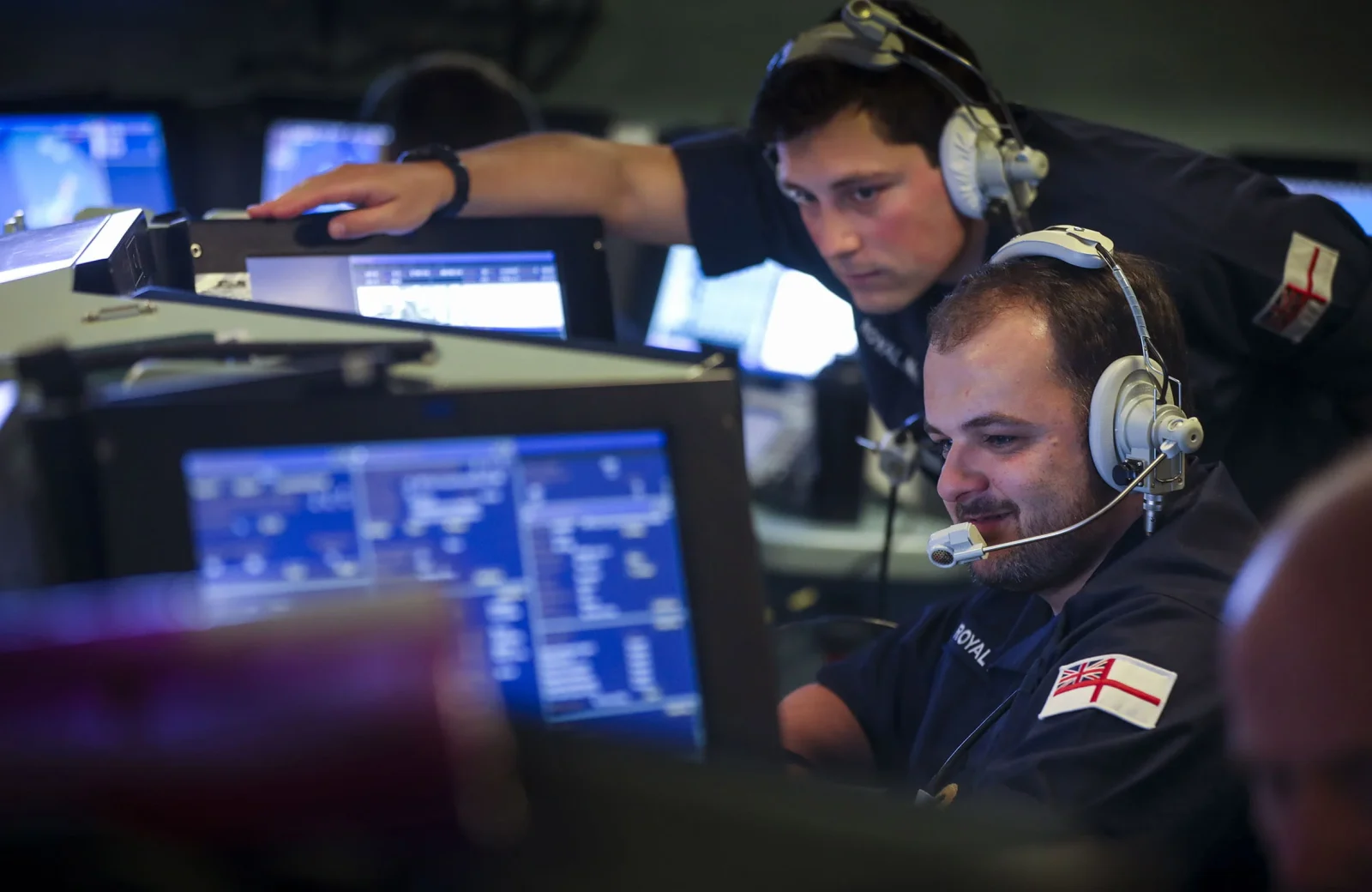
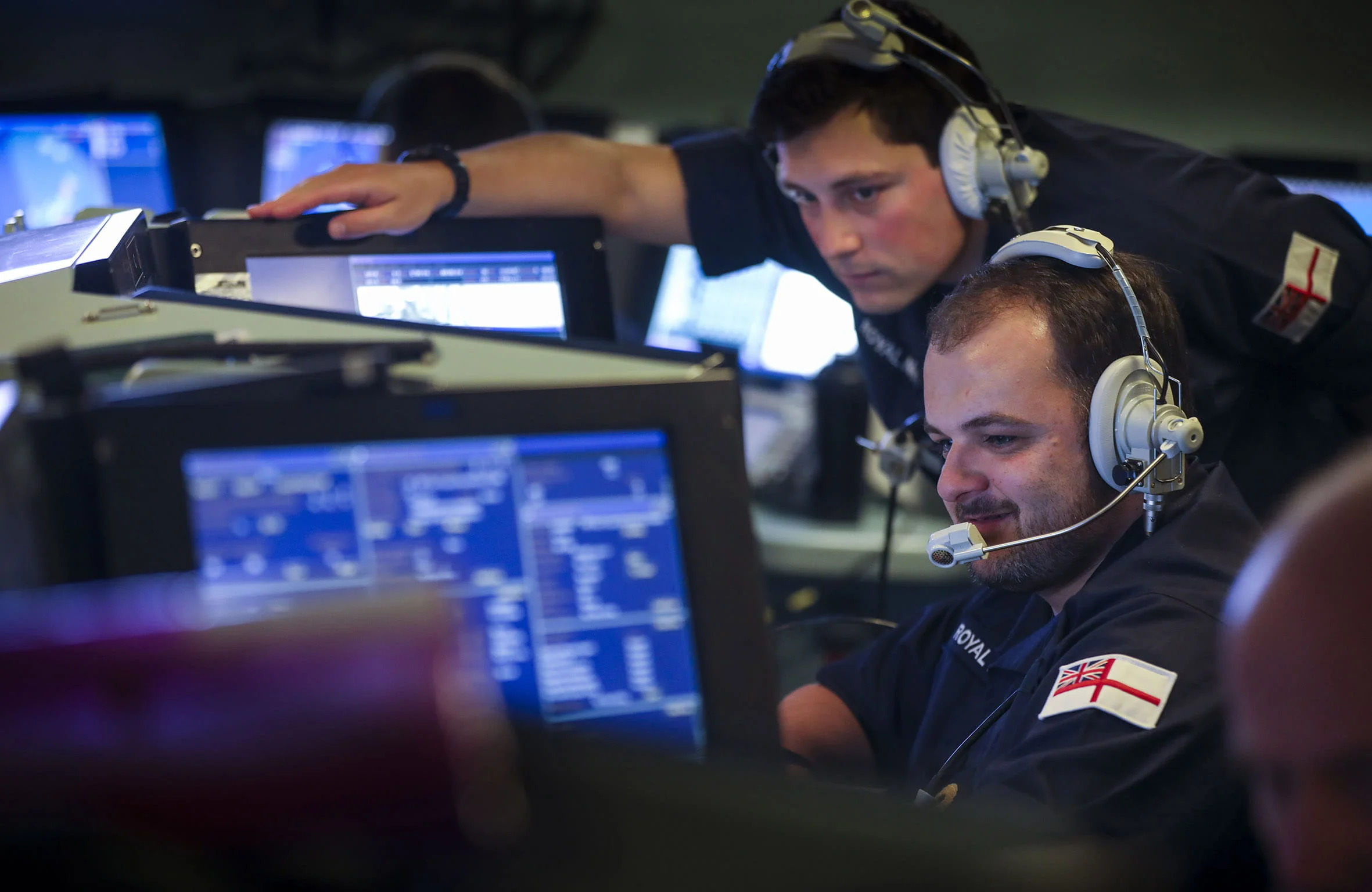
Artificial intelligence is no longer being treated as a future add-on to UK defence. In the UK’s Defence Investment Plan, it becomes part of the infrastructure needed to help the Armed Forces act faster and turn new technology into operational advantage.
The plan, published on 30 June, is backed by £298 billion over four years and is intended to turn the Strategic Defence Review into funded programmes. While the largest spending lines remain in areas such as nuclear, combat air, munitions and infrastructure, AI runs through the plan as an enabling technology.
The government is not simply buying AI products. It is trying to build a more connected force, in which software, data, sensors, autonomous systems and commanders are linked more closely together. Underpinning that is a £1.8 billion uplift in funding for the new Digital Targeting Web, taking the investment to almost £2 billion.
The aim is to reduce the time between identifying a target and acting on it. In modern conflict, that speed can matter as much as the platform or weapon itself.
AI is becoming the connective tissue of defence
The Defence Investment Plan points to a shift in how military capability is being understood.
Traditionally, defence investment has involved platforms: aircraft, ships, armoured vehicles, weapons and infrastructure. While those are still important, the DIP makes clear that future advantage will increasingly depend on how those systems are connected and how quickly information can be turned into decisions.
In that role, AI is not intended as a replacement for people or platforms, but as a way to help the force detect, prioritise, target, defend and operate at greater speed.
The DIP includes several commitments where AI is either the main focus or an important enabling technology.
| AI-related investment | Commitment | What it is intended to support |
|---|---|---|
| Digital Targeting Web | Nearly £2bn | AI-enabled integration of sensors, commanders and weapons |
| Defence AI taskforce / RAID | £100m | Faster deployment of AI-enabled capabilities |
| AI threat protection | £115m | Protection against AI-enabled threats, including biosecurity risks and autonomous AI agents |
| Procurement and efficiency reform | £900m | Includes AI productivity, workforce transformation and the Multilateral Defence Mechanism |
| Drones and autonomous systems | More than £5bn | Wider adoption of uncrewed and autonomous capability across the Armed Forces |
The Digital Targeting Web is designed to connect platforms and systems that have often been developed separately, allowing information to move more quickly between sensors, commanders and weapons.
But it sits within a wider digital transformation. The DIP also points to major investment in the Digital Backbone, the underlying infrastructure needed to share data, connect systems and make AI usable across defence. Without that backbone, AI-enabled targeting, autonomy and faster decision-making will remain harder to deliver at scale.
For UK industry, that creates opportunities beyond traditional defence manufacturing. It points to demand for things like secure software, systems integration and the tools needed to test and trust AI in operational settings.
Autonomy, drones and AI are now linked
The plan also shows how closely AI is becoming tied to drones and autonomous systems.
More than £5 billion has been allocated to drones and autonomous systems over the next four years. Within that, £650 million will fund lower-cost expendable autonomous systems, including drones and uncrewed ground vehicles, for the Army, Commando Force and Special Forces.
The investment is not limited to land systems. The government also links the package to strike and surveillance drones, collaborative combat aircraft and a hybrid Royal Navy built around crewed and uncrewed vessels.

This is where AI becomes operationally important. Rather than acting as a standalone capability, it can help turn drones, sensors and crewed platforms into a more connected force.
In maritime operations, that could mean helping uncrewed vessels operate with greater independence when communications are degraded. In airpower, it could help crewed and uncrewed aircraft share data and operate as part of a wider combat system.
The same logic applies to homeland defence. The plan includes £790 million to strengthen protection against air, drone and missile threats, with investment focused on the systems needed to detect, decide and respond faster. AI will be essential to making sense of sensor data quickly enough to counter fast-moving threats.
The challenge is trust, integration and delivery
The Defence Investment Plan also recognises that AI creates risk as well as opportunity.
Alongside investment in AI-enabled capability, the government has committed £115 million to strengthen the UK’s defences against AI-related threats. That includes risks linked to autonomous AI agents and the use of AI to improve biosecurity.
Defence AI will need to be trusted, tested and assured. Systems that support targeting, autonomy or command decisions cannot be treated like ordinary commercial software. They will need clear rules on human oversight, reliability, security, accountability and performance in hostile environments.
That creates a different kind of industrial opportunity. The UK will need companies that can build AI systems, but also companies that can test, certify, secure and integrate them.
The £100 million Defence AI taskforce is intended to accelerate deployment, but speed will need to be balanced with confidence. The danger is not only that the MoD moves too slowly, but also that poorly integrated AI creates systems that are impressive in trials but fragile in real operations.
For suppliers, the message is clear. AI is becoming part of the defence infrastructure, not a niche technology category. The opportunity will not only sit with specialist AI companies. It will also involve primes, SMEs, software firms, cyber companies, sensor manufacturers, systems integrators and training providers.
The Defence Investment Plan gives AI a central role in the future force. The test now is whether the UK can move from ambition to usable, trusted capability quickly enough to keep pace with the threats it is trying to counter.














Leave a comment