
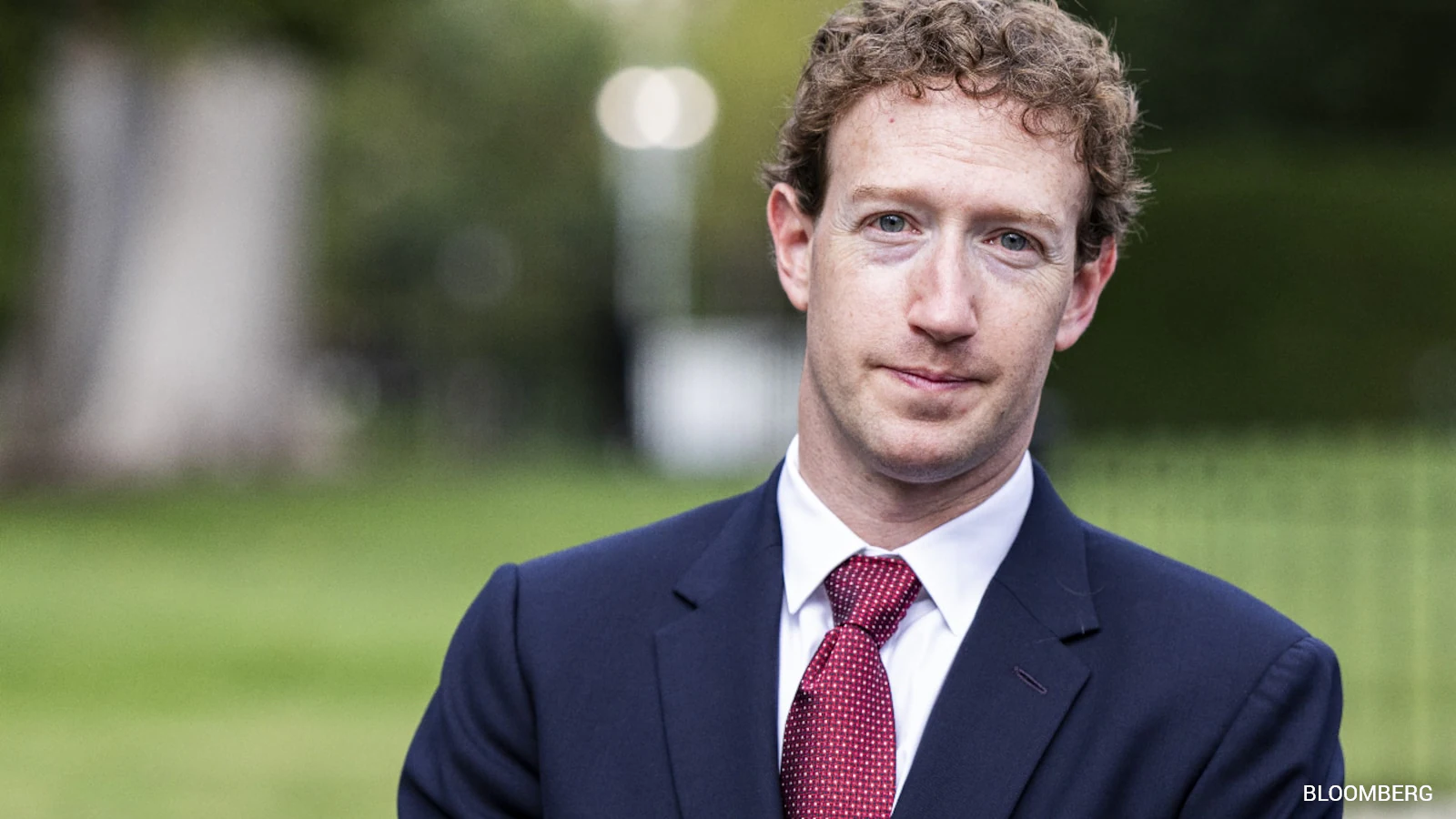
Chief Executive Officer Mark Zuckerberg said Meta Platforms Inc. had to commit to spending hundreds of billions of dollars last year on the infrastructure needed to power its artificial intelligence products before the company had any idea as to whether they would succeed.
“We’re going to write this check for like, I don’t know, $100 billion or $200 billion,” Zuckerberg said on the Cheeky Pint podcast posted Monday. “You sure this is going to work?” he recalled asking Chief AI Officer Alexandr Wang.
It’s a revealing disclosure for a company that has struggled to persuade investors to accept its ballooning expenses for ambitious AI bets. Zuckerberg has repeatedly said these bets will pay off, but shareholders are growing increasingly antsy over Meta’s ability to bring in sales and profit at a fast enough pace.
Over the course of the two-hour-plus podcast with host John Collison, Zuckerberg and Wang revealed that Meta’s Chief Financial Officer Susan Li warned on multiple occasions that the cost of failure would be enormous. “I think Susan scared you a little bit,” Zuckerberg said.
“The joke every time we talked about it would just be like, ‘Yeah, and we hope it’s all going to work and be good,'” Wang recalled. Short of giving a “vibe report” on where the team was headed, he could not guarantee success despite the “obscenely large” amount of money the company was investing. It was “not clear at all that it was going to work.”
On Monday, Meta debuted a long-awaited new AI model that it said is a big leap over its own predecessors, with “frontier capabilities” that its leadership said put it on par with OpenAI’s ChatGPT and Anthropic PBC’s Claude when it comes to coding, or working through financial or legal questions. The milestone will test whether Zuckerberg’s multibillion-dollar push to rebuild its AI team has improved the technology enough to compete among leaders.
Meta also recently launched Muse, its personalized AI assistant designed to automate a range of tasks for consumers, including shopping, buying movie tickets and scheduling appointments. Zuckerberg admitted he wasn’t sure what the consumer reaction would be like to Muse.
“Our median expectation was like, ‘All right, we’re probably going to have to iterate on this a bit,'” he said.
The company is spending hundreds of billions of dollars to compete against American tech rivals, including Alphabet Inc., OpenAI and Anthropic, in a race to develop leading AI models and products. It is one of the tech industry’s heaviest spenders when it comes to AI data centers.
Next week, investors will get another look at the company’s financials when it reports results after the market closes on October 21. Last quarter, Meta reported its lowest free cash flow in years – a sign of its compounding expenses on data centers and smart glasses – sending shares down 8%.
The stock is up more than 12% so far this year through Monday’s close.
(Except for the headline, this story has not been edited by NDTV staff and is published from a syndicated feed.)













Leave a comment