
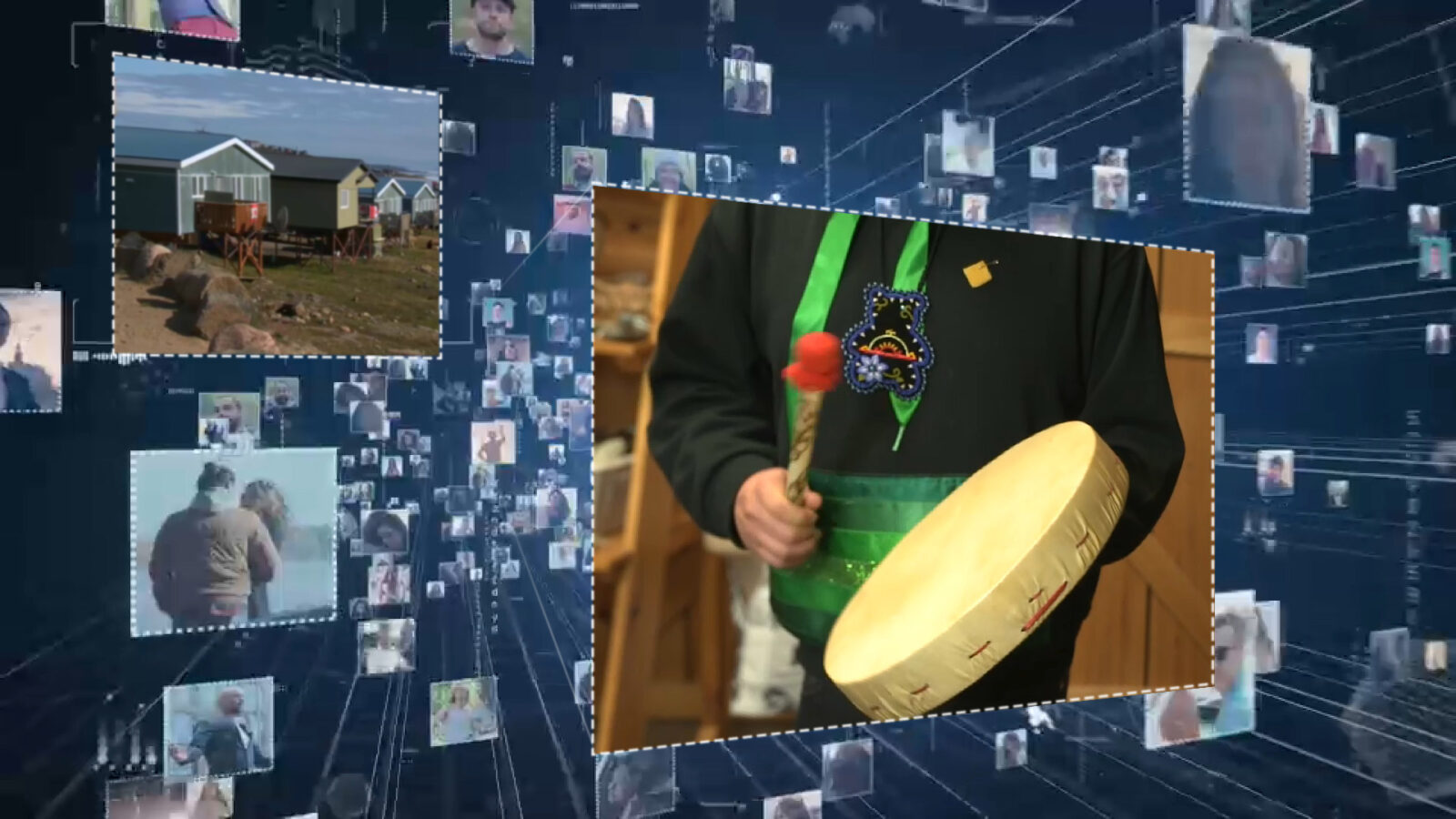
Concerns about AI safety and its impact on the information environment, including its use to spread disinformation, have intensified in recent months including within the Indigenous community in Canada. A report on First Nations and Artificial Intelligence underscores the risk of increased “algorithmic discrimination” from AI. Community elders fear traditional teachings passed down through generations will be lost or mis-represented with AI impacting future generations.
The Indigenous youth demographic is growing. The 2021 Census identified 1.8 million people as Indigenous which is an increase of 9.4 per cent from 2016. People ages 15 to 24 make up the largest proportion of that population, and like their cohorts across the country, those who can are increasingly engaging online for news and information. A trend that is concerning for their elders.
My granddaughter is, 14. My grandson is 14. They are constantly on their phones,said Larry Sault, Councillor Mississaugas of the Credit Frist Nation.I have to tell them when if visiting us, please put your phone down, let’s interact a little bit. AI is the information that they’re taking in as young folks and whether that’s accurate or whether it isn’t, that’s what’s really concerning for me.
Vulnerable, diaspora and Indigenous communities are subject to increasing disinformation. Add to this the biases and negative stereotypes which Indigenous leaders say is built into large language model AI systems, and the result is concern that unless Indigenous people control their data sovereignty-oversee and manage data collected about their communities-they will face increased online harms.
I think we need to ensure that there are safety measures in place to not perpetuate negative stereotypes and racism, but rather to protect the integrity of Indigenous peoples’ lives, and in particular, the Indigenous women who are at the greatest risk of violence,Josie Nepinak, President of the Native Women’s Association told CPAC.
Evan Solomon, Minister for Artificial Intelligence and Digital Innovation says that his government consulted with Indigenous leaders and national chiefs as they developed their AI strategy and that includes data sovereignty for all.
We’ve always said from the outset, we’ve got to be open to the opportunities that AI will provide communities, remote Indigenous communities,Solomon said.(W) e’ve also got to be candid about the real concerns…we are investing very carefully in, Indigenous communities—it’s a key element of our strategy.
Also, part of that strategy is for Canada to build and own its own technology tools which includes controlling its own data. Being able to manage, control and protect data collected on Indigenous people is key for them as the government implements its AI strategy. This sovereignty would help protect Indigenous peoples and give them control over their online identity. That identify, Indigenous people say, is being falsified by AI and then spread as disinformation.
When the algorithms get put in place, they’re not considering our culture it’s not considering our languages, it’s not considering our past, it’s not considering our health of our people,said Carmen Jones, Director of Research and Data Management for the Chiefs of Ontario.I’m very afraid about our culture, our ceremonies that people put online. They take it and then they use AI to interpret it, which may not be correct…They could be taking in other cultures and integrating it because it’s not clear that the information that is put into the AI systems are real.
That fear in part comes from decades of distrust over how the government and others have collected and used Indigenous data says Wendy Wong, professor of political science and Principal’s Chair at UBC Okanagan. Wong is a human rights, AI and data researcher.
Indigenous groups have experienced historical, for lack of a better way to think about it, unfettered collection of data about them. They’ve been subject to that … without consent or despite consent,Wong said.
Brian Ritchie, a member of the Chapleau Cree First Nation, understands that distrust. As Founder and CEO of kama.ai, an AI platform which suited for small and medium sized markets, Ritche says that unlike large language AI models, kamai.ai takes information and curates it within a language graph. For Indigenous communities, he says, AI uses the words and stories from traditional teachings which are never mixed or merged with other material.
What, we want to do is you know, put the right tools into the hands of the people who can use the tools correctly, and be able to learn their culture, their heritage, their language, you know, in ways that is assisted by technology,Ritchie said.
While Ritchie’s AI tool addresses potential biases and disinformation from AI, there are Indigenous elders who believe their stories and traditional teachers should be passed down orally, not through technology. As more Indigenous youth turn to the internet for news and information, leaders believe protections for their communities from disinformation and their teachings from distortion, is paramount.
CPAC will air an eight-part series on Our Information Ecosystem over the coming months. Part Three, Indigenous Communities in the Age of AI and Disinformation airs on November 14 at 6:30pm ET and November 15 at 5:30pm ET and 9:30 pm ET.
See it on CPAC.

This project has been made possible in part by the Government of Canada.














Leave a comment