
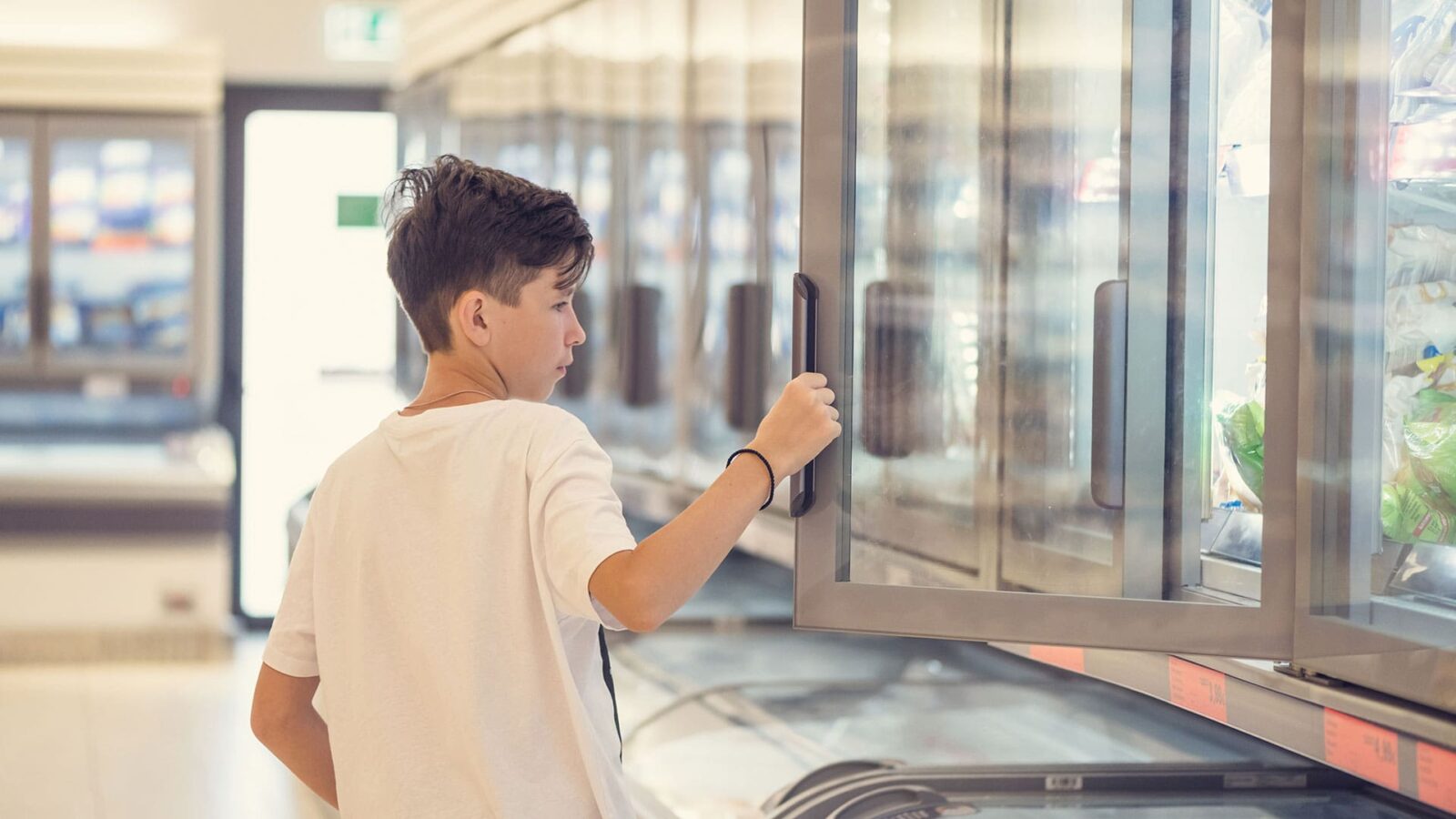
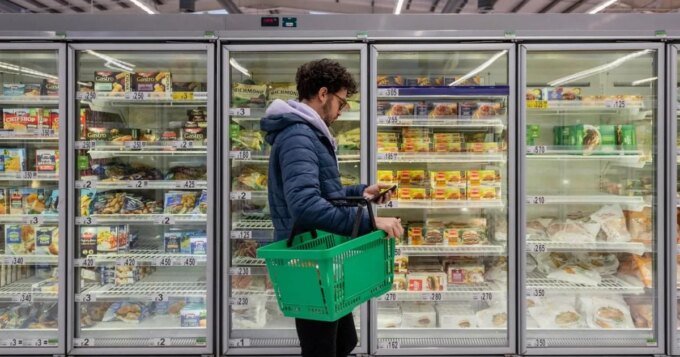
Tens of thousands of fridges and freezers at UK supermarkets, warehouses, restaurants, petrol stations and stadiums have been secured against hackers in a behind-the-scenes cyber-security operation, the BBC has reported.
The work followed the discovery in late October of a major flaw affecting commercial refrigeration in the UK. Since then, researchers, IT teams and the National Cyber Security Centre (NCSC) have been working around the clock to warn dozens of companies, according to the BBC.
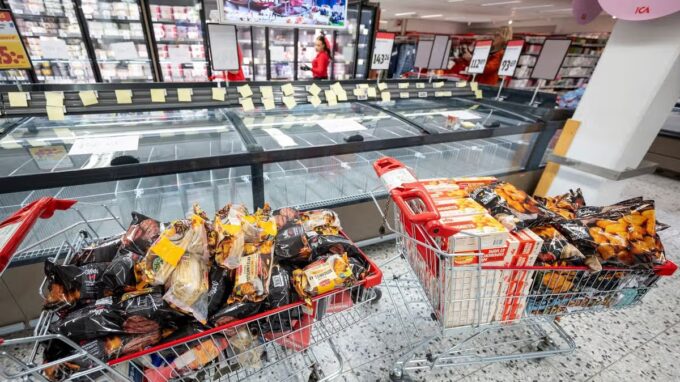
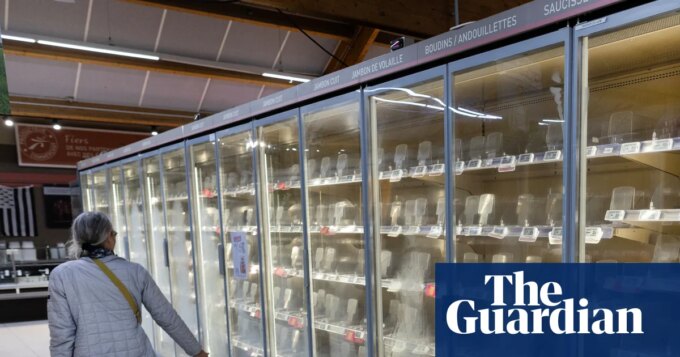
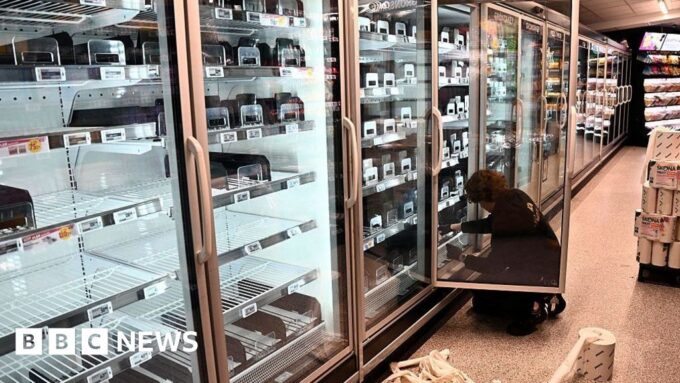
The operation comes after waves of cyber-attacks in Europe in which tonnes of food were spoiled at hundreds of stores, causing millions of pounds of damage.
The threat was discovered by staff at refrigeration consultants Omega Solutions. It was then verified and expanded upon by experts at Pen Test Partners, who helped raise the alarm.
It had been thought that the UK had largely escaped such hacks, as the British refrigeration industry relies on different devices. The BBC reported that there was in fact a potential vulnerability, which the sector has been rushing to fix, and that the flaw could have led to even worse damage in the UK if hackers had found it.
The NCSC, the Department for Environment, Food & Rural Affairs (Defra) and the Food Standards Agency (FSA) then joined the campaign to plug the security holes. They held industry conference calls and tasked teams to contact firms at risk.
Thousands of devices controlling tens of thousands of refrigeration units were taken off the open internet, either remotely or, in some cases, physically. Staff were ordered to remove internet cables and monitor temperatures manually.
Most major supermarkets have been forced to divert IT teams to address the risks, according to the report. A worker at one large chain, who did not want to be publicly named, said they took hundreds of devices offline every day over the course of a week.
“It did feel like a race against time as we were expecting another wave of these fridge hacks to come,” the worker said.
“From a business perspective it could have been potentially devastating with business interruption and supply chain problems. Our warehouses have millions of pounds worth of food that could have been spoiled if any hackers found out about this method of attack,” they added.
UK grocers have been hit by cyber-attacks before. The Co-op said last year that a cyber-attack on its systems cost it £206m in revenue and £80m in profits.
In France, refrigeration controls at more than 700 supermarket sites were targeted on the night of 11 to 12 October, according to a statement from the French foreign ministry. The ministry said the attacks caused fires and spoiled food estimated to be worth tens of millions of euros.
France attributed the attacks to Shahid Kaveh, an offensive cyber unit it linked to Iran’s Islamic Revolutionary Guard Corps. It said it would summon Iran’s ambassador and propose further EU sanctions against the Iranian entities and individuals involved.
Iran’s Foreign Ministry described the accusations as “baseless and biased”, Al Jazeera reported.
The technology news site BleepingComputer reported that the hackers in France compromised Danfoss refrigeration controllers and changed defrost settings to high temperatures. It said a second wave of attacks in November affected more than 115 stores across six European countries, and that France has attributed only the October attacks to Iran.
In the US, a joint advisory published on 5 November by agencies including the Cybersecurity and Infrastructure Security Agency (CISA) and the FBI warned that attackers were targeting commercial refrigeration controllers in retail grocery and cold storage facilities.
The agencies said unpatched or internet-accessible controllers could be forced into continuous heating and defrost cycles, with possible results including inventory loss and equipment fire hazards. Their recommendations included keeping controller panels off the public internet and protecting any necessary remote access with an updated firewall.

Amy Ingham
Amy Ingham is a reporter at Business Matters, covering UK business news with a focus on breaking news, business policy, late payments and insolvency. She joined the magazine in 2026 after completing the NCTJ Diploma in Journalism at Harlow College’s journalism school. Her recent reporting includes British Steel’s nationalisation and its impact on SME suppliers, the decline in late payments by large firms, and Insolvency Service director disqualifications. Reach her at aingham@cbmeg.co.uk.










Leave a comment