
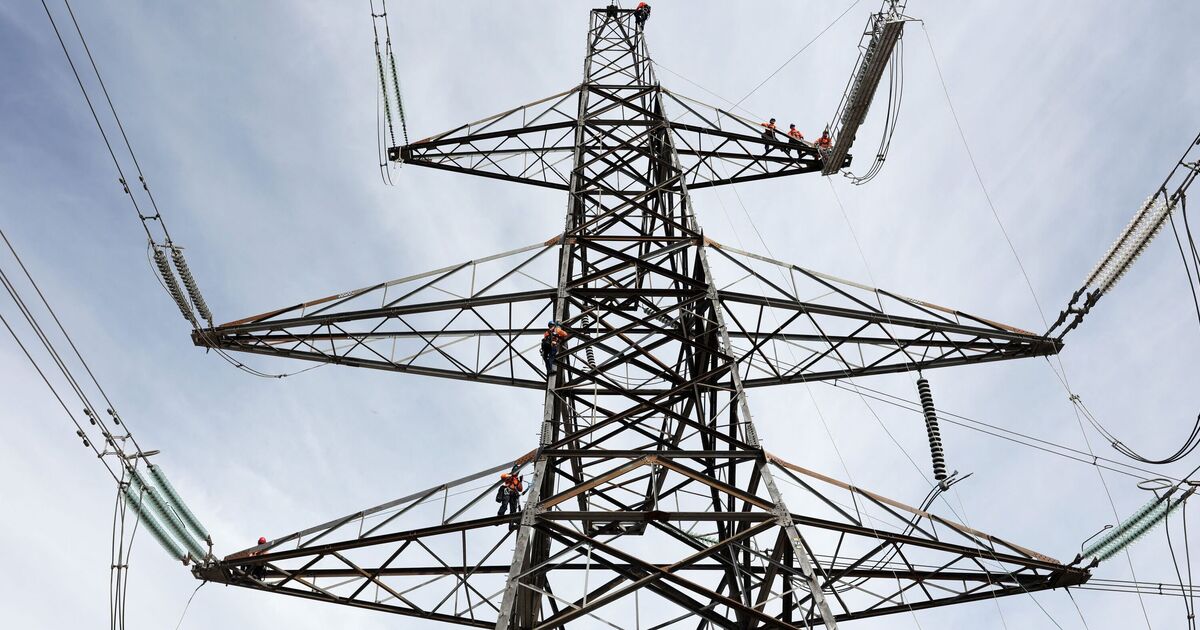
Great Britain’s power grid faces a significant risk of being overwhelmed by a surge in AI-driven data centres, with electricity demands now potentially exceeding the nation’s entire peak consumption. Ofgem, the industry regulator, has warned that approximately 140 proposed data centre schemes could require 50 gigawatts of power—5GW more than the country’s current maximum demand.
This revelation, detailed in a recent consultation on grid connections, highlighted a “surge in demand” for applications between November 2024 and June last year that has surpassed even the most ambitious forecasts. The influx is creating a critical bottleneck as the facilities required to train and operate AI tools like ChatGPT and Gemini compete for resources. Consequently, renewable energy projects are not being connected to the grid fast enough to meet the government’s 2030 clean energy targets.
Ofgem cautioned that the work needed to accommodate these data centres could delay other projects that are “critical for decarbonisation and economic growth,” reports The Guardian, putting the ambition for a virtually carbon-free power system by the end of the decade at risk.
Environmental concerns have intensified following reports that a single proposed site in Elsham, Lincolnshire, could generate more greenhouse gas emissions than five international airports combined.
While some tech leaders argue that artificial intelligence might eventually optimise power grids, there is widespread fear that the immediate spike in demand will force a greater reliance on fossil fuels.
Furthermore, the regulator noted that unviable applications are currently clogging the queue, potentially blocking legitimate bids within the Government’s designated AI growth zones.
To address this backlog, the watchdog is proposing significant reforms, including tougher financial tests for developers.
These may involve non-refundable fees or deposits to deter speculative projects that lack sufficient funding.
Ofgem is also exploring whether data centre developers should be forced to build and pay for their own grid access, a move it suggests would “accelerate connections and deliver better outcomes for consumers.”
Describing the situation as a “global challenge,” the regulator emphasised the current lack of any formal mechanism to prioritise projects that ministers deem strategically important.
A government spokesperson said: “Data centres are a vital part of our economy and our everyday lives – helping us interact with the services we need, while driving growth and renewal for communities.
“Our AI Growth Zones are driving their development in areas with new clean power generation such as North Wales, the home of our first small modular reactors.
“Data centres would only be connected where the grid can support them. The AI Energy Council is exploring opportunities to attract investment in new clean power sources for the industry, as we work with Ofgem and network companies to free up grid capacity.”
















Leave a comment