
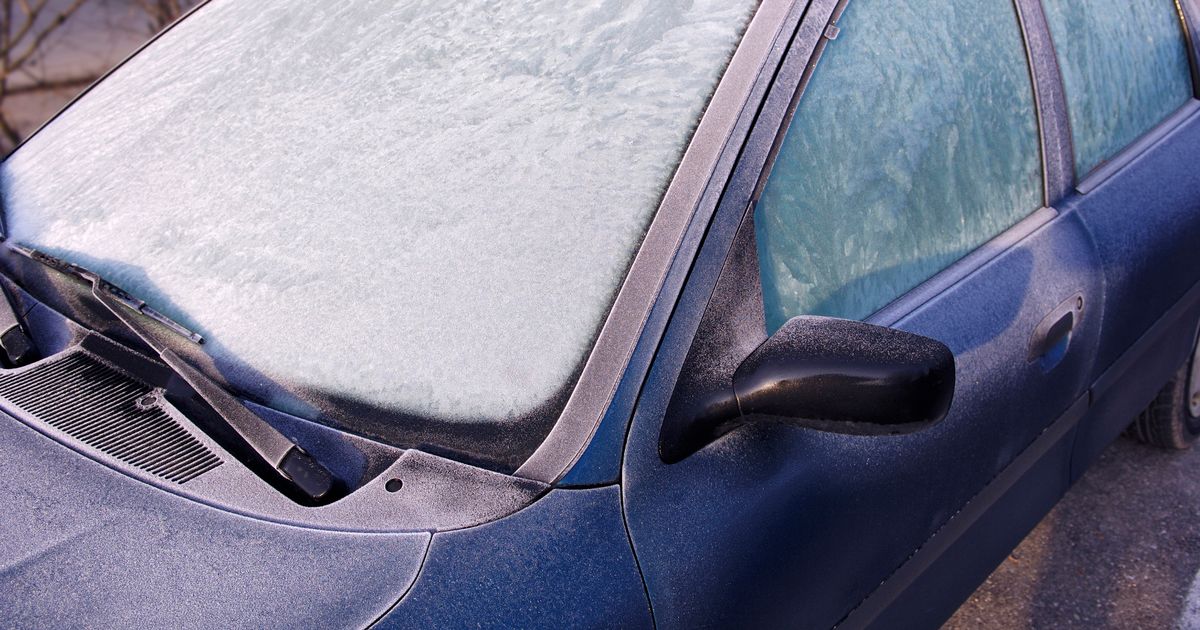
Motoring experts have explained which viral winter car hacks actually work and which could lead to cracked windscreens, costly repairs or even penalty points as UK temperatures plummet

As Scotland shivers through plummeting temperatures and treacherous icy conditions, motorists are desperately seeking quick solutions to keep their cars operational during the harsh winter months. However, whilst some tips genuinely prove helpful, others risk causing cracked windscreens, costly damage, or even penalty points on your licence.
From trending social media advice to age-old misconceptions, Ben Welham, motoring specialist at online used car dealer cinch, has compiled the most popular winter ‘car hacks’ and exposes which ones truly deliver results, and which should be completely avoided. Follow his guidance below to make sure the car tricks you’ve been depending on aren’t causing more damage than good this winter.
Winter car hacks to steer clear of
Applying warm or boiling water to frozen windscreens
This stands as one of the most common winter suggestions circulating online, yet it’s also amongst the most hazardous actions you can take on a frosty morning. The abrupt temperature change can shatter your windscreen within moments, whilst any leftover water will solidify across your wipers and bonnet should temperatures remain sub-zero.
Ben cautions: “A proper de-icer spray or ice scraper is far cheaper than replacing a windscreen. The thermal shock from boiling water can shatter glass in an instant, leaving you with costly repairs and major disruption to your day.”
Rubbing potatoes on windscreens to prevent frost formation
It’s wise to avoid this viral myth that keeps circulating. Although the starch may slightly delay ice formation, it leaves a sticky residue that smears easily and could damage your wiper blades.
“This TikTok trend might seem smart, but you’ll end up with a sticky mess on your windscreen that’s harder to remove than the frost itself,” warns Welham.
Methods worth giving a go
Using hand sanitiser to defrost locks
This compact solution can genuinely assist in thawing frozen locks due to its high alcohol content, which melts ice. It’s a clever emergency solution when de-icer spray isn’t available.
“This trick works surprisingly well,” admits Welham. “The alcohol content of hand sanitiser does the job nicely, so it’s a fantastic backup if you run out of de-icer on a chilly day.”
Covering mirrors with socks overnight
This technique might sound silly, but it works. Placing old socks or small plastic bags over wing mirrors prevents frost from forming overnight and saves time scraping in the morning (assuming your car doesn’t have heated wing mirrors).
“Using your socks might earn you some odd looks from your neighbours, but it’s effective,” assures Welham. “A couple of old socks can save precious minutes on frosty mornings. Just remember to take them off before starting your journey.”
Filling a sock with cat litter to prevent foggy windows
This technique proves remarkably effective when applied in real-world situations. Silica-based cat litter draws moisture from the atmosphere, preventing windows from misting up on the interior.
“If you happen to be a cat owner and have some clean litter to hand, this is a quick DIY fix,” advises Welham. “Just don’t forget to secure the sock properly to prevent spillage across your car seats while you drive.”
Understand the rules: remain inside your vehicle whilst it warms up
Numerous vehicles, particularly older models, require the engine to run for several minutes to reach operating temperature before setting off. However, it’s crucial that you stay in the car as it warms up with the engine running.
Highway Code Rule 123 states it’s forbidden to leave a stationary vehicle unattended with the engine running.
“It’s important that drivers take the time to allow icy or fogged up windows to defrost,” Welham emphasises.
“While it might be tempting to return to your house for a few minutes as your car heats up, this could prove costly. Not only could it result in a fine, but it could also compromise the security of your used Ford or Audi.”
Modern vehicle technology tackles the cold efficiently without needing any clever tricks
Countless contemporary cars now feature integrated systems that make freezing mornings more manageable and secure than previously. With the increasing availability of cold weather innovations such as heated steering wheels, automatic defogging sensors and windscreen heaters, many traditional winter ‘car hacks’ are becoming redundant.
Thanks to smartphone apps that come with modern motors – especially electric vehicles – drivers can now pre-heat their cars remotely from the comfort of their living rooms.
This enables you to warm the interior and defrost the windscreen while connected to a domestic charging station – thus saving more of your vehicle’s battery power for the actual journey.
“Not every viral hack you hear about is worth risking,” says Welham.
“Modern car tech has quietly replaced many of the old tricks, but if you’re using traditional methods, stick to the simple, safe ways to get ready for winter without damaging your car or breaking the law.”














Leave a comment