
Need to know
Everything from driving licenses to electric car tax will be impacted

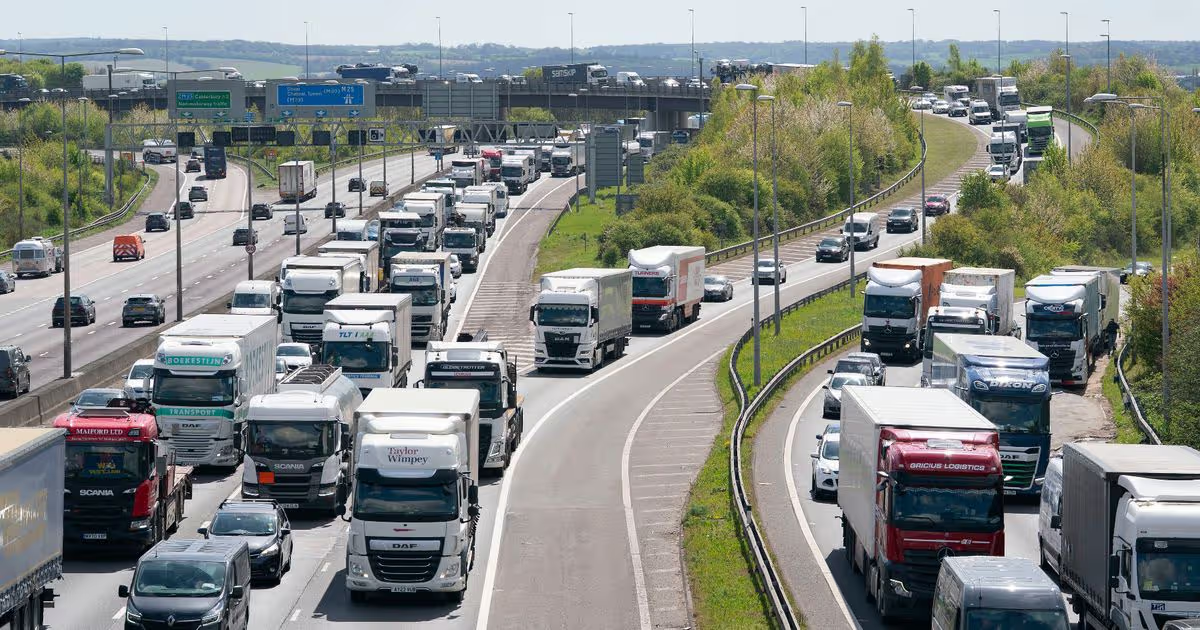
Drivers issued warning over UK law changes in 2026(Image: PA)
In 2026, a wave of new driving laws will start rolling out across the UK.
Drivers have been urged to prepare for the changes ahead, as they impact everything from licenses to electric car tax.
Carwow has pulled together the key driving law and rule changes motorists need to be aware of this year, as a mix of confirmed reforms and proposed safety measures begin to reshape what it costs to run a car and how closely rules are enforced.
READ MORE: Millions of Halifax customers urged to take action in coming weeks
The key driving changes motorists need to know in 2026
Digital driving licences begin rollout
Driving licences are moving towards a digital format, with full rollout expected by 2027. Physical cards remain valid, but drivers should ensure their address, medical details and entitlements are up to date online to avoid enforcement issues.
Learner drivers face new test booking rules
Learners now need to give at least 10 working days’ notice to cancel or reschedule a driving test. From Spring 2026, instructors will no longer be able to book tests on learners’ behalf, with limits on rescheduling designed to make the system fairer and protect personal data.
Increased enforcement on MOT, tax and vehicle checks
Authorities, including the police, are increasing their use of automated number plate recognition cameras to identify untaxed vehicles or cars without a valid MOT. Drivers are advised to keep MOT, tax and registration details up to date to avoid penalties and potential insurance problems.
Electric car tax is now part of the system
Electric cars registered from 1 April 2025 are no longer fully tax-free, with standard road tax charges applying from the second year of ownership. From April 2026, the expensive car supplement threshold for zero-emission vehicles rises from £40,000 to £50,000, meaning fewer EV drivers will face the additional charge.
However, further reform is already being debated. While pay-per-mile charging for electric and hybrid vehicles has been floated as a longer-term replacement for fuel duty, Carwow polling suggests drivers remain sceptical. Just 37% of respondents said a pay-per-mile system for electric and hybrid cars would be fair, highlighting concern about rising costs as EVs move into the mainstream.
Fuel duty and company car tax changes later this year
Fuel duty is set to rise from September 2026, ending the long-standing 5p-per-litre cut. Company car tax is also changing from April 2026, with electric cars moving from 3% to 4%, while high-emission vehicles could face rates as high as 37%.
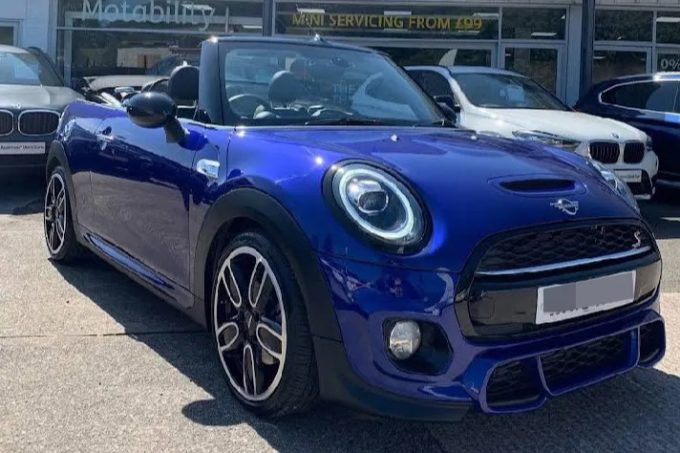
Motability scheme updates
Luxury cars are being removed from the Motability scheme. From July 2026, VAT and insurance costs are set to rise on Advance Payment vehicles, while Wheelchair Accessible Vehicles remain exempt.
London Congestion Charge has increased
From 2 January 2026, the London Congestion Charge rose to £18 per day, or £21 if paid late. Discounts for electric vehicles have reduced, with EVs now receiving 25% off, while vans and HGVs receive a 50% discount.
Recent Carwow polling suggests strong opposition to the change, with 81% of drivers saying the £18 daily charge is unfair. Almost half (47%) say rising tolls and charges have already led them to avoid certain areas or routes, highlighting how cost pressures are starting to influence driving behaviour.
Euro 7 emissions standards from November
From November 2026, all new cars and vans must meet Euro 7 emissions standards, designed to cut pollution and improve air quality.
Driving theory test content is changing
Learner drivers will face new theory test questions on CPR and using an automated external defibrillator, aimed at strengthening emergency response skills.
Self-driving vehicles may appear on UK roads
Drivers may start to see self-driving vehicles in use during 2026. Any autonomous vehicles will need to meet strict safety standards before operating on public roads.
Carwow research suggests most drivers remain cautious, with 51% saying they would not feel comfortable riding in a driverless car, although confidence is slowly improving compared with last year. Attitudes vary by location, with London drivers more open to the technology than those in rural areas.
Changes being consulted on in 2026
Alongside the confirmed updates, the government is also consulting on a number of road safety measures that could affect how people drive in the future. These proposals are not law, but they signal the direction of travel.
Areas under review include tougher drink-driving rules, particularly for new drivers, mandatory eyesight tests for drivers over 70, and changes to how people learn to drive, including the introduction of a minimum learning period before taking a practical test. Ministers are also considering stricter penalties for everyday offences such as not wearing a seatbelt, as well as tougher action on uninsured vehicles and illegal number plates.











Leave a comment