
The trend towards climate litigation
Environmental concerns and sustainability continue to dominate board agendas. From compliance to commercial strategy, you’re under pressure to act. A significant driver for this is the increasing number and expanding scope of climate (or ‘green’) litigation cases. These cases provide clear guidance on how to update your climate policies, protect your business and stay compliant.
For example, in the Royal Dutch Shell 2021 case, a private company was ordered to align its policies with the Paris Agreement, and the Supreme Court’s decisions in Lungowe and Okpabi opened the door for claimants to pursue UK parent companies for environmental failings of national and even international subsidiaries. Chris Packham’s legal challenge resulted in the UK government agreeing to reconsider its climate commitments, and Finch v Surrey County Council confirmed that planning authorities must fully account for both direct and indirect emissions.
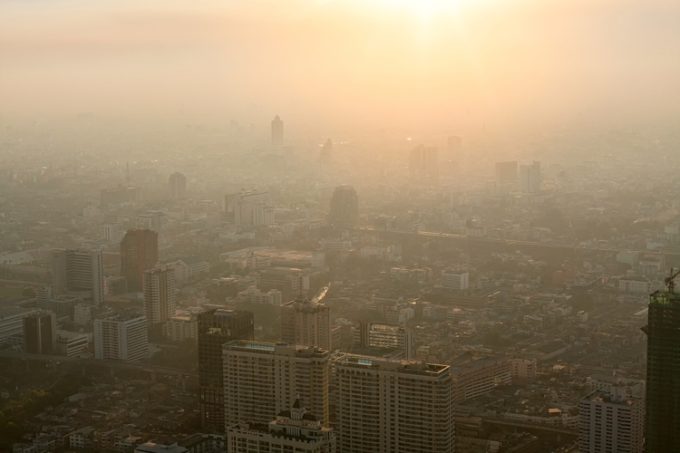
Recently, there have been some more unexpected iterations of climate litigation, from the government’s settlement of a claim arising from the first person in the world to have air pollution noted on their death certificate to the so-called ‘Swiss grannies case’ [1].
For corporates, the further Royal Dutch Shell litigation is particularly significant. It suggests your climate responsibility goes beyond compliance with existing laws and regulations. Compliance is now the starting point – not the finish line.
Following that, campaigner Milieudefensie is pursuing allegations that Dutch Bank ING’s climate policy amounts to a breach of the corporate climate responsibility duty because of its own emissions, the emissions generated in the sectors it finances, its financing of companies involved in oil and gas projects, and its failure to require clients to advance robust climate plans. The claim is extremely far-reaching.
And now a ground-breaking climate arbitration claim is being brought against the UK state. After the previous government granted permission to West Cumbrian Mining to develop a coal mine, the High Court blocked the project due to environmental concerns. Labour ministers then withdrew government support for the mine, and the planning application failed.
The claimant developer and investor now argue that the revocation and related regulatory measures unlawfully interfered with their investment and denied them protections guaranteed by a relevant investment treaty. If you invest in infrastructure or energy, this is one to watch.
Current climate and developments in the law of nuisance
Climate obligations and shifting policy are directly impacting states, businesses and investors. Innovative legal approaches and claims are emerging, and you need to be ready.
Developments in the law of nuisance potentially widen the scope for claims to be brought by or against UK businesses, particularly if you’re operating or investing in the build, infrastructure, energy and waste sectors.
Relevant examples include Manchester Ship Canal v United Utilities Water [2], which demonstrated the courts’ increasing readiness to adapt the law for environmental protection, and the Supreme Court of New Zealand’s decision to allow claims in negligence, public nuisance and a novel ‘climate system damage’ tort, to proceed to trial against several corporate defendants [3]. The New Zealand judgment noted that the common law cannot stand still in the face of massive environmental challenges. And as if to illustrate that principle, a case in Ireland has recently found wind turbine noise to constitute nuisance for the first time,.
The current climate is also prompting innovative private claims against environmental polluters, including water companies, and even individual company officers. Allegations relating to the Hafod landfill site near Wrexham, the Mullaghglass landfill site in Northern Ireland, the chief executive and chief financial officer of Thames Water, and various senior figures in oil and gas firms, are all attracting interest from the legal and mainstream press. Businesses could face reputational trial-by-media as well as legal liability.
There’s no doubt that the law of nuisance is developing quickly, and courts, across the UK and internationally are finding innovative ways to apply or develop the law to facilitate environmental protection.
How we can help you
Climate litigation is reshaping legal frameworks and driving new approaches. If you operate or invest in the built environment, infrastructure or energy sectors, these changes will impact your policies, operational practices, risk management and commercial decisions.
Businesses and investors across all sectors are likely to feel the impact. You’ll face growing pressure to report transparently on your green credentials, and transition planning. Climate compliance and transparency aren’t optional, they’re critical for your long-term resilience.
Our specialist lawyers are experienced in environmental issues, construction and development, infrastructure and energy, commercial contracts, corporate and climate reporting and all aspects of the sustainability agenda.
We advise on compliance, transactional and regulatory/dispute resolution.. We can help your business at every step of your journey to create, implement and deliver an effective environmental strategy. We can help you respond effectively to concerns and claims arising from environmental issues and green litigation, and to capitalise on infrastructure and development opportunities that may arise in this climate.
In particular, we can:
- Undertake audits and contract reviews and draft/update policies, procedures and contracts from a sustainability perspective.
- Keep you up-to-date on legal and regulatory developments.
- Help you to secure ‘green finance’ or other responsible investments
- Provide commercially-focused, cross-disciplinary advice and transactional assistance in relation to environmental issues and sustainability projects.
- Provide advice and assistance in relation to the design and planning of development schemes.
- Provide risk management and effective dispute resolution strategies if/when any infrastructure, pollution or sustainability issues do arise, including bringing or defending claims or complaints, or in connection with regulatory investigations.
If you have any questions, need tailored advice or would like more information on staff training, please contact Rachel Turnbull.
[1] The European Court of Human Rights found that Switzerland had taken inadequate steps to combat climate change and, in doing so, had breached the human rights of an association of elderly Swiss women concerned by the impact of climate change. The women were found to have been particularly affected by climate change due to their age and gender, which made them especially vulnerable to heatwaves and other climate-related health risks. The landmark ruling set a precedent for using human rights law to hold governments accountable for inadequate climate policies.
[2] See our briefing
[3] New Zealand law uses the English common law system and incorporates some English negligence and nuisance case law authorities. The claims stem from allegations that the businesses are either involved in an industry which releases greenhouses gases, or manufacture/supply products which release greenhouse gases. They are extremely wide in scope, could catalyse private and regulatory action, and may even prompt a new, climate damage-specific tort.













Leave a comment