
Small UK businesses could be sleepwalking into a cybersecurity crisis, with one in five admitting they would have to close their doors within three months in the event of a data breach.
A poll of 1,000 SME owners revealed they face a combined estimated loss of up to £100k annually due to unbudgeted security fixes and malware recovery. The research highlights that despite the risks, 58% connect to free public Wi-Fi with 15% accessing sensitive work documents while connected this way.
Day‑to‑day habits raise further concerns, as almost a third (32%) of SMEs admitted to working from a coffee shop and 24% on public transport at least once a week, according to the findings from Samsung.
Even though many blame breaches on phishing and lack of staff awareness, 67% haven’t introduced new cybersecurity measures in the past year. Worse still, 45% provide no training at all, leaving businesses exposed.
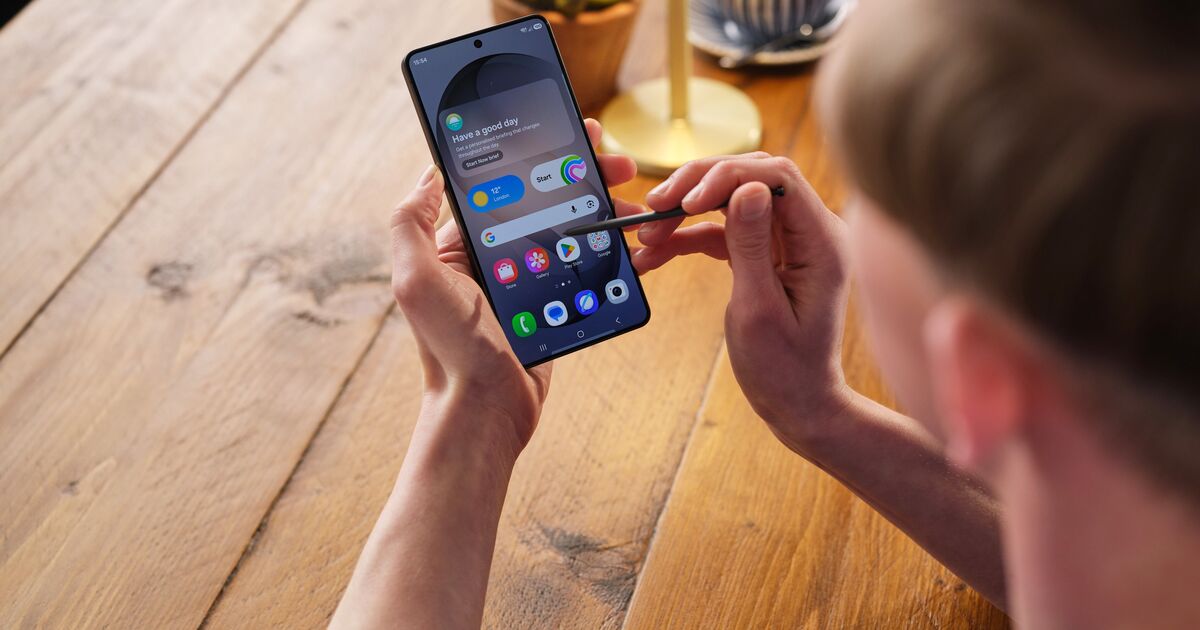
The research was commissioned to launch the Galaxy S26 Ultra Enterprise Edition, alongside a new video featuring former cybersecurity expert and 2026 Traitors winner, Stephen Libby, bringing to life the dangers of weak digital practices in the workplace.
Stephen Libby said: “Cyber security breaches are a massive issue for any business, and this traitorous behaviour can especially affect SMEs. A single incident can disrupt operations or even force business to close.
“With so much work now happening on phones, it’s crucial that businesses make sure they’re using devices with strong built-in security and privacy protections to keep sensitive information safe.”
Business owners say they’re aware of cybersecurity threats like phishing and scam messages (88%), malware (84%), unauthorised apps (53%), rooting/firmware tampering (32%) and snooping (29%). However, one in five admitted they wouldn’t know if their device had been compromised, and 58% download apps or software to work devices without checking security permissions first.
Nearly one in four (23%) have left a device unlocked and unattended in public and 31% still never use a physical privacy screen to protect their data.
But it’s not just laptops, as three quarters use their mobile for work, yet almost half (49%) say cybersecurity isn’t a top priority when choosing a device.
Annika Bizon from Samsung, which has developed its new device with a built‑in Privacy Display to shield on‑screen information and government‑grade Samsung Knox security, added: “Small and medium businesses are the backbone of our economy, yet they are increasingly targeted by cybercriminals because they often lack enterprise-grade protection.
“Technology should help level the playing field.
“By building advanced security directly, we’re helping businesses with the tools to stay proactive and protect sensitive data wherever work happens.”













Leave a comment