
As the UK manages digital transformation across the public sector, it has become clear that a deep vein of distrust in digital identity runs through British society. Public pressure has killed most every digital ID scheme the UK has tried, and its latest has been pared back, eliminating mandatory digital ID for right-to-work checks.
Nonetheless, the government soldiers on. A pair of recent blog posts from the Government Digital Services (GDS) makes the case that it has accomplished much on the digital file, even if much work remains.
To begin, it notes the publication of the Government Cyber Action Plan, which “sets out the importance of improving our cyber defences for digital public services,” and how the Blueprint for modern digital government lays the groundwork for digital wallets and verifiable credentials.
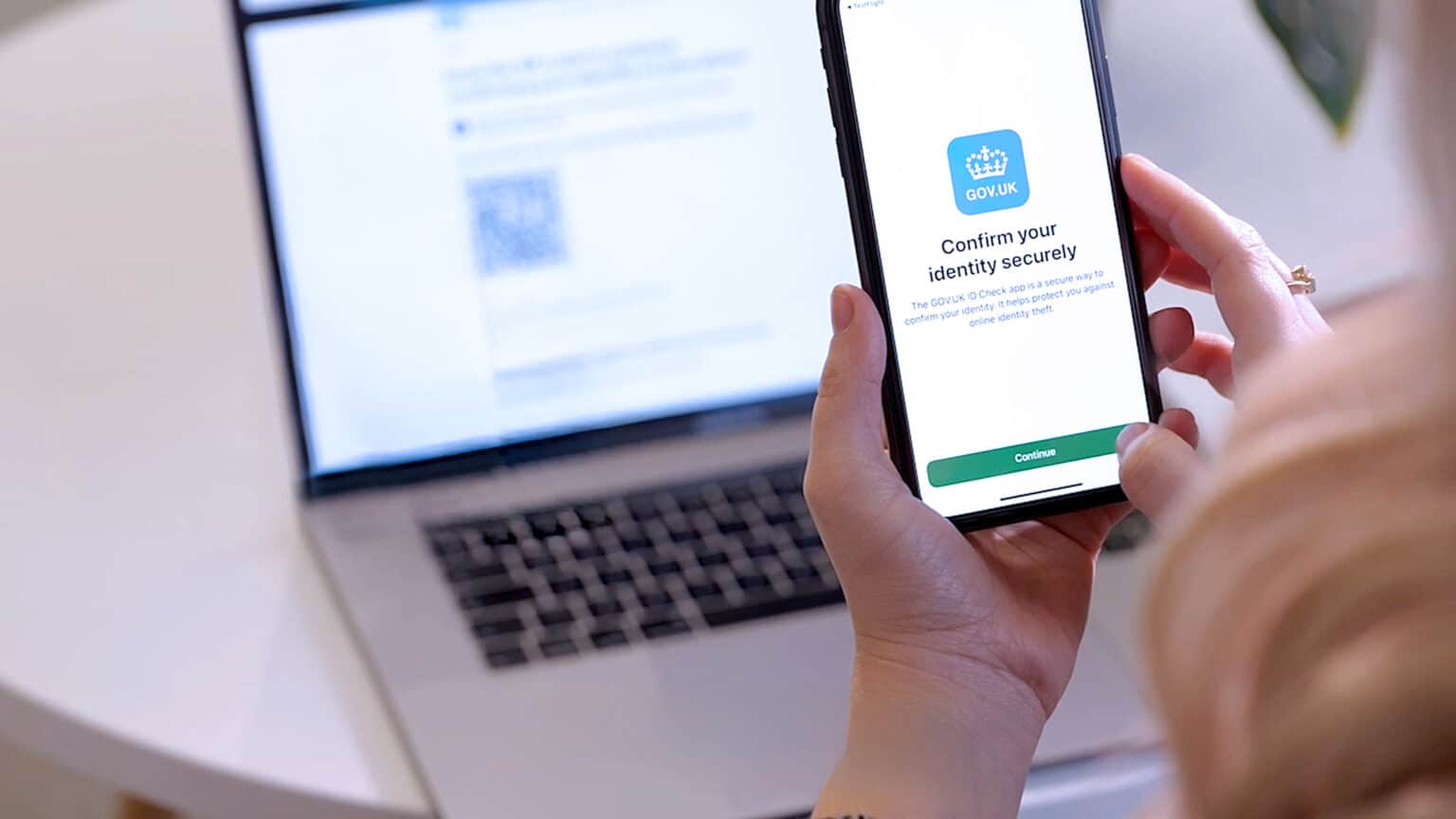
And it lists several key actions it is taking to make access to government services with GOV.UK One Login more secure and convenient.
“The programme is built on the principle that public trust is essential,” it says. “GOV.UK One Login follows strict security standards, similar to those used in the private sector, to protect users’ data and privacy. Security is our top priority and the team is constantly working to deliver a smooth and secure user experience.”
The system is fully compliant with UK data protection laws, requiring minimum necessary data for verification, with no central database. Regular reviews by independent bodies and government partners ensure that high standards are maintained, and multiple lines of protection defend against evolving risks.
In other words, says GDS, GOV.UK One Login is up to snuff and getting better.
Private sector IDV firms held up as key partners
Not content to rest on its Blueprint, the government has also published “A roadmap for modern digital government,” to provide further updates – notably on the status of the UK’s digital wallet.
“Over the past 12 months, GDS has been working hard to make the UK government’s first digital wallet a reality,” it says. “We have built a digital wallet in the GOV.UK One Login app which can store government credentials; delivered the digital Veteran Card in partnership with cross-government colleagues, with more than 15,000 veterans successfully adding their card to their GOV.UK One Login app; and engaged with the digital identity sector through an industry kick-off event, and nearly 30 meetings since, as private sector identity providers have a key role in enabling the use of digital credentials in everyday life.”
This last point feels like a direct response to concerns from private sector firms certified under the UK’s Digital Identity and Attributes Trust Framework (DIATF) that the government’s digital ID plans could push them out of market.
Indeed, the post devotes a whole section to close work with the private sector. “Our relationships with the private sector are crucial for the roll-out’s next stage, and for enhancing in-person checks and enabling people to share their new digital credentials in day to day situations,” it says.
Digital drivers license pilot launches ahead of wide rollout
GDS has also developed a set of “credential patterns, guidelines and style components for use by other government departments in the future,” and started private testing for a mobile driving licence (mDL) that will be rolled out widely in 2026.
“We’ll continue to test, build and iterate this year, working closely with the private sector to enable the development of secure checking services that are compatible with the credentials stored in the GOV.UK One Login app,” it says. “The Digital Verification Service (DVS) industry is crucial to enabling programmatic checks. This year, we’ll enable them to test how they will share data from the digital driving licence with third parties, before full rollout later in the year, so they can play their part in making the digital driving licence useful across the range of services where users currently use their physical licences.”
Article Topics
digital government | digital ID | digital wallets | DVLA | Gov.UK | GOV.UK Wallet | identity verification | mDL (mobile driver’s license) | One Login












Leave a comment