
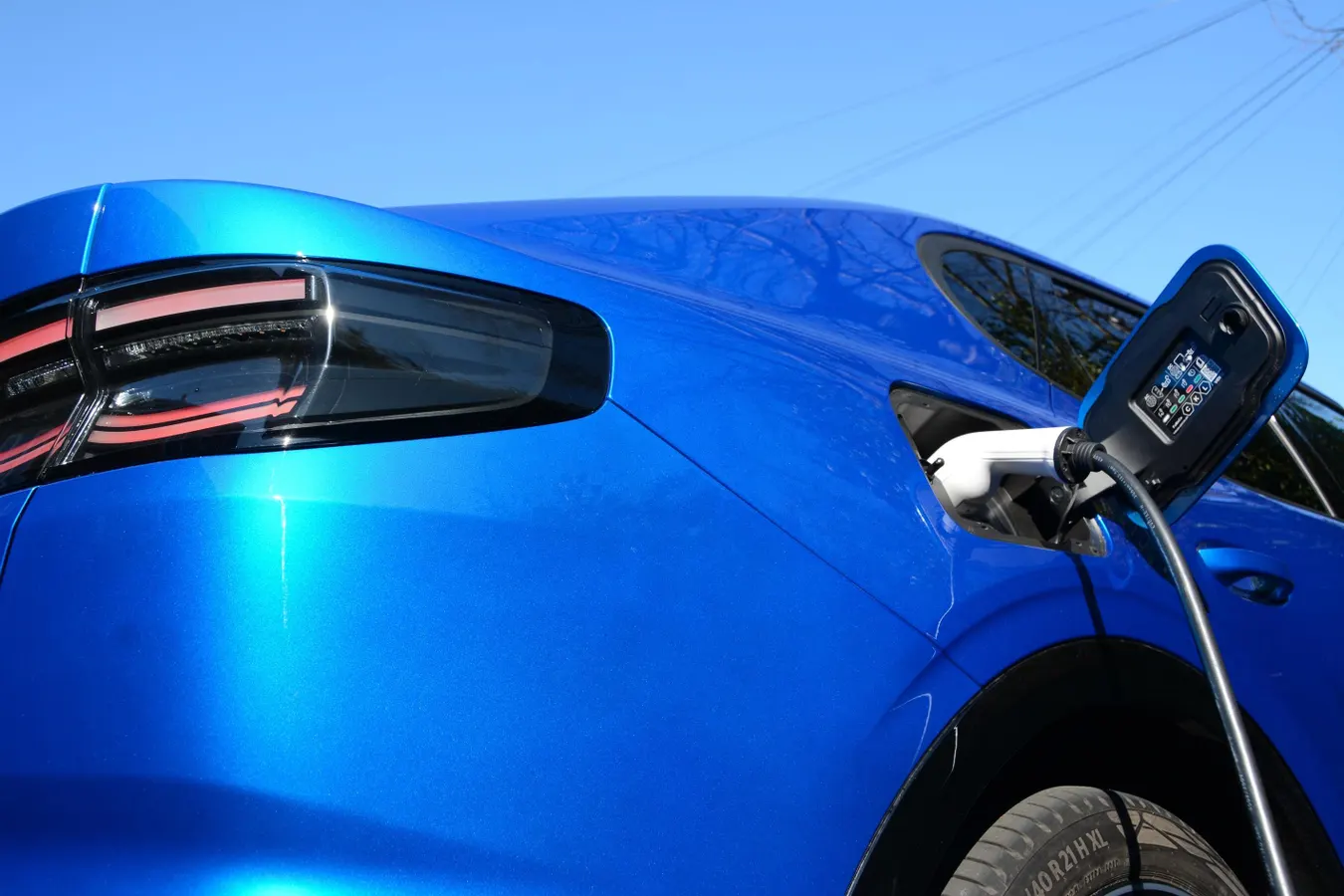

Car charging
DriveElectric
Electric car sales in the UK are forecast to reach 580,000 registrations in 2026, accounting for 29% of all new car sales, according to new projections from leading EV leasing company DriveElectric. This is based on an estimated two million total new car registrations next year.
This represents a significant rise from 2025, when electric cars made up 23.4% of the new car market (473,348 units). While December 2025 alone saw EVs account for 32.2% of registrations, overall market share is expected to increase by 5.6 percentage points year on year in 2026.
Electric Van Sales to Surge by 50% in 2026
Sales of Electric Light Commercial Vehicles (ELCVs)—primarily electric vans—are forecast to grow by 50% in 2026, with registrations reaching around 45,000 units, up from approximately 30,169 in 2025 (a 9.5% market share).
Kia PV5
Matthew MacConnell
This rapid growth is being driven by major improvements in electric van capability, including:
- One-tonne payloads now widely available
- Real-world driving ranges exceeding 200 miles
- Greater suitability for business fleets and logistics operations
ZEV Mandate Targets and Manufacturer Flexibility
Despite continued growth, electric cars are forecast to represent 29% of total UK car sales in 2026, falling short of the 33% Zero Emission Vehicle (ZEV) mandate target.
However, flexibilities built into the ZEV mandate allowed manufacturers to exceed targets in 2024, and the same outcome is expected in 2025, even when headline EV sales figures appear lower. Crucially, electric van registrations count double toward ZEV targets, meaning rising ELCV sales are expected to help manufacturers meet overall compliance in 2026.
What’s Driving EV Growth in the UK?
DriveElectric’s EV sales forecasts are based on its proprietary UK market intelligence model and reflect several key trends:
More Affordable Electric Cars
- Increasing availability of smaller, lower-cost EVs
- Government Electric Car Grant offering £1,500 or £3,750 discounts, depending on vehicle manufacturing sustainability
- Manufacturer-funded incentives where models don’t qualify for the official grant
Greater Choice and Competitive Pricing
- New EV brands entering the UK market, including more manufacturers from China
- Falling battery costs
- EV pricing increasingly comparable with petrol and diesel cars
Improved Range and Charging Performance
- Longer driving ranges and faster charging speeds
- Reduced “range anxiety,” often amplified by misinformation
- Rapid expansion of the UK charging network
According to Zapmap, the number of rapid and ultra-rapid chargers grew by 23% in 2025, further boosting consumer confidence.
Strong Incentives for Businesses and Fleet Operators
Businesses continue to benefit from compelling financial incentives to switch to electric vehicles, including:
- Low Benefit-in-Kind (BIK) tax rates:
- 3% until April 2026
- Rising by 1% annually to 5% in April 2028
- Growth of salary sacrifice EV schemes, reducing employee driving costs by up to 40%
- Improved carbon reporting, helping businesses secure contracts and win new work
Growing Used EV and Leasing Market
With more than 1.8 million electric vehicles now registered in the UK, the supply of used EVs is increasing rapidly. This is expanding the market for affordable used electric car leasing via:
- Business Contract Hire (BCH)
- Personal Contract Hire (PCH)
- Salary sacrifice schemes
Industry Insight from DriveElectric
Adam Kemp, Partnerships Director at DriveElectric, said:
“There are a range of factors that will enable more motorists to switch to EVs in 2026, including the Electric Car Grant, continued fleet incentives, falling interest rates, and an increasingly competitive EV market offering more affordable models with longer driving ranges.
“However, electric vans are set to be the standout story of 2026. Our forecasts show a 50% increase in registrations, driven by longer ranges and more competitive pricing for new models such as the Kia PV5.”
Electric Vehicles and the UK’s Net Zero Goals
Electric vehicles are a key component of the UK’s strategy to achieve net zero greenhouse gas emissions and improve local air quality. EVs typically offer lower running costs than petrol and diesel vehicles—a benefit expected to continue even if a proposed 3p-per-mile EV road tax is introduced from 2028.
Beyond cost and sustainability, consumer preference is playing a major role in adoption, with most drivers favouring the smoother, quieter driving experience of electric cars and vans.















Leave a comment