
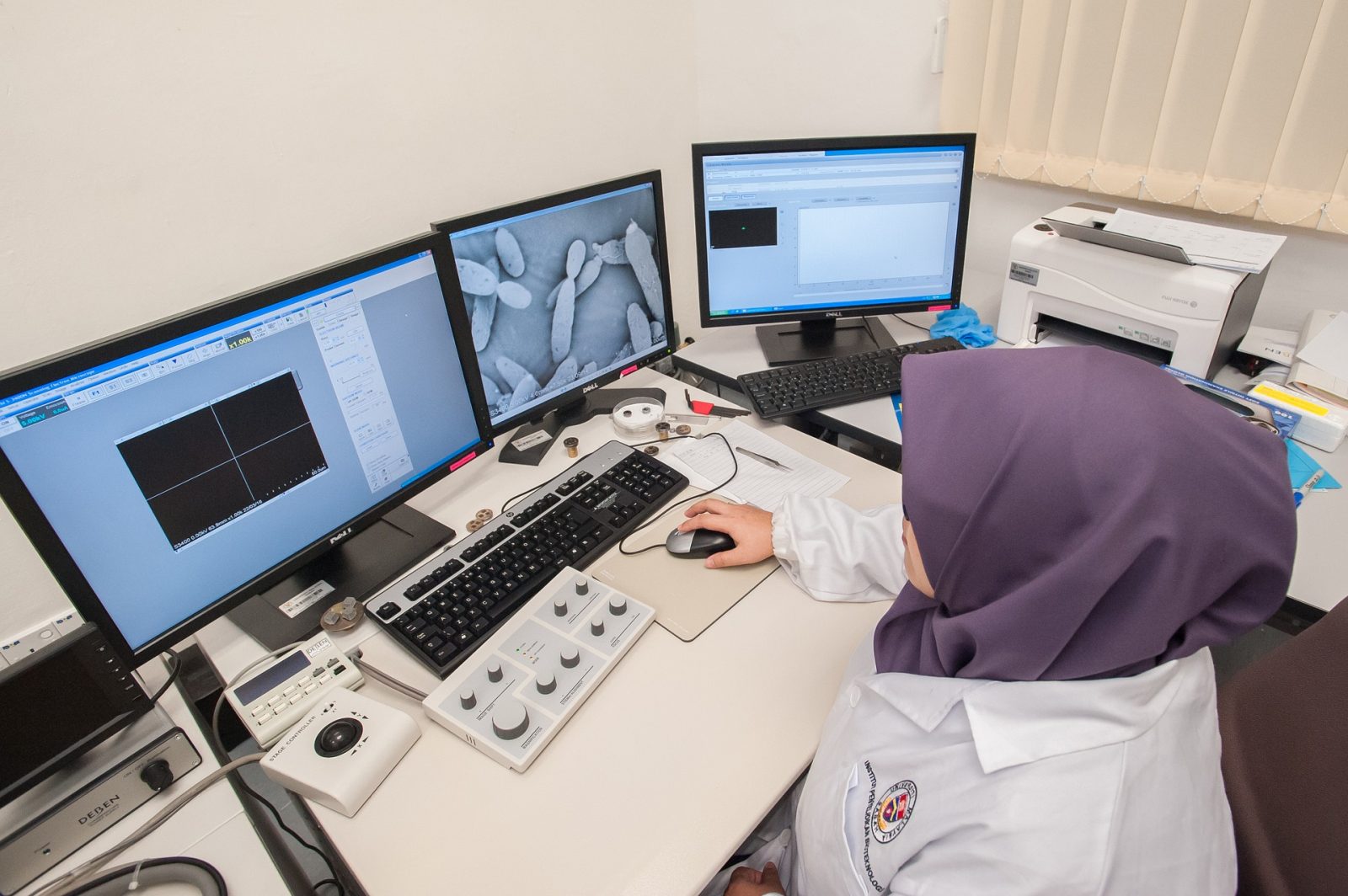
The ‘Industrial Biotechnology Innovation Centre’ designed to stimulate the growth of the industrial biology sector in Scotland to £900m by 2025 has welcomed its 100th member, Oxford Biotrans.

It is estimated that by 2025, the UK industrial biotechnology market will be worth up to £12bn. The reason lies in the market’s innovative potential.
Industrial biotechnology (IB) is changing the world, transitioning products and processes from being petrochemical-based to bio-based.
Everything people use in their daily lives can be reimagined using industrial biology processes so that they are more sustainable, leading to reduced greenhouse gas emissions, energy consumption and waste generation.
Some of the UK’s best-untapped resources for industrial biotechnology are carbon dioxide, agricultural wastes, municipal waste – heading to the landfill, seaweed and timber waste.
It is because of this feedstock and the high-level of academic expertise in the UK, and in particular Scotland, that is attracting investment from around the world.
Industrial biotechnology may be a little-known industry, but there is clear impact for companies of all sizes. IBioIC’s membership includes 14 start-ups and spinouts, 42 SMEs and 17 multi-national corporations, as well as government departments and other business consultancies.
In keeping with the multi-disciplinary nature of IB, the members include IB expertise from a wide range of industries, from food to pharma to materials. IBioIC supports their members by helping their ideas develop from concept to commercial reality.
Examples for how members of the Industrial Biotechnology Innovation Centre (IBioIC) support the transition into industrial technology are:
- Prawn shells being used to make environmentally friendly and antimicrobial cling film
- Timber residues used to make natural food flavourings, including vanilla
- Methane, a natural gas, converted into high quality protein animal feed
- Waste bread and potato starch used in medicine manufacturing
- Bi-products from whiskey manufacturing used to make fuel, feed and even nanoparticles for electronics
- Genetically modified mosquitoes used to battle Zika virus, Dengue fever and Malaria
The latest member to join the IBioIC is the company Oxford Biotrans, which has developed an environmentally friendly process to convert natural valencene; a citrus extract readily obtained from oranges, into natural-grade nootkatone – the flavour and scent of grapefruit used in food, beverage and cosmetic applications.
While synthetic nootkatone can be produced through chemical processes, it requires high temperatures, heavy metals and peroxides, and cannot be classed as natural in the EU.
















Leave a comment