
Thirty-two UK government services are offline and four are partially unavailable while work is carried out to address potential cybersecurity issues, a minister said on Thursday.
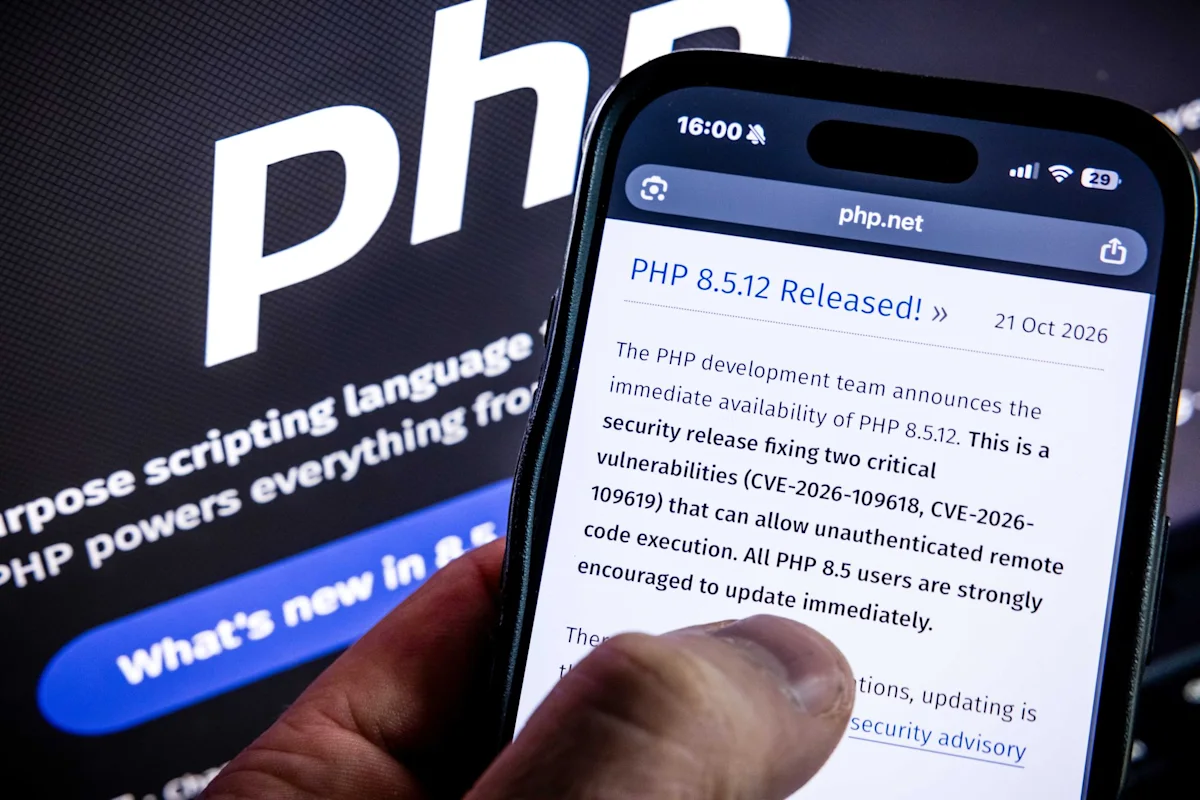
Organisations around the world have been scrambling to fix a critical security flaw in the programming language PHP used by the majority of websites.
The British government said on Thursday said no large public-facing critical services have been affected, but some “limited” government websites have gone dark while issues are resolved.
National Cyber Security Centre (NCSC) experts are working with OpenAI, whose technology was used to discover the vulnerabilities, and partners around the globe to address potential problems, a spokeswoman for Prime Minister Andy Burnham said.
Tech minister Liz Lloyd told the House of Lords: “The information I have is that 32 Government services are unavailable and four are partially unavailable.”
She said that “has largely resulted from precautionary measures taken to protect systems while security updates and mitigations are applied.”
The Downing Street spokeswoman told reporters: “Work has already taken place across Government to identify and fix potential exposures to our systems, and our experts are continuing to work closely with both OpenAI and international partners on this issue.
“No large public-facing critical services are being affected by the exercise, but some limited services may temporarily be offline while security work is carried out.
“But this does not mean they were hacked, and work continues to resolve any issues.”
The spokeswoman said it was not “standard practice” to provide a list of government services that were affected.
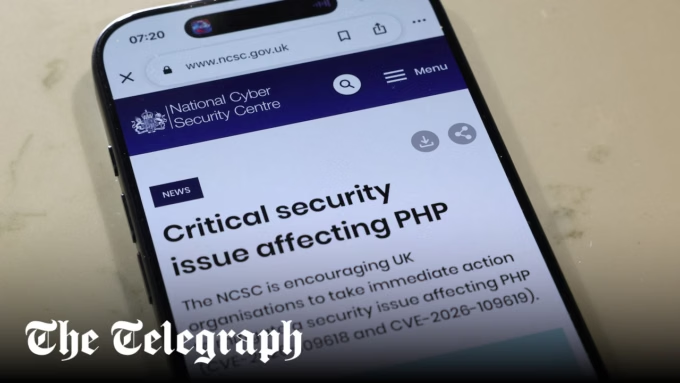
It came after cybersecurity chiefs warned UK organisations on Wednesday that a “critical security issue” had been discovered in PHP, which is used by almost 70% of websites according cybersecurity firm Cloudflare.
Lloyd said the NCSC was briefed by OpenAI on the vulnerability “last week” and “the Government acted proactively ahead of public disclosure.”
Organisations have been urged by the NCSC to update to a new, fixed version of the PHP software – or consider taking their websites offline if they cannot be upgraded immediately.
The PHP security issue identified could allow attackers to remotely control any web servers running PHP, which underpins popular platforms such as WordPress and Magento.
Many attempts at exploiting the vulnerability were spotted within hours of it being announced, according to Amazon and Cloudfare.
In an update published on the Amazon Web Services security blog, the company said its threat intelligence team found the flaw was “now being broadly exploited in the wild.”
Cloudfare chief executive Matthew Prince said on Thursday the firm spotted hundreds of thousands of hacking attempts within two hours of the announcement, with millions ongoing.
PHP developers had reportedly planned a security update on Thursday, but the release was brought forward after details of its work to address the vulnerabilities leaked online.














Leave a comment