
Britain’s infrastructure is under growing pressure from climate change and aging systems, yet too often our responses remain fragmented and reactive.
Network Rail’s new partnership with engineering consultancy WSP, signals a long-overdue move towards a national, data-driven approach to risk management. One that can finally replace patchy, regional fixes with a system built for the future.
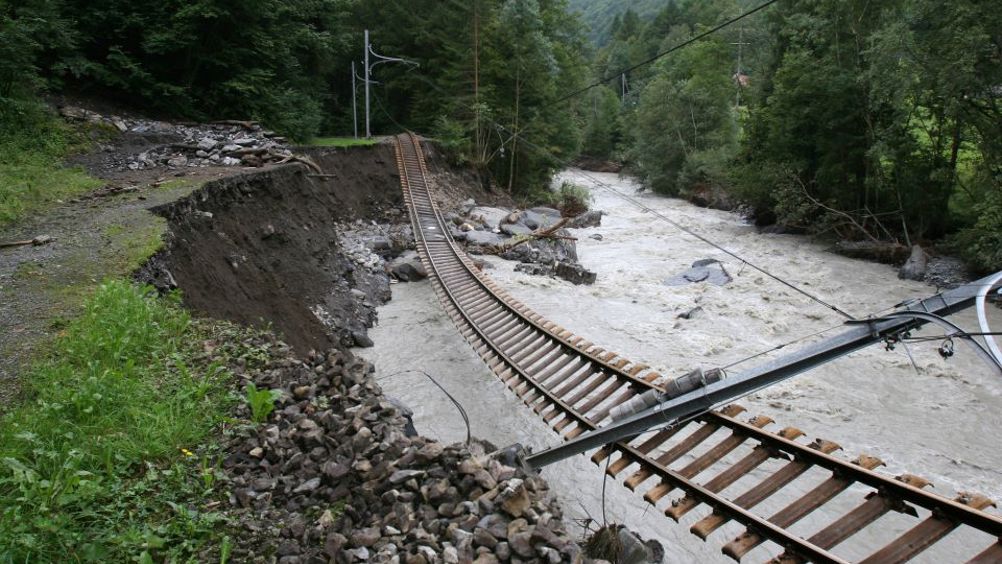
The collaboration will create a national framework to improve the UK’s resilience to floods and coastal erosion. Until now, responses have varied widely by region. Train operators often follow different rules when it comes to flood responses, meaning some areas suffer unnecessarily. By harnessing aggregated data, the new system will anticipate risks across the entire network and provide a clearer, more connected view.
This is timely. Infrastructure everywhere faces mounting pressure, driven by new realities such as extreme weather, groundwater depletion, rising sea levels, rapid urbanisation, and aging systems. These threats extend beyond railways to almost every aspect of modern infrastructure, worldwide.
Globally, the risks are stark. Cities around the globe, including Jakarta, Bangkok, Ho Chi Minh City, and Shanghai are sinking, with nearly 76 million people living in subsiding areas that have subsided. The impact is impossible to imagine, but roads, buildings, and utilities in these regions face catastrophic failure unless solutions are found.
Closer to home, the UK has just experienced its hottest summer on record, marked by four consecutive heatwaves. Sections of train lines built on Victorian-era clay embankments are beginning to crumble while millions of litres of oil are leaking into the ground from ageing electricity cables designed for a century-old system. These outdated wires are designed for the energy system of the last century and can no longer keep pace with today’s demands. Extreme heat has exposed, without question, that relying on outdated infrastructure is no longer sustainable.
The challenge for infrastructure managers and policymakers now goes beyond repairing wires or shoring up embankments. The priority must be prevention. We must reduce the risk of future failures that are both costly and environmentally damaging. This necessitates faster reporting and earlier detection with a fundamental shift from reactive to proactive strategies. Leading this shift is data. Only through the systematic collection, aggregation and analysis can we ensure there are no blind spots in resilience planning.
The coming decade will be defined not only by new materials, but by how we use data. LiDAR, drone, and satellite data into AI-driven 3D models–commonly known as digital twins–allow authorities to spot defects early and extend key infrastructure asset lifespans. The real value lies in aggregating this independently gathered data and making it work together.
Add real-time monitoring to the mix and infrastructure management is transformed. Continuous tracking of assets and instant access to live information provide insights unimaginable just a few years ago. Emerging tools such as cloud computing, drones, and mobile now deliver real-time visibility across vast, dispersed projects. This means that, regardless of where or when work is being carried out, there is a comprehensive, up-to-date overview of current activity and past progress. As a result, necessary tasks are completed more efficiently, and resources are directed where they are truly needed.
Network Rail partnership with the WSP highlights the importance of harnessing all available data and breaking down regional silos. Shared information and system-wide visibility mean smarter, evidence-based decisions rooted in real risk rather than assumption.
The stakes are rising fast. If we are serious about building infrastructure that can withstand the shocks of climate change and urban growth, the solution is clear: data must become the backbone of risk management.
Alan Browne, co-founder of Soarvo














Leave a comment