
As it stands, the fiscal rules mean Rachel Reeves, the Chancellor, must commit to lowering the nation’s budget deficit within five years, either by reining in spending or raising more through taxes.
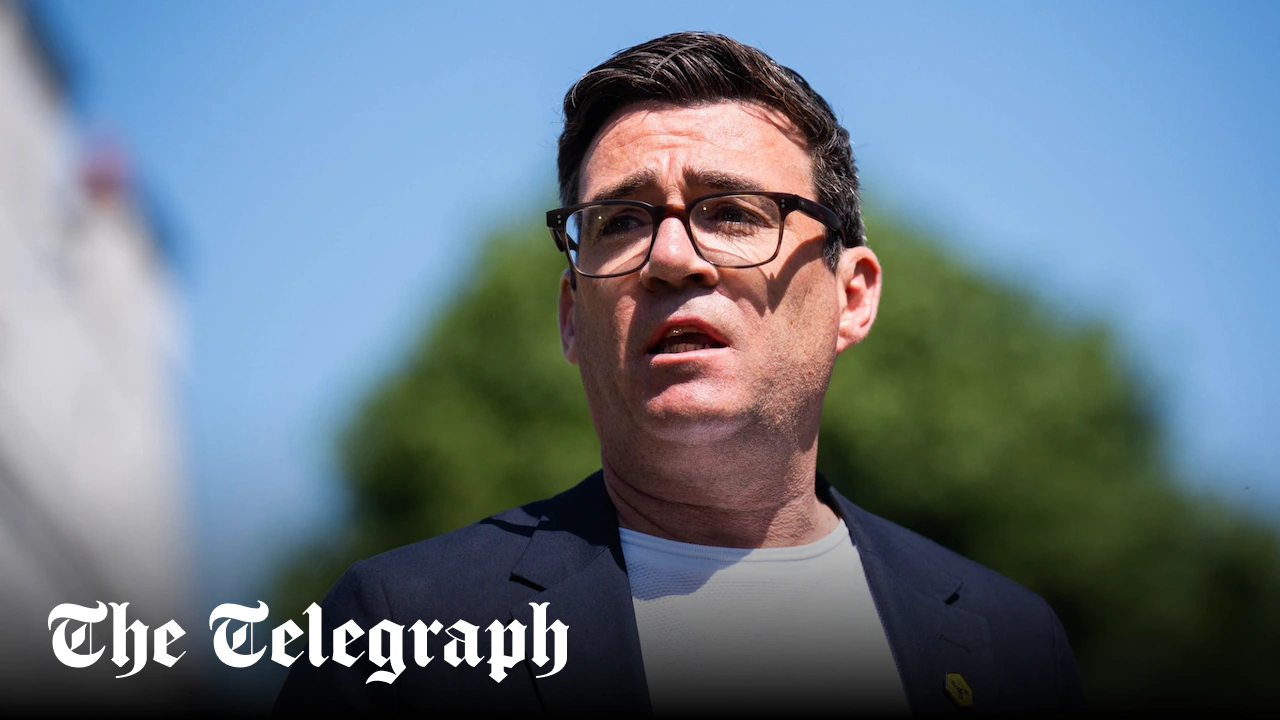
However, Burnham’s previous comments have stoked fears that spending and debt would rise further if he were to become leader of the Labour Party.
Burnham told Bloomberg in April that he would support increased funding for defence by using greater government borrowing.
George Buckley, the chief European economist at the investment bank Nomura, wrote in a recent note to clients: “Markets will be wanting assurance that the Government under new leadership would be fiscally responsible.
“The UK’s debt-GDP ratio has risen by more than any other G7 economy since the 2008 financial crisis, and with the UK being unable to fall back on reserve currency status (unlike the US dollar) or explicit ex-ante central bank promises to support disrupted sovereign bond markets … markets are likely to be more sensitive to the UK’s fiscal situation as a result.
“The events of autumn 2022, when Truss-Kwarteng loosened the fiscal reins and ignored the rules, continue to cast a long shadow.”
The yield on 10-year UK bonds, a benchmark for borrowing costs, surged from 3.3pc to 4.5pc in a matter of days in September 2022, when Truss unveiled £45bn in unfunded tax cuts.
















Leave a comment