

NIOSH Highlights Emerging Safety Risks of Construction Robotics
As robots take on more construction tasks, researchers emphasize the need to address human-robot interactions, equipment hazards and changing jobsite conditions.
The growing use of robotics on construction sites could reduce worker exposure to hazardous tasks while introducing new safety challenges, according to a bulletin from the National Institute for Occupational Safety and Health (NIOSH).
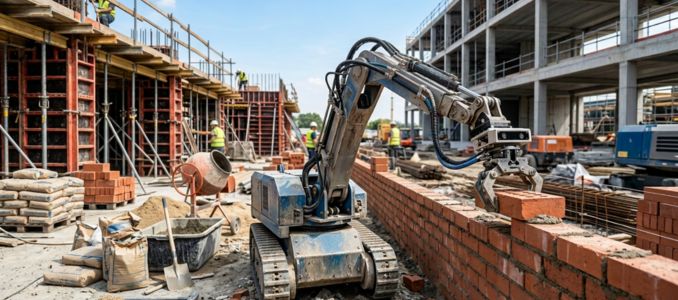
Construction robots are increasingly used for material handling, inspections, earthmoving, demolition and other physically demanding activities. Although these technologies can help reduce risks associated with heavy lifting, falls and hazardous environments, NIOSH researchers caution that working alongside automated equipment creates additional hazards.

Unlike manufacturing facilities, where robotic equipment often operates in controlled environments, construction sites change throughout a project’s duration. Multiple trades may work in overlapping areas, while uneven terrain, weather, dust and poor lighting can interfere with robotic sensors and navigation systems.
NIOSH identified several potential hazards associated with construction robotics, including struck-by incidents, caught-in or caught-between injuries, unexpected equipment movement, crushing hazards and dropped loads.
Advanced robotic systems also introduce technology-related concerns, such as communication failures, sensor malfunctions, software changes and limitations in obstacle detection.
Researchers recommend incorporating Prevention through Design principles into robotics planning and conducting task-specific risk assessments before deploying equipment. Safety programs should also account for changing site conditions and interactions between workers and automated machinery.
NIOSH emphasized monitoring leading indicators that could identify emerging problems before injuries occur. These include near misses involving robots, emergency stop activations, unexpected equipment disengagements, sensor faults and unauthorized entry into robotic operating areas.
The agency is also studying how robotics could improve hazard recognition. One research effort uses drones and computer-vision technology to identify workers, construction equipment and physical openings that could create fall or struck-by hazards.
Another project examines collaborative masonry robots designed to help workers lift and position heavy concrete blocks. Researchers are developing controls that respond to worker movements and use computer vision to detect potential collisions.
As construction robotics become more autonomous and interconnected, NIOSH said continued research, incident monitoring and safety standards development will be needed to address emerging risks.
The agency encouraged collaboration among manufacturers, contractors, workers and researchers to support the safe integration of robotics into construction operations.














Leave a comment