
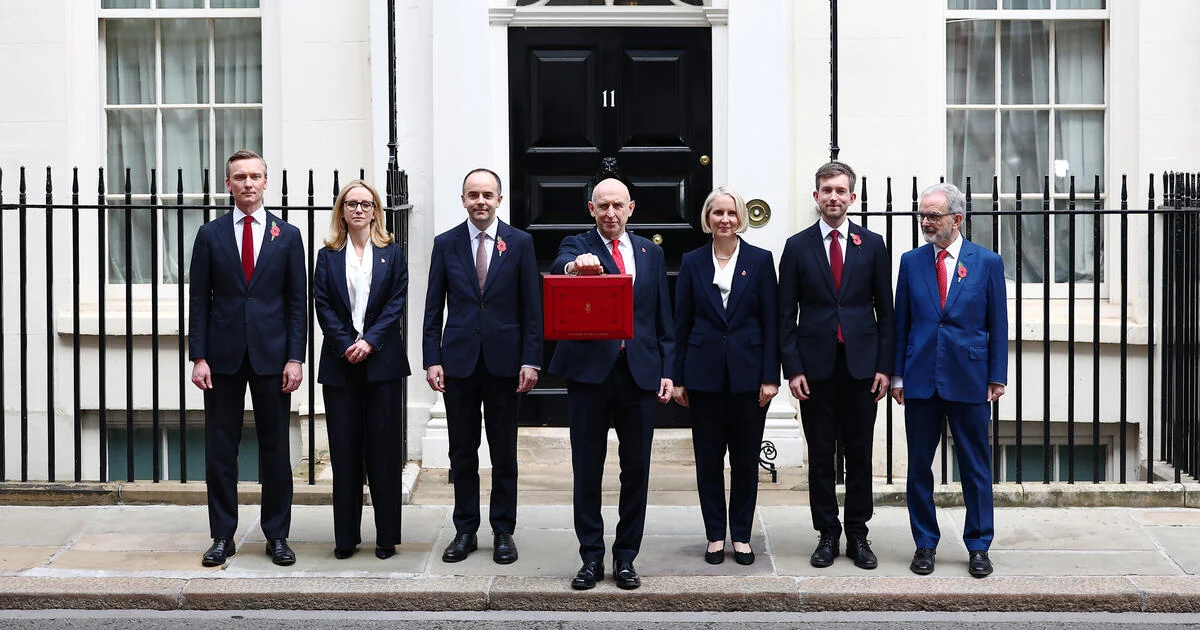
Andrew Brydon of Pinsent Masons was commenting after Healey delivered his maiden UK Budget (166-page / 4.4MB PDF) on Wednesday.
In his speech, Healey confirmed full funding for the defence investment plan set out in June. The plan contains the detail on how the UK government intends to invest in defence between now and the end of the decade to meet its previous commitment to increase defence spending to 2.7% of UK GDP – up from 2.3% in 2024. However, the government has now said it intends to hit a 3% of UK GDP target for defence spending by 2030. This is an interim target towards meeting its commitment to NATO of hitting the 3.5% figure by 2035.
While the government said this increased investment is “necessary for the security of the UK”, it said it also represents “an opportunity to do things differently, working more closely with the private sector to build defence industry capacity alongside delivering new and innovative defence capability”.
More details of how this increased funding will be raised and where it will be targeted is expected to come at the government’s next spending review in 2027. However, some immediate measures were outlined in the chancellor’s speech.
The government said the National Wealth Fund and British Business Bank will deploy up to £5 billion of public money into defence, dual-use and other sectors that support the UK’s national security, sovereign capability and resilience, over the next four years. It has also pledged to “develop a pipeline for private finance opportunities” in UK defence, including public private partnerships, where they are “value for money”.
The government further confirmed that it is setting up a new Innovative Defence Financing Taskforce “to maximise the contribution of private and international finance to UK defence”. The taskforce will also be responsible for furthering defence procurement reforms “that support innovative financing”, it said.
In the summer, the government confirmed that it was exploring, with some other countries, the creation of a new ‘Multilateral Defence Mechanism’ (MDM) – an independent international financial institution that could facilitate joint defence procurement among participating states. The UK, the Netherlands, Finland, and Poland are leading on the initiative. In a joint statement published on Wednesday, the countries confirmed they will be “commencing treaty negotiations” with a view to having the MDM operational next year.
“The Budget provides a further signal that defence and security remain central to the government’s economic growth and national security agenda,” said Andrew Brydon of Pinsent Masons. “The commitment to increase defence spending, alongside new funding mechanisms and a greater focus on attracting private investment into the sector, will be welcomed by defence businesses and investors alike.”
“While many of the detailed decisions have been deferred to next year’s spending review, the direction of travel is becoming clearer. The government is establishing its priorities, providing stronger public messaging around defence as a long-term strategic investment, and signalling a willingness to explore new delivery and financing models to support future capability development. For industry, certainty and sustained commitment will be just as important as headline spending figures. Organisations across the defence sector will now be looking for further detail on how these commitments will translate into programmes, procurement opportunities and investment over the coming years,” he said.














Leave a comment