

Buying a car is a huge financial decision and one of the biggest financial commitments a person can make. Most drivers will focus on the monthly payments they make to the finance company, but that isn’t the only expense you should take into consideration before getting a new car.
Whether you’re buying your first car or upgrading to something newer, understanding all the associated costs can help you budget more effectively and avoid any financial surprises down the road.
Car finance is only part of the cost
Shopping for a new car is generally the easier part of getting car finance, as it’s easier to compare car finance payments. Regardless of which finance type you go for, Hire Purchase (HP) agreement, a Personal Contract Purchase (PCP) deal, or a personal loan, the finance payment is just one part of the overall cost.
Fuel and running costs add up quickly
Fuel is one of the most expensive ongoing expenses for most motorists. Even small increases in fuel prices can have a noticeable impact on your monthly spending, particularly if you drive long distances for work or regularly undertake outings.
For drivers considering electric vehicles, charging costs may be lower than traditional fuel costs, but they still need to account for home charging equipment and public charging fees.
Insurance can catch drivers out
Car insurance is another expense that many people underestimate. Premiums vary depending on factors such as age, location, driving history, occupation, and the type of vehicle being insured. Due to this, a car that seems affordable may become more expensive once you factor in insurance costs.
Maintenance and repairs are inevitable
No matter how reliable a vehicle is, maintenance is unavoidable. Annual servicing, MOT tests, tyre replacements, brake repairs, and unexpected mechanical faults will all contribute to your ownership costs over time.
The hidden cost of depreciation
One of the most overlooked aspects of owning a vehicle is depreciation. From the moment a car leaves the dealership, it begins to lose value.
For those who get car finance, depreciation is an important thing to take into consideration. Cars can lose value quickly, and this can have a financial impact as it can lead to negative equity, which means you owe more than the car is worth.
Don’t forget the smaller expenses
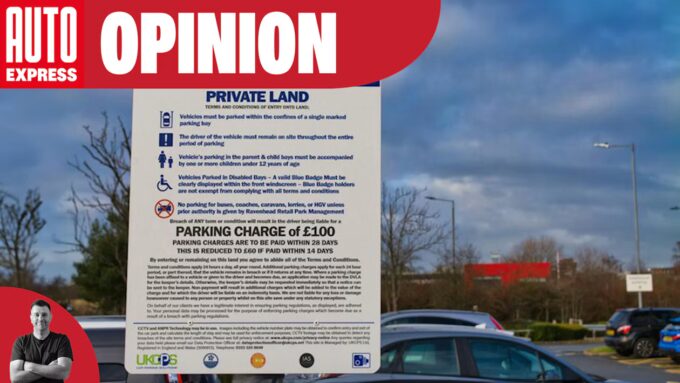
Many smaller costs are easy to overlook but can add up throughout the year. Vehicle tax, parking charges, toll roads, congestion charges, breakdown cover, cleaning products, and minor repairs all contribute to the overall cost of owning a car.
Individually, these expenses may seem manageable, but together they can amount to hundreds or even thousands of pounds each year.
Final thoughts
Whilst finding the right car finance deal can be an important financial aspect, it shouldn’t be the only thing you take into consideration. Fuel, insurance, maintenance, vehicle tax, parking fees, and depreciation all play a role in determining how much a car truly costs to own.
By taking these other financial aspects into account, you can budget better for your car. Budgeting for your car and unexpected costs can help you to be In a better position to choose a vehicle.














Leave a comment