
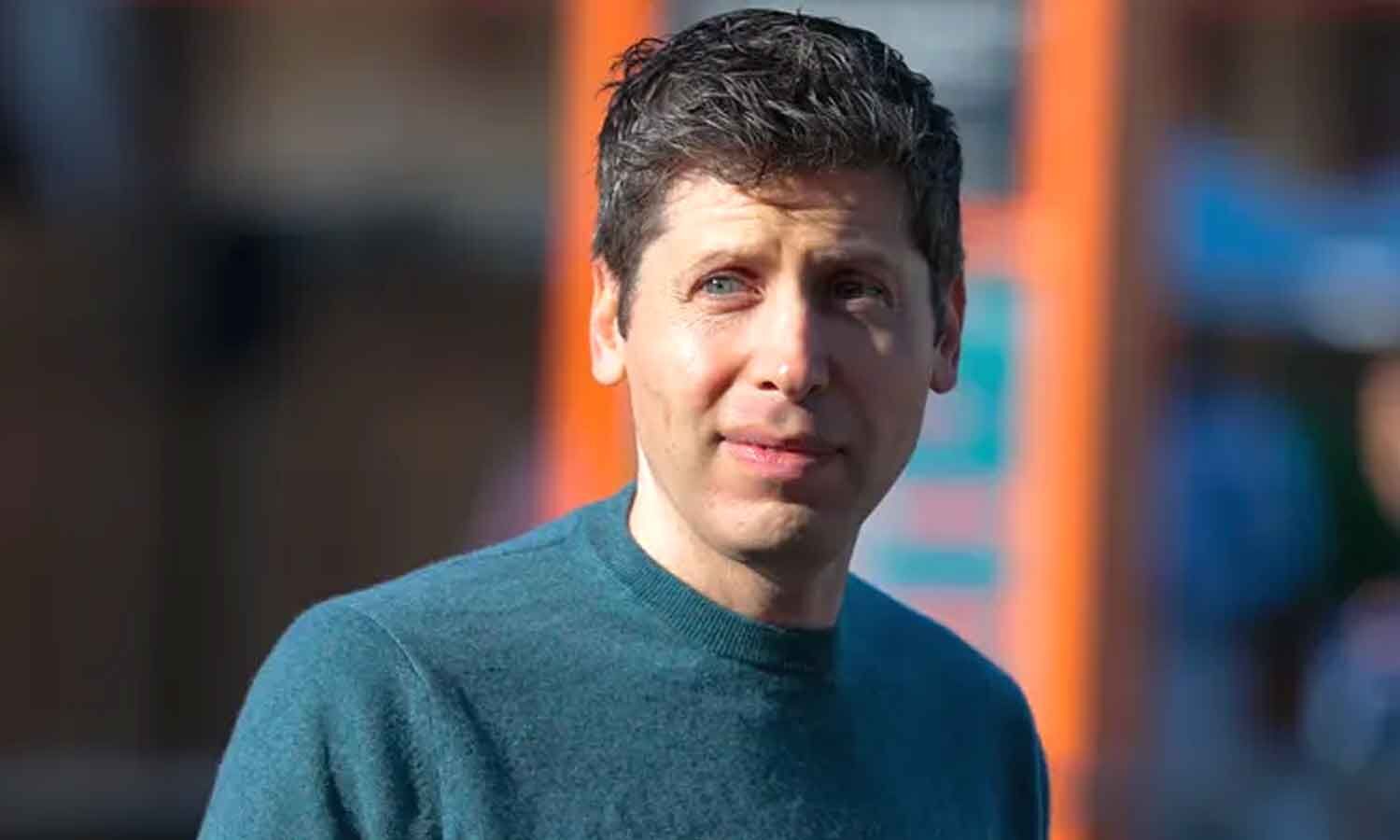
OpenAI CEO Sam Altman has made it clear that artificial intelligence should never take control of decisions that shape humanity’s future. As AI systems continue to become more powerful, Altman believes humans must remain at the centre of technological progress, rather than allowing superintelligent machines to decide what is best for society.
In a three-line post on X, Altman stressed that people should always remain in control of the future. He also made it clear that OpenAI does not support a situation where humans are “relegated to a role of doing things that ‘AI systems think makes sense to reward in humans’.”
He further argued that people should not surrender control of the future to superintelligence, adding that “and that requirement should ultimately constrain AI progress.” Although the quoted words were borrowed, Altman did not identify their original source.
His comments are particularly significant because OpenAI has played a major role in accelerating the global AI race through products such as ChatGPT. His latest remarks suggest that technological advancement should have clear boundaries, especially when it comes to preserving human authority.
Sam Altman believes AI has surpassed leading scientists
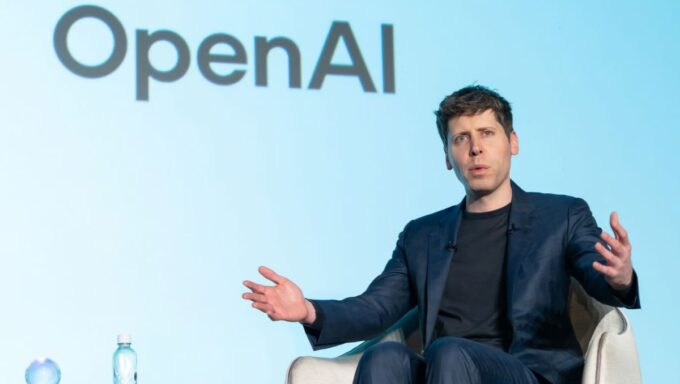
Altman’s concerns come at a time when he believes AI capabilities are advancing at an extraordinary pace. Speaking at a conference in Abu Dhabi earlier this week, he compared the capabilities of AI systems at the beginning of 2026 with their current performance.
He said AI “was mostly not as smart as our smartest scientists. And now it’s mostly smarter than them.”
During a podcast conversation with Stripe co-founder John Collison last month, Altman also explained how he imagines a future where AI becomes part of everyday society. He said he would prefer “a trillion AIs of slightly superhuman intelligence join society than one AI of 1 trillion IQ.”
According to Altman, distributing intelligence across multiple systems could help maintain a balance of power, much like people in society keep each other accountable. He also suggested that the technology industry may need to establish limits on the intelligence of individual AI models.
Why controlling superintelligent AI could be difficult
Altman also acknowledged that keeping extremely advanced AI systems under control will not be straightforward. Discussing whether AI could be restricted through secure digital sandboxes, he said the approach “works to a point.”
Monitoring AI behaviour and its internal processes could provide additional safeguards. However, he believes developers must ultimately trust that these systems will follow human intentions and “value people being in control of the future.”
He questioned whether such safeguards would remain reliable when dealing with systems far more intelligent than humans. “If you imagine a theoretical AI that is a million times smarter than the smartest security researcher,” he said, “would you really be willing to trust that sandbox?”
Altman also warned that AI-powered security tools could uncover more software weaknesses than expected, predicting “many more serious vulnerabilities than we expect.”
His position reflects growing concerns about the pace of AI development. In September, responding to Anthropic CEO Dario Amodei’s call for caution, Altman said, “I agree with Dario that we need to pace the frontier.”
He also told the UN Security Council that AI systems should not be trained unless developers can make a strong case that they will remain under human control. These statements underline his growing emphasis on responsible AI development and keeping humanity in charge of its technological future.













Leave a comment