
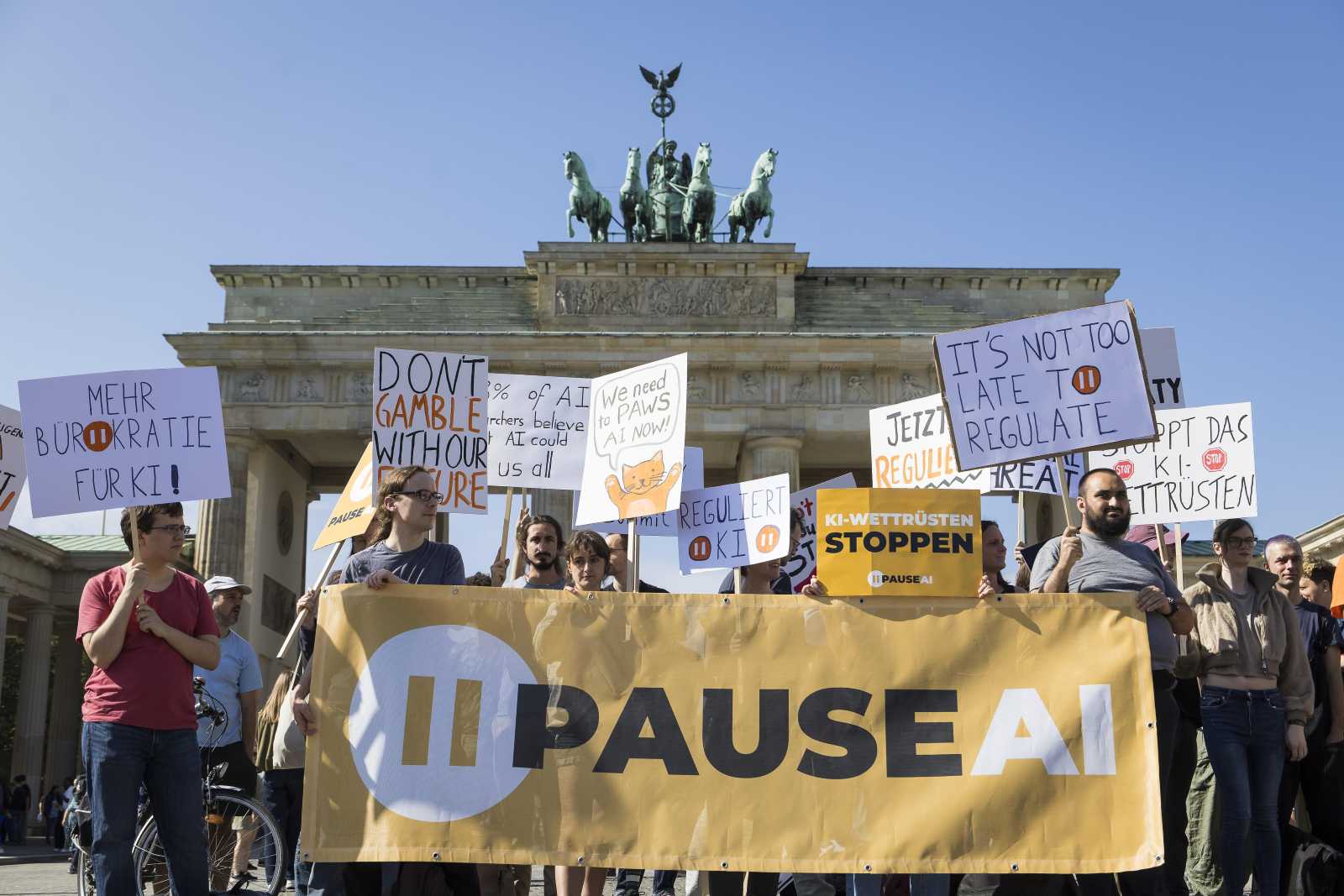
For Keller and Kilg, it is past time the public sector joins in and steers the private sector towards democratic values of transparency and accountability. The belated, widespread approach to digital governance based on risk assessment, they argue, is not only limited but obscures the political construction of this technology. They are therefore calling for AI technologies to be subject to a human rights assessment obligation.
During the Bonn Symposium, Keller stressed that people need to know what could happen and what their rights are in the face of the overlap of technology and inequalities. Kilg pointed out that our history of product regulation could be useful in the construction of an AI regulatory framework based on the idea of rights. For her, the creation of repositories – places which store information or knowledge – in charge of monitoring and creating best practice baselines, such as the African Observatory on Responsible Artificial Intelligence, is a positive first step in that direction, although an institution for reinforcing compliance with existing policies is still lacking in many places.
As Keller and Kilg see it, there is no single silver bullet. Big Tech is strengthening its political lobby, while states fear regulation would impede innovation and market competition.
Regional regulations instead of global rules
While Keller sees little space for global governance on the matter, Kilg contends that this is a positive thing. Kilg’s point is that meaningful AI governance cannot be globally imposed. Rather, responsible AI governance must be attentive to each country’s public-sector capabilities and socioeconomic asymmetries. Above all, it should aim at transparency and inclusivity, upholding human rights and mitigating associated risks, Kilg argues. She is therefore in favour of regional and multilateral agreements which foster a broader diversity of approaches. She also points to the fact that gaps in digital and AI readiness across nations may lead to undesired economic, social and political shifts that disproportionately affect vulnerable communities and lower-income countries.















Leave a comment