
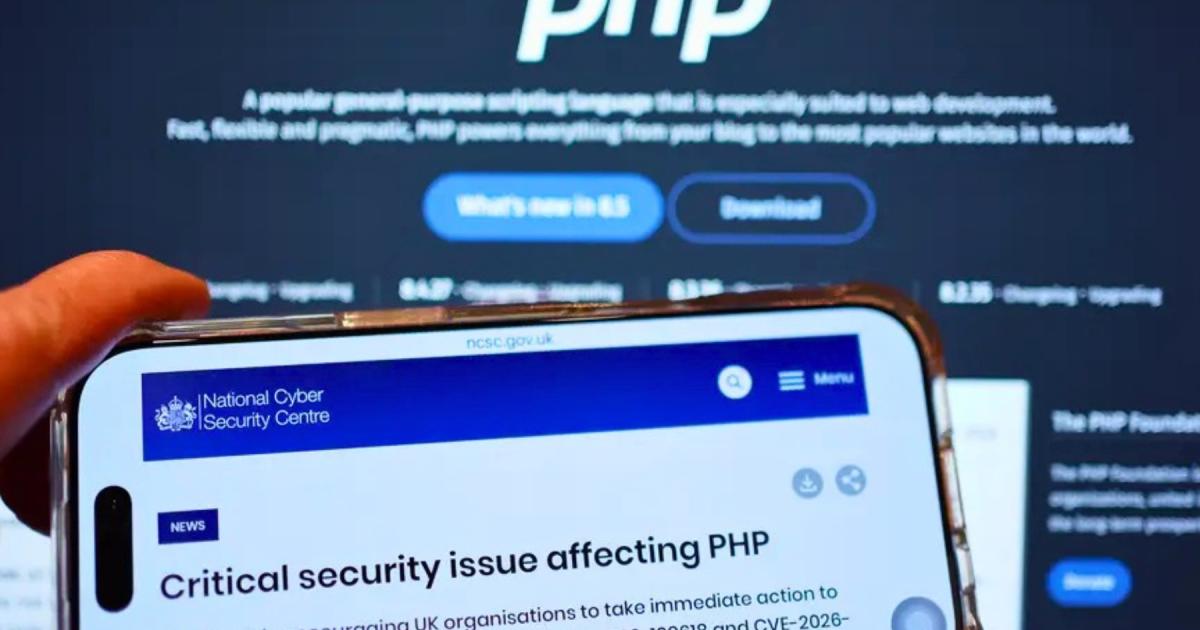
It follows the discovery of a critical security flaw in the programming language PHP used by the majority of websites.
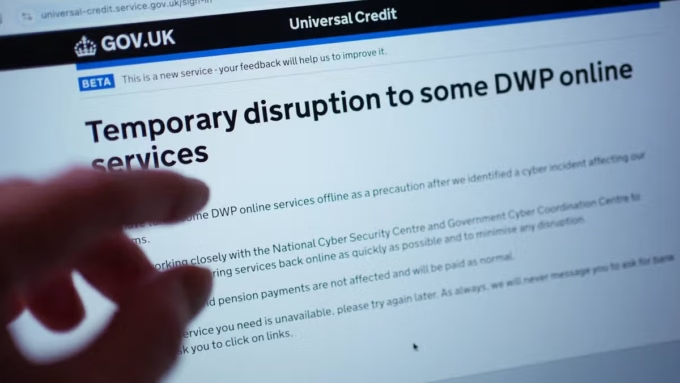
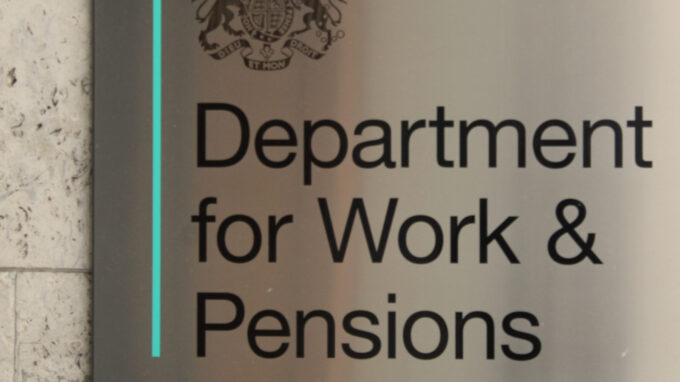
Downing Street on Thursday said no large UK public-facing critical services have been affected, but some “limited” government websites have gone dark while issues are resolved.
The National Cyber Security Centre (NCSC) is working with OpenAI, the company whose technology helped identify the vulnerabilities, as well as international partners.
Have government services been hacked?
Tech minister Baroness Lloyd of Effra told the House of Lords: “The information I have is that 32 government services are unavailable and four are partially unavailable.”
She added that it “has largely resulted from precautionary measures taken to protect systems while security updates and mitigations are applied.”
The Downing Street spokeswoman said: “Work has already taken place across government to identify and fix potential exposures to our systems, and our experts are continuing to work closely with both OpenAI and international partners on this issue.
“No large public-facing critical services are being affected by the exercise, but some limited services may temporarily be offline while security work is carried out.
“But this does not mean they were hacked, and work continues to resolve any issues.”
The spokeswoman declined to provide a list of the affected services, stating it was not “standard practice” to do so.
The NCSC has issued an update to the PHP alert reflecting the release of mitigations. We encourage UK organisations to take immediate action. For more information on the issue as well as our guidance, head to⬇️ https://t.co/l6TDtVurJN https://t.co/yuApSzlwSH
— NCSC UK (@NCSC) October 21, 2026
It came after cybersecurity chiefs warned UK organisations on Wednesday that a “critical security issue” had been discovered in PHP, which is used by almost 70% of websites according to cybersecurity firm Cloudflare.
Lady Lloyd said the NCSC was briefed by OpenAI on the vulnerability “last week” and “the government acted proactively ahead of public disclosure”.
The NCSC has advised organisations to upgrade to a new, fixed version of the PHP software or take their websites offline if immediate updates are not possible.
The No 10 spokeswoman said: “Organisations of all sizes should follow NCSC guidance to protect their system.”
Scottish Secretary Douglas Alexander was asked whether the vulnerability could compromise the security of next week’s Budget, particularly since the Office for Budget Responsibility (OBR) had to take down its website.
Mr Alexander told Times Radio: “No, I’ve had no indication whatsoever that there’s any problem in terms of a breach of Budget security.
“Indeed John Healey, who I was with yesterday in Scotland, as I understand it, initiated new security protocols reflecting his experience in the Ministry of Defence when he came to the Treasury as Chancellor in the summer.”
Recommended reading:
Last year, the OBR’s budget analysis was mistakenly published online ahead of then-Chancellor Rachel Reeves’s statement to the Commons, allowing for early access to market-sensitive information.
The PHP vulnerability could allow attackers to remotely control any web servers running PHP, which underpins popular platforms such as WordPress and Magento.
Amazon and Cloudflare reported that many attempts to exploit the flaw were detected within hours of it becoming public.
Amazon Web Services said in a security blog update that its threat intelligence team found the flaw was “now being broadly exploited in the wild.”












Leave a comment