
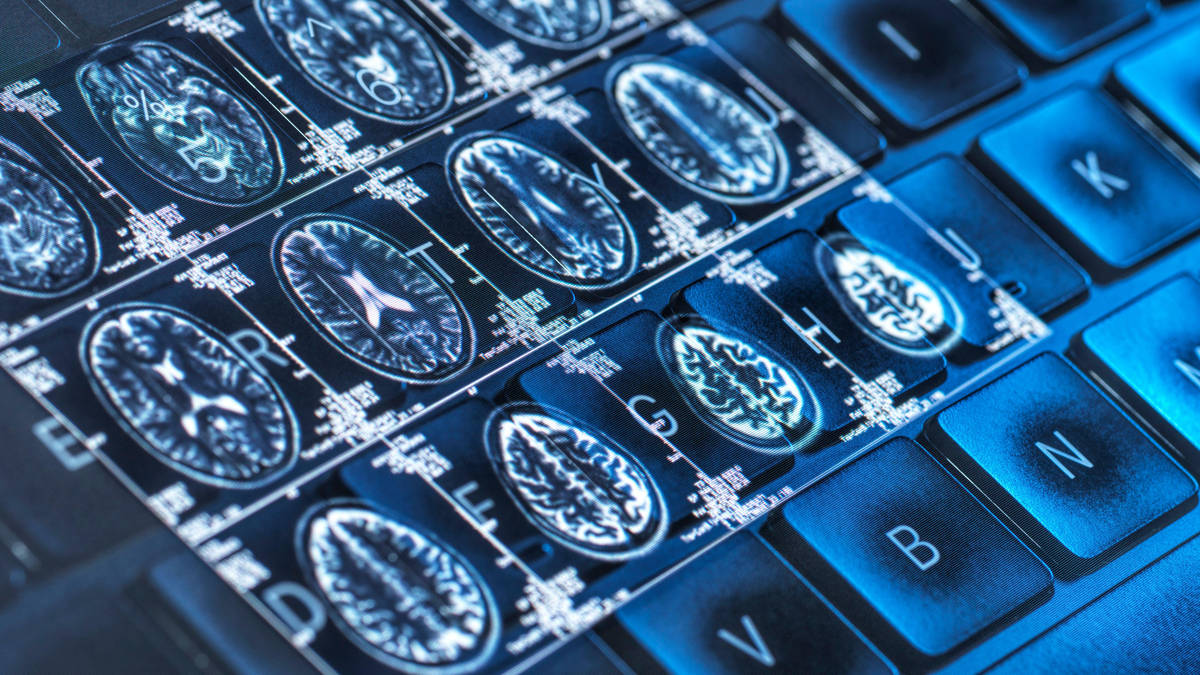
The Institute, based in Edinburgh, is also building a database of people with conditions including Parkinson’s, Dementia and MND.
Clinicians gather iris scans and voice recordings and use the AI to wade through masses of data to spot signs of change that could be early warning signs.
Blood samples are also collected from volunteer patients to cultivate stem cells, which existing drugs are then tested on using both robots, traditional lab equipment and computer algorithms.
Algorithms will work to identify drugs that could convert the neurological disease signature into a healthy one, and suggest them for clinical trials on humans.
So far, around 1,500 drugs have been developed and approved to treat other conditions, but there are hopes that there may already be existing drugs that could be found to be effective on the brain.
Institute chief executive Prof Siddarthan Chandran said that dealing with the brain – “the most complicated organ in the body” – was particularly challenging, and had high hopes for the new tech.
“A combination of AI and new technologies mean we can now do things which would have been unbelievable when I was at medical school.”














Leave a comment