
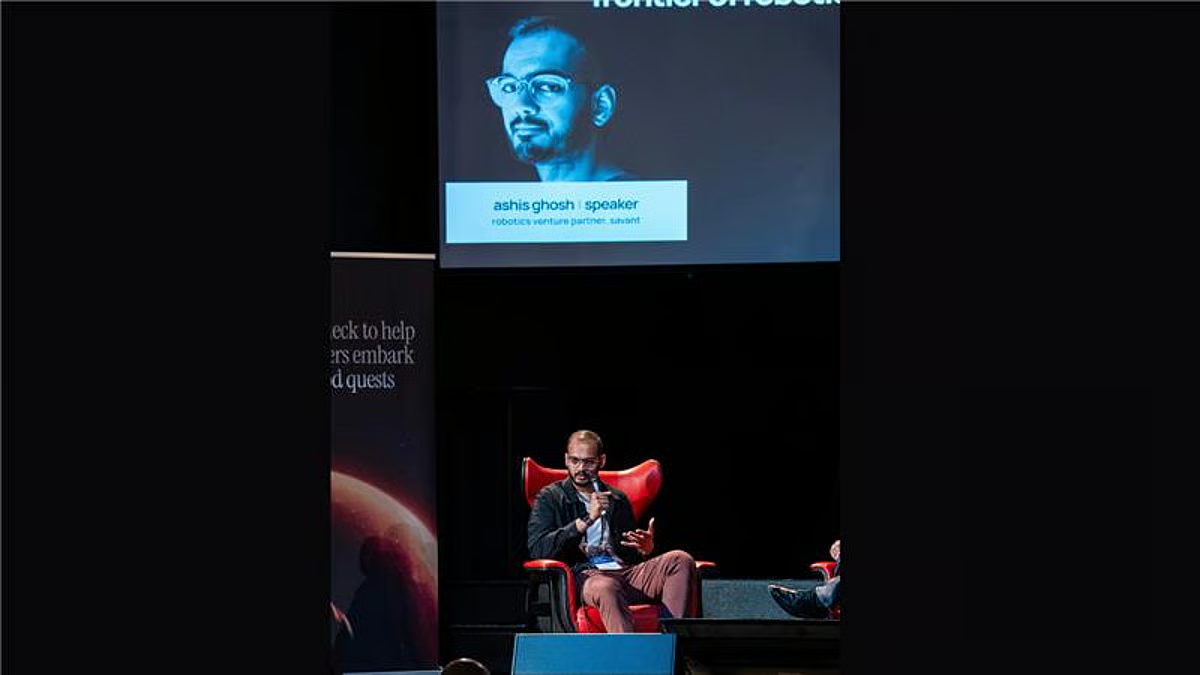
A key engineering decision was designing the platform with a bill of materials around $10,000, dramatically lower than many robotics research platforms. This allowed the company to test and deploy the system repeatedly in commercial environments rather than limiting development to controlled demonstrations.
The robots were deployed in hospitality environments including properties associated with Sheraton and Hilton. Over time the systems accumulated more than 13,000 hours of commercial cleaning operations across deployments in the United States and with international customers. These deployments demonstrated that mobile manipulation systems could operate reliably in real service environments while generating revenue through commercial use.
The challenge of transferring service robots from the research lab to operational status is difficult due to the variability of work environments, such as hotels, where many factors are constantly changing or occur unexpectedly, such as variations in light levels; obstacles that are created because the environment and/or people within it can change at any time; and people moving. Therefore, when engineers build robots to meet these demands, they need to incorporate all four elements into one operational system: perception, navigation, manipulation, and safety.













Leave a comment