

Artificial intelligence-powered virtual legal assistants are set to be introduced across Crown Courts in the UK, the government has announced, in a bid to alleviate the mounting backlog of cases. Ministers assert that the new technology will significantly accelerate legal proceedings.
The Ministry of Justice (MoJ) confirmed that these AI assistants will undergo trials in controlled environments before being deployed for use by judges and lawyers. Additionally, judges will gain access to an AI tool designed to identify trial-ready cases and consolidate similar hearings, optimising already strained court time.
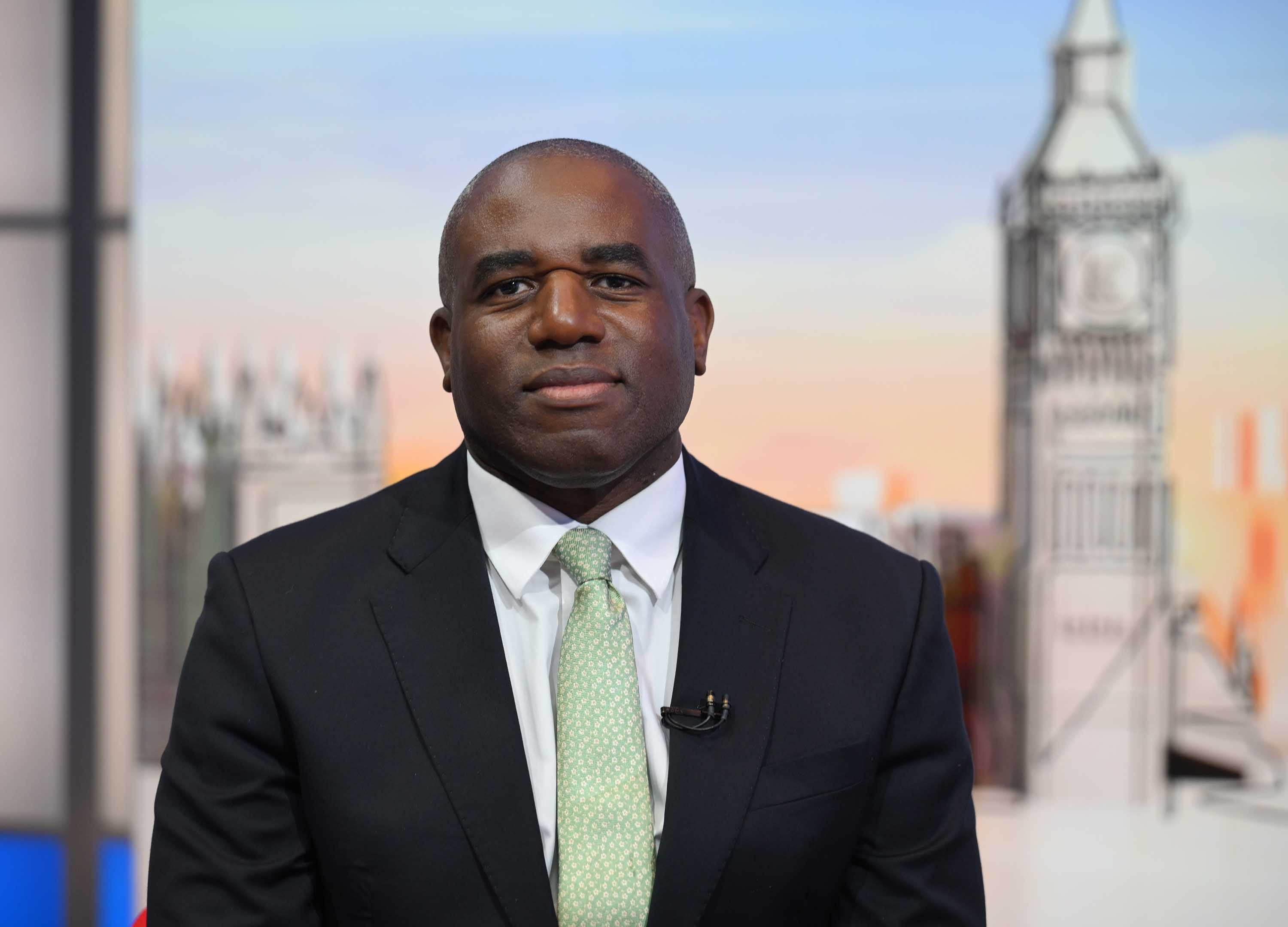
Deputy Prime Minister David Lammy is expected to unveil the initiative at London Tech Week on Tuesday, where he will champion AI as a catalyst for modernising the criminal justice system.
Mr Lammy stated: “Artificial intelligence has the power to transform how we live, work, and govern for the better. This impact for good can be seen in our justice system – with thousands of days of admin work saved for our probation staff, and the advent of new tools which aim to cut court backlogs and deliver swifter justice for victims.”
The former barrister is also slated to announce that probation officers in England and Wales will be equipped with an AI tool capable of automatically recording and transcribing conversations with offenders.
The move comes as the Crown Court backlog in England and Wales reached a record high of over 80,000 cases earlier this year, more than double the 38,108 cases recorded in 2019 before the coronavirus pandemic.
Figures obtained by the Press Association through freedom of information requests revealed that 2,600 Crown Court trials are not listed until at least 2028, with 29 not scheduled until 2030. The government has also outlined plans to scale back jury trials as part of its efforts to overhaul the justice system and reduce the backlog.
However, concerns have been voiced regarding the potential dangers of increasing AI integration within the legal system. The Law Society of England and Wales has urged the government to make the outcomes of any AI assistant trials publicly available.
Ian Jeffery, chief executive of the Law Society, commented: “We welcome the MoJ’s acknowledgement of the importance of ensuring safe and ethical use of any new tools, including AI. However, for the use of AI in the Crown Court to be effective, the pilot must be thoroughly evaluated. The outcomes of these evaluations, along with the impact of AI on the justice system, should be made public. While new technology should enhance access to justice, it cannot replace vital funding and additional court staff. Robust safeguards are needed to protect us all and preserve the integrity of the justice system.”
These warnings follow a review into the banning of Maccabi Tel Aviv football fans from an Aston Villa match in November, which found that an “AI hallucination” produced by Microsoft Copilot had contributed to police justification for the ban. The error led to a non-existent game between Tel Aviv and West Ham being referenced in a police report prior to the fixture.

Andrew Thomas KC, vice chair of the Criminal Bar Association, welcomed the introduction of AI tools, noting that many routine tasks “can be done quicker and more efficiently through the use of AI tools”. Yet, he also highlighted significant caveats.
Mr Thomas added: “There are obvious concerns: the key is to educate judges, criminal barristers and solicitors, and investigators on the safe use of AI, so that its limitations are properly understood by all. The quality of justice can never be watered down by taking risks or shortcuts. In criminal law, AI is never going to replace the need for skilled criminal barristers and solicitors as lawyers to review a case. Criminal law is all about human interactions. AI tools lack the social and emotional understanding reliably to identify the significance of every piece of evidence. As all lawyers know, the devil is always in the detail, and AI tools should not be used without checks and balances. There are plenty of examples of lawyers and judges from civil and even criminal work who have come unstuck from relying on AI-drafted documents without checking the veracity of the content.”















Leave a comment