
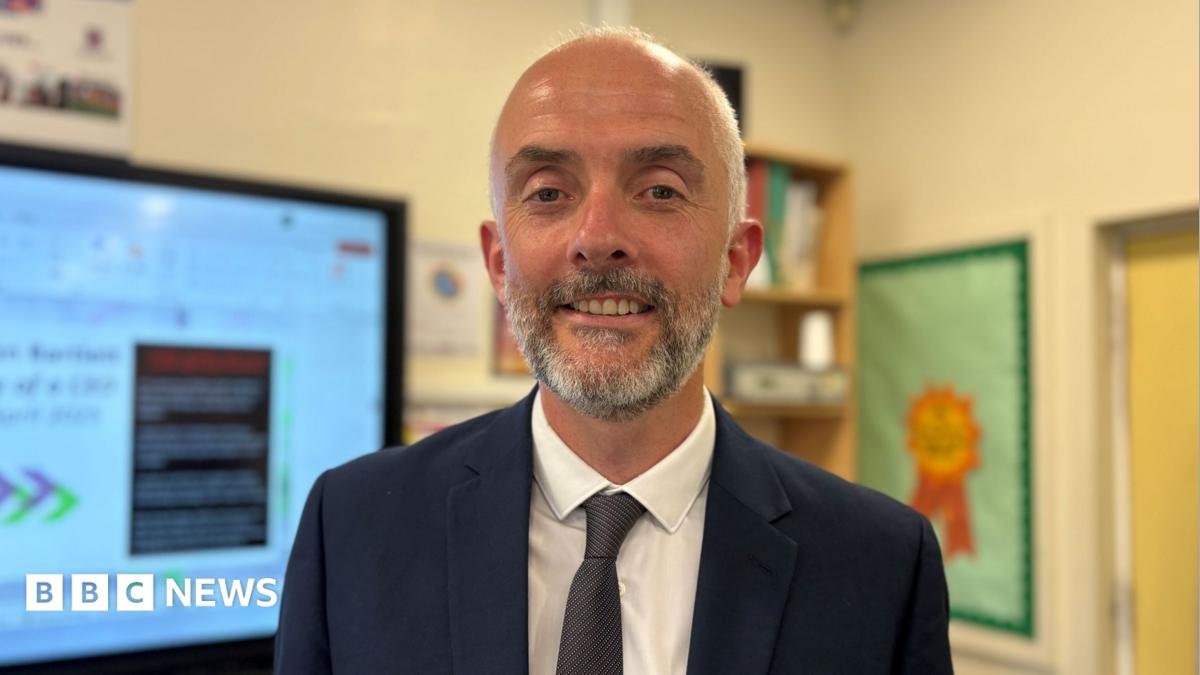
In one of his first lessons, pupils were shown a mixture of real and AI-generated images and asked to spot the fakes.
The result?
It was much harder than many expected.
Laycock says it’s becoming increasingly difficult by the day, highlighting the rapid advances in so-called deepfakes.
But identifying fake images is only part of the course.
Laycock also teaches pupils about “hallucinations” where AI confidently provides information it has made up.
“I think hallucination is actually a really bad word, but it basically makes stuff up,” he says.
“For a young person, if you don’t have what we call ‘foundational knowledge’ it might be hard for you to figure out whether something is a hallucination or whether it’s genuine.”
He says young people need to be taught to be sceptical of any AI output and then go and check it to determine whether it is a genuine fact.
Another danger is “anthropomorphisation”, where people treat chatbots like trusted friends or experts simply because they sound human.
“It has human-like qualities but actually this is just a machine,” Laycock says.
“And for a young person, in particular, that is actually a really difficult thing to keep in perspective all the time.”














Leave a comment