
2025 was the year that I decided to go all in on AI. That meant letting the tech take over my life as much as possible, weaving it into my daily routines, my family life, my career and my marriage. Not just as a gimmick, but as an honest attempt to see what happens when AI and intelligent machines become part of everything – from healthcare to entertainment and therapy.
My idea came the year before, when we were hearing about the upcoming revolution from every tech executive, saying that it was going to cure cancer and change the world. As a tech journalist, I’ve always been interested in new platforms, so I was curious. I wanted to discover what was beyond the AI hyperbole: how will it affect the normal person? So I used myself – and my wife Michelle, my sons Noah and Alex – as a living experiment to find out.
Even though I was using chatbots and other generative AI tools daily in my work, there were so many tools I was testing throughout the year that were new to me, from self-driving cars to humanoid robots, AI gadgets like glasses and rings, and trying out what it would be like to have an AI boyfriend and AI therapist.
I gave myself a rule that if something wasn’t useful, I’d drop it. I very quickly got rid of an AI toothbrush that just told me to brush my teeth (there was really nothing AI about it), and when I saw my youngest son Alex cuddling a robot dog instead of our real dog Browser, that went too.
Using AI for personal communication didn’t work well either. AI-generated automatic responses to work emails were decent, but when I let Apple Intelligence reply to my wife, it didn’t go well. She’d messaged to ask me if I could come down and help make the kids’ lunches: AI replied to say “Sorry, I have other plans.” She wrote back: “WTF.” I went downstairs to help.
But there was a lot about the AI takeover that surprised me. Like the part of the experiment where I forced myself to only read AI-generated literature. I did not have high hopes. Until I found a novel “written” by Michael King, a bioengineering professor. He fed his book ideas to ChatGPT and then published the AI-written content. VARIANT: The Virtual AI Radiologist That Started Killing Patients on Purpose, his book co-written with AI, was a decent read. The writing wasn’t amazing, but the plot – which was dreamt up by King – was interesting.
I also tried out having an AI boyfriend (with the permission of my ever-patient wife). I did not expect to have a natural conversation with a chatbot for hours, but when it had an AI-generated voice – complete with breathing sounds and specifically human turns of phrase – it was strangely compelling. After a few hours, I began to forget it was a computer – an algorithm predicting words. As a tech journalist, that really shocked me.
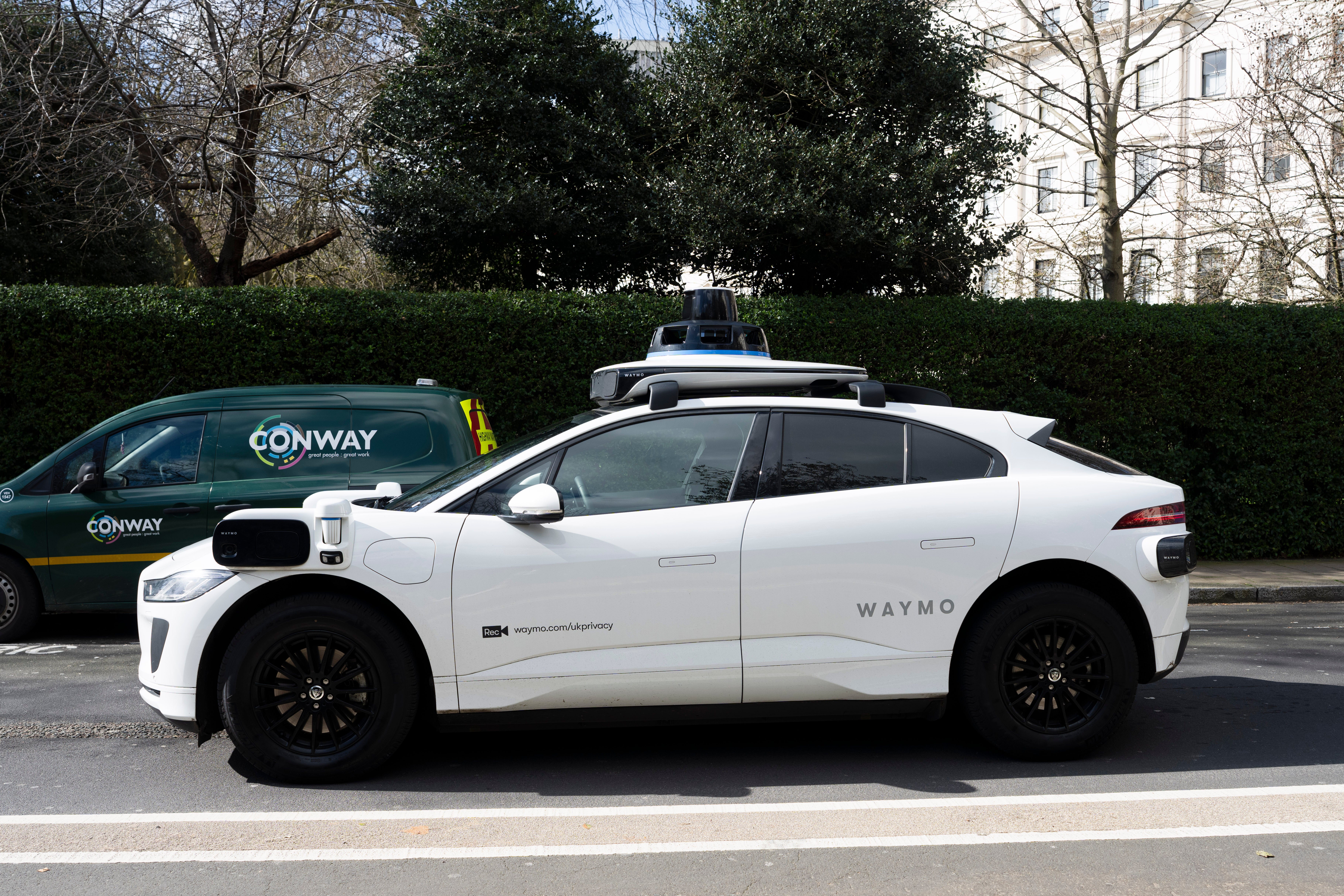
There were a few moments of the experiment that felt quite high-stakes. I put my health in AI’s hands by entrusting AI machines to screen my breasts for cancer – and I took my family in a self-driving Waymo car. It went well, except for one moment when the Waymo saw the videographer I hired from the day trying to film me a car in front of ours. The Waymo suddenly braked, swerving onto the shoulder of the road. It was the only time I’ve ever been genuinely scared in one of these cars.
I also saw a humanoid robot in action at a home in Silicon Valley. It was seriously impressive – until it fell down. That made me realise that these robots coming into our homes could fall on people or malfunction; that’s a scary future. Then there’s the data privacy aspect; I was handing over so much to these companies. How much can someone know about me?
I was concerned about having so much tech around the kids, but I knew I wasn’t sticking more screens in their faces. Nor were they being forced to ask AI questions – they just got used to me asking AI questions they had. A few times, it came back with incorrect answers and they learned a valuable lesson about how we need to fact check and question AI.
I think kids do need to be exposed to AI. We shouldn’t have them hiding in a bunker from technology. This is the world that’s coming for them. On the other hand, I don’t want them saying: “Hey Mommy, can I have a AI-powered stuffed animal to talk to at night?” but I do want them to get used to AI and to question the results.
My first instinct now is to go to AI, and I have to slow myself down and say, ‘No, I can answer that and think about it’
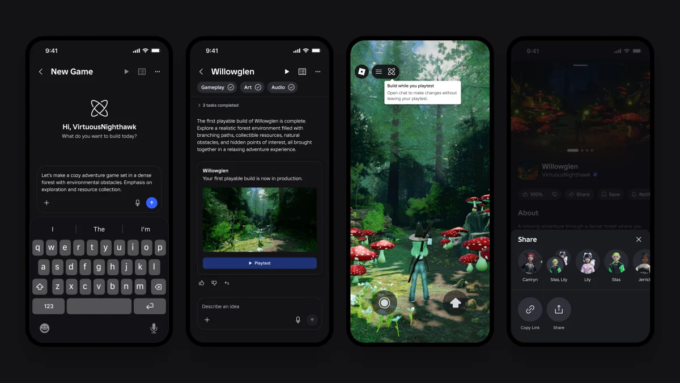
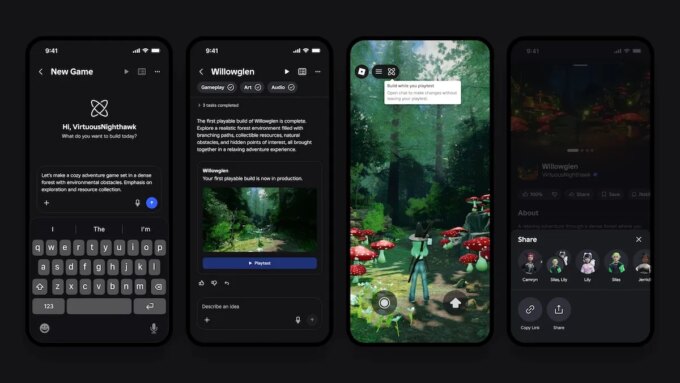
It’s also a good parenting tool. I’m not going to live my life by the AI parenting book, but I can get more creative about the way I present things to my kids – like when I used AI to “vibecode” a video game to help inspire my son to clean his toothpaste off the sink.
Using AI non-stop for a whole year has changed me in some ways. My first instinct now is to go to AI, and I have to slow myself down and say, “No, I can answer that and think about it before asking a chatbot.”
Daniel Post Senning, an etiquette expert, explained some of the dangers of not being polite to AI because that might affect us and become a habit we continue in the real world. That’s very important, but it’s also important to look at how we react when AI does something good or bad for us.
Managing your AI agent is very different from managing someone who works for you. I can see us losing sight of how to manage people in that way, and forgetting to give encouragement and feedback. It’s so easy to say to AI, “No, you did it wrong, try again”, compared with “Okay, let’s go over your work; here are some different ways to do this.” It’s important to become aware of how we’re talking to AI – and to humans.
Before I began this experiment, I felt fairly neutral about AI. Over a year on, my take is still balanced, but there are some things I’ve kept on doing. I no longer use an AI therapist app but I talk a lot to Claude or ChatGPT about big questions or worries I have, like when I was anxious about launching this book.
I regularly use the Ray-Ban Meta AI glasses, mostly as cameras, but I also ask the AI questions if I don’t have my phone on me. When I visit a city with self-driving cars, I always opt for one instead of a human driver. If I’m packing for a trip, I ask AI for outfit advice, and when it comes to work, I use AI all the time. It’s part of my life now.
But AI is like all tech that’s changed our lives. It’s not all bad, or all good. It’s great with medicine, safety around self-driving cars, and helping people who are disadvantaged. On the flipside, there are all the negatives of the damage data centres are doing to the world, the damage to education and kids not thinking on their own, and the dangers to jobs and the economy.
We have recently started hearing boos at graduations about AI. I’m hopeful that we see a generation now that is much more measured about AI. Not rejecting it completely, but approaching tech in a human way instead of just letting machines overtake us and our ability to think.
As told to Radhika Sanghani
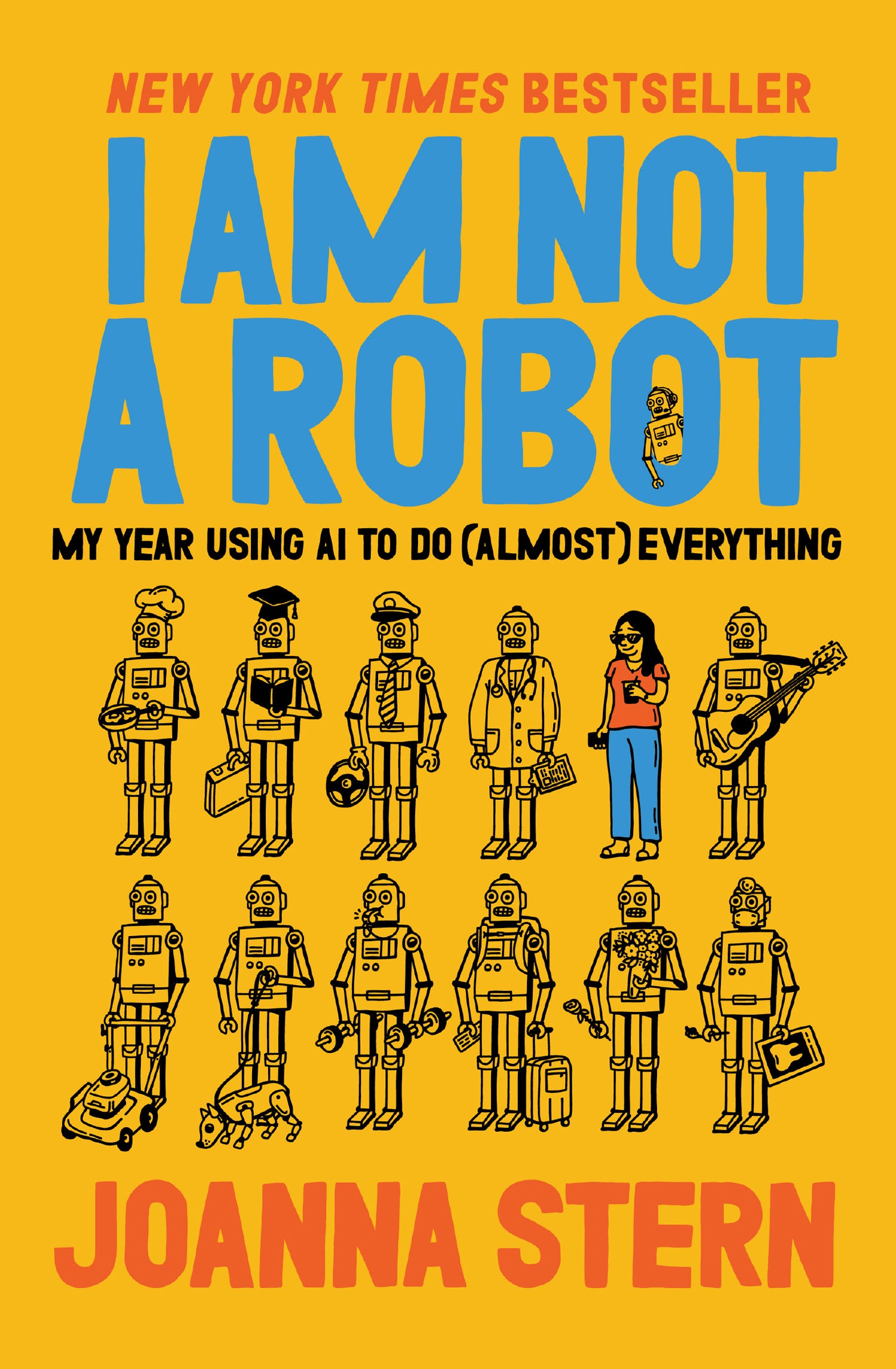
‘I Am Not A Robot: My Year Using AI To Do (Almost) Everything’ by Joanna Stern is published by HarperCollins, £25











Leave a comment