






Related Articles

Artificial intelligence
Report: Microsoft Withdraws from UK AI Data Center Project | Reason: Power Connection Issues
In three lines The British newspaper The Telegraph and others reported that...
Artificial intelligence
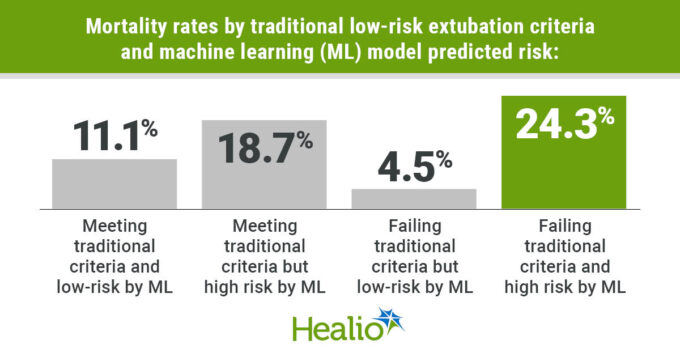
Machine learning finds patients with high-risk extubation failure
October 19, 2026 4 min read Add topic to...

Artificial intelligence
Intel seeks FCC exemption for foreign robotic equipment amid ban
Intel has asked the Federal Communications Commission for an expedited waiver. The...
Artificial intelligence
SpaceX stock may stay flat through 2027 despite 92% revenue growth and AI expansion
SpaceX, Elon Musk’s space and technology company, made history in June with...






Leave a comment