
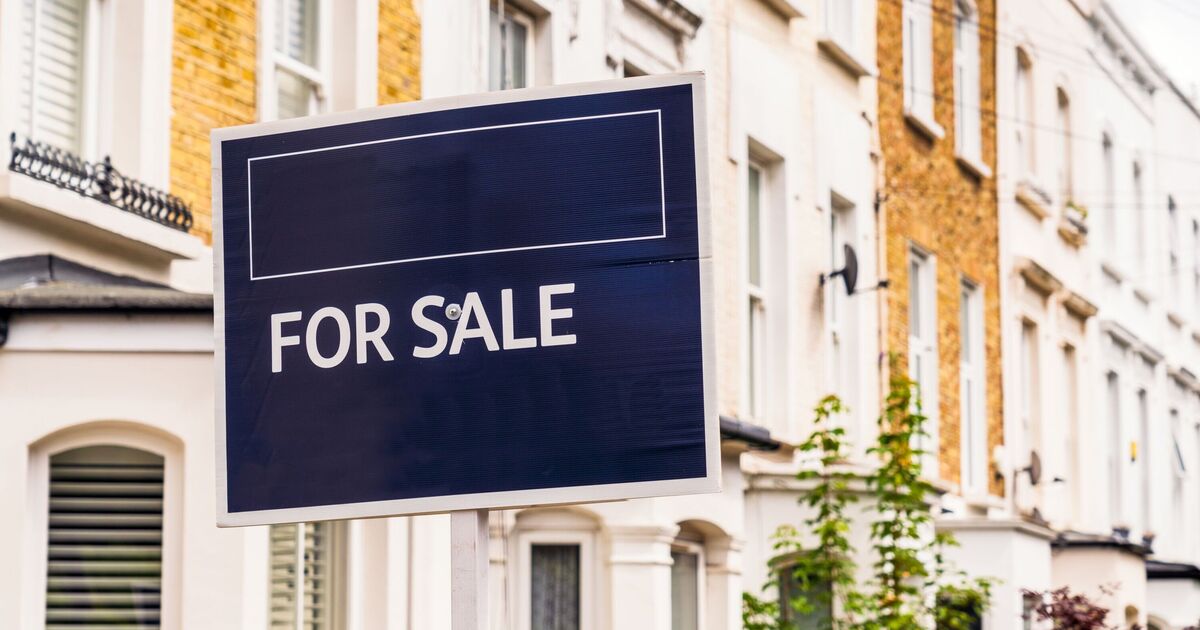

House prices have dropped in some parts of the UK. (Image: Getty)
House prices have plunged dramatically in some previously sought-after UK areas, with some spots dropping in value by as much as 60%. The reasons for the plunges vary, but some drivers include tax pressures, wealth outflows, and local economic downturns.
Although UK house prices have not dropped overall during the last 12 months, some regions, including prime central London and parts of Southern England, have seen values fall. Soaring mortgage rates have added significant pressure on buyers’ budgets and reduced maximum borrowing capacities.
A new report from MG Timber and Online Marketing Surgery, which uses the latest data from the Office for National Statistics (ONS), shows that the average price of homes in Notting Dale, London, has dropped from £1,285,000 in March 2025 to £520,000 in March 2026. This represents a 60% drop in one year.
The Five Ways South and Calthorpe Park area of Birmingham has seen a 51% drop in average house prices in the same time. The data show that homes had an average cost of £500,000 in March 2025, down to £245,000.
Elsewhere in the UK, Easington and Hawthorn, in County Durham, have seen average house prices drop by 37%, while Harraton, Rickleton and Fatfield have seen values fall by an average of 36%. In London, Shadwell North, in Tower Hamlets, has had 37% drop and Elephant and Castle, in Southwark, has dropped by 35%.
The latest data from the UK House Price Index shows that the average house price is £273,000. This number increases to £550,000 in London.
A spokesperson from Online Marketing Surgery told the Express: “This report shows how uneven the UK property market is right now, with median prices in Notting Dale, part of the affluent borough of Kensington and Chelsea, falling by 60%. It’s a clear reminder of how much location and demand can influence property values.”

Mortgage rates have risen in the last decade. (Image: Getty)
Matt Smith, a mortgage expert from RightMove, said there was an “uplift in buyer activity” across the nation last month. However, he explained how affordability remains a “significant challenge” due to mortgage rates.
He said: “Mortgage rates have risen again over the past month, adding further pressure to monthly budgets, and the uncertainty over what may happen to rates in the medium term is likely holding back some potential movers.
“There remains a good volume and range of mortgage products available to support borrowers across different deposit sizes, and although rate rises are never a good thing for buyers, they are at least more accustomed to elevated mortgage rates than a few years ago. Understanding your own personal affordability and how far you can stretch is really important in the current market.”
UK mortgage rates have more than doubled since 2015, moving from under 2% to between 5% and 6% this year. High mortgage rates make homes cheaper by reducing buyers’ purchasing power and lowering market demand.

Mortgage rates remain a ‘significant challenge’. (Image: Getty)
For example, a £1,200 monthly budget at a 4% mortgage rate supports a borrowing capacity of around £250,000. However, the same amount at a 7% rate only supports around £185,000.
Meanwhile, falling wages have also reduced the maximum mortgage amounts buyers can secure. This has led to a drop in house prices, as slower sales prompt sellers to accept aggressive discounts.
In high-end areas, such as central London, the proposed “mansion tax” has pushed down average house prices. It was previously predicted that average values fell by 11% in Kensington and Chelsea between May 2025 and May 2026.
Colleen Babcock, a property expert at RightMove, added: “Whilst almost two-thirds of homes are still successfully finding a buyer, the chances of selling vary significantly depending on where you live.
“Over 90% of homes that come to market for sale are selling in Scotland versus less than half in London, meaning those who want to sell will have to set their pricing according to local market conditions.”

Parts of London have seen the biggest drops. (Image: Getty)
The UK areas with the highest decreases in property prices
The following areas saw the highest drop in average property prices from March 2025 to March 2026.
- Notting Dale: £1,285,000 to £520,000 (60% drop)
- Five Ways South & Calthorpe Park: £500,000 to £245,000 (51% drop)
- Isles of Scilly: £565,000 to £315,500 (44% drop)
- Five Ways North: £195,000 to £121,000 (38% drop)
- Central Birmingham: £264,000 to £165,000 (38% drop)
- Easington & Hawthorne: £147,000 to £92,000 (37% drop)
- Shadwell North: £582,500 to £365,000 (37% drop)
- Harraton, Rickleton & Fatfield: £252,500 to £162,000 (36% drop)
- Elephant & Castle: £693,000 to £450,000 (35% drop)
- North Hyde & North Cranford: £482,500 to £315,000 (35% drop)















Leave a comment