
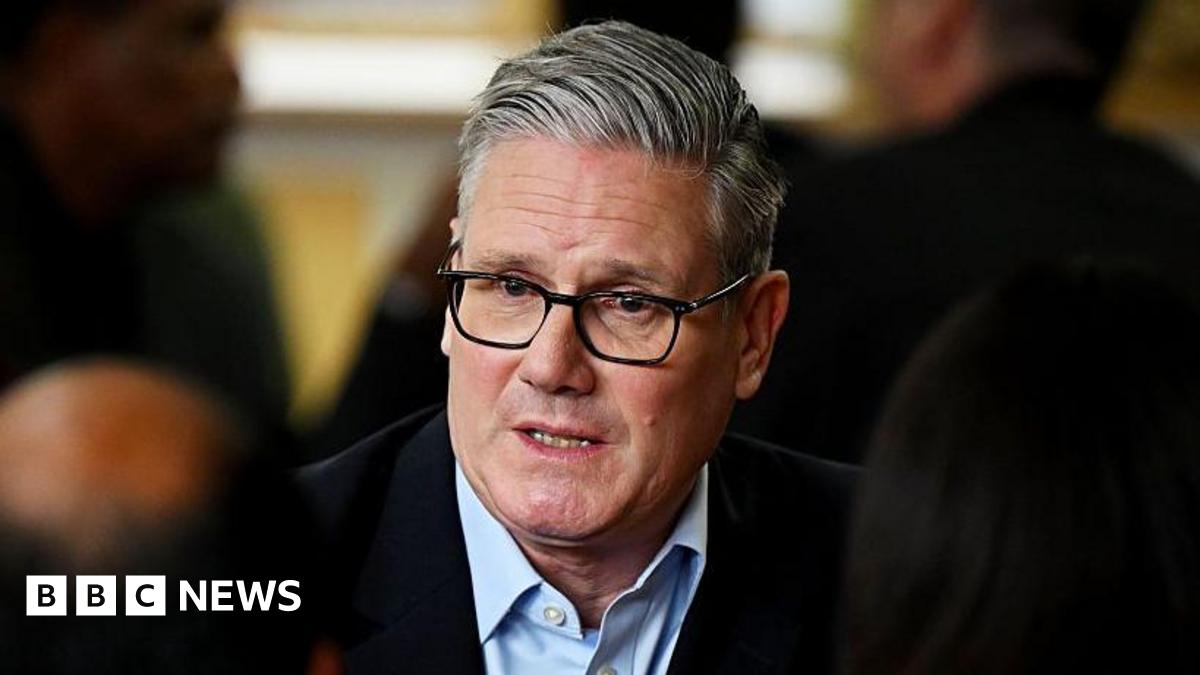
Analysts at Capital Economics said they believed UK borrowing costs would rise and the pound would weaken if there was a change at the top of the Labour party.
“The UK’s already fragile fiscal position means that investors will be on edge for any signs of fiscal loosening,” they said.
“The likely replacements for Starmer/Reeves would probably not be as fiscally disciplined.”
They suggested all frontrunners to potentially challenge Sir Keir – Andy Burnham, Angela Rayner and Wes Streeting – would “probably raise public spending”.
Anna Macdonald, investment strategy director at Hargreaves Lansdown, said the bond market had been “frazzled” by concerns a different prime miniter might take a different view on borrowing, “relaxing fiscal rules or extending them”.
“This would mean that investors, of which 25-30% are overseas buyers of UK government bonds, demand a higher risk premium,” she added.
Governments get most of their income from taxes, but often want to spend more money than taxes raise.
To cover that gap, they borrow money from investors and issue something called a bond or gilt, which is a loan the government promises to pay back at the end of an agreed time.
But a major area investors seek when lending governments money is a degree of certainty and confidence that they will get a return.
On Tuesday, borrowing costs – as shown by the bond yield, or interest rate – across two, five, 10 and 30-year terms were all higher as the prime minister’s future was in peril. The yield on 30-year bonds hit 5.80%, the highest since 1998.
The 10-year gilt is the benchmark for government bonds, while the two and five-year gilts have an influence on fixed-rate mortgage rates of the same time frame.
The amount of interest government pays on existing public debt is linked to inflation and interest rates on bonds. The sum has been rising in recent years and now accounts for about £1 in every £10 the government spends.















Leave a comment