
The nationwide surveyof 2,000 adults, commissioned by Abbott, found that more than a third (35%) feel so disconnected from technology they actively avoid it, while over two thirds (68%) have opted out of at least one type of technology entirely.
When this extends into health technology, the implications can be far more significant. Only 18%of UK adults say they feel completely up to speed with health tech and nearly a quarter (23%) admit they are not using it to its full potential, despite 86% agreeing it’s important to stay open to learning about new technology.
A nation overwhelmed by tech
This growing disengagement is not driven by disinterest, but by the pace of change. Nearly a third (32%) say technology is evolving too quickly to keep up with, despite the same proportion saying they are curious about new innovations. 1 For many, this tension results in a familiar response: switching off, opting out and sticking with what they know.
Crucially, this experience is widely shared across generations, with 18–24-year-olds the most likely to opt out completely (44%), compared with just 30% of those aged 55–64. 1 While 67% of Brits describe themselves as tech savvy, confidence does not always translate into action, particularly when technology feels fast-moving and difficult to navigate.1
Why falling behind on health tech matters
For many people, stepping back from technology comes with real‑world health consequences. Two in five (41%) UK adults report experiencing issues such as missed GP appointments, delayed prescriptions or difficulty completing essential tasks online1. These barriers become particularly concerning for people living with long-term health conditions.
The research reveals that nearly a quarter (24%) of people with a health or wellbeing need are not using technology to manage it, rising to 49% among people living with diabetes. 1 For the 4 million people living with Type 2 diabetes in the UK2, this means they may miss out on tools that could meaningfully support everyday management of their condition.
Awareness and confidence remain key barriers. Nearly two thirds (62%) of people living with a chronic condition say a healthcare professional has never suggested technology that could help them manage their health, while some are not even aware such tools exist. 1
Those who do engage with health technology report clear benefits. Around a third surveyed say it helps them feel more in control (34%), more confident (29%) and better able to manage their condition day to day (34%), with many wishing they had started sooner. 1
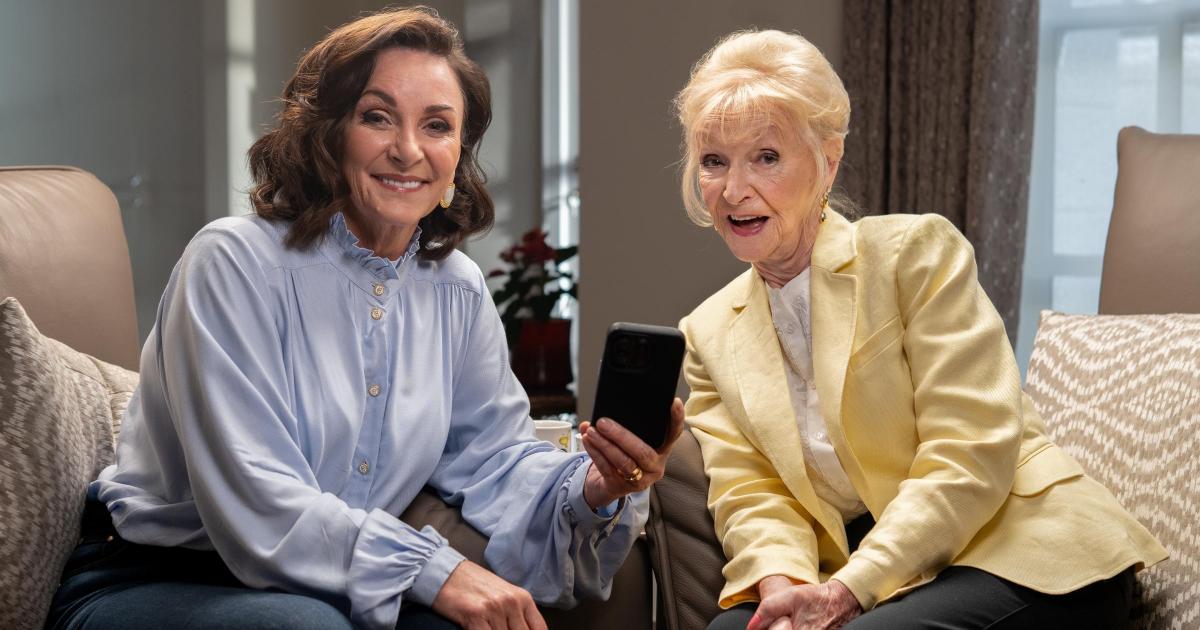
These insights are brought to life in the campaign’s hero film, where Shirley appears alongside her mother Audrey Rich, capturing the everyday realities of keeping pace with technology, from navigating new apps to the temptation to opt out altogether, a challenge that resonates widely.
















Leave a comment