
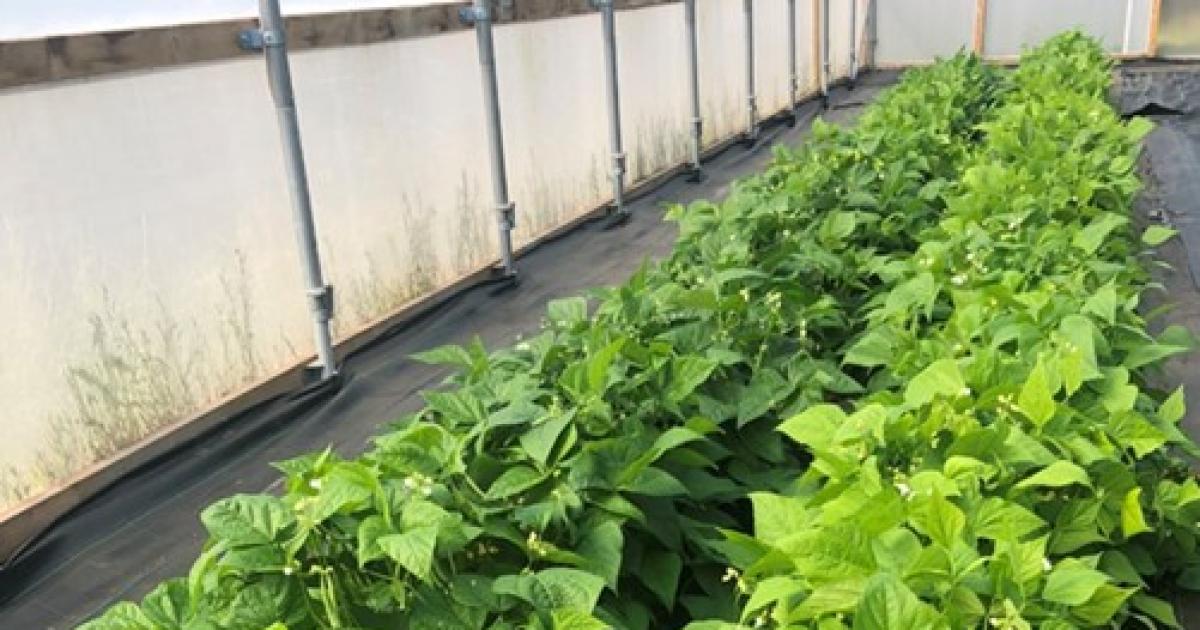
The Novel and Underutilised Crop Network (NUCNet), funded by UK Research and Innovation’s Biotechnology and Biological Sciences Research Council (UK Research and Innovation (UKRI) – Biotechnology and Biological Sciences Research Council (BBSRC)), is focused on turning lesser-known crops into practical, scalable options for a more resilient and diverse food system.
The idea is to move beyond seeing these crops as niche and instead build the research, partnerships and supply chain links needed to make them a realistic part of UK agriculture.
The network brings together researchers, growers, breeders, food businesses, policymakers and community groups, with an emphasis on practical collaboration across the sector.

It will sit alongside existing work at the Hutton’s key centres, including the International Barley Hub, the Advanced Plant Growth Centre and the National Alternative Protein Innovation Centre, linking genetics, agronomy, nutrition and commercial development.
Founding member and board representative for NUCNet at the Hutton, Professor Pete Lannetta said the crops involved should be seen as a core part of future food production.
He said: “Novel and underutilised crops must not be regarded simply as ‘nice to have’. They are essential components of our food future. They provide the germplasm and genetic diversity Scotland needs for better adapted crops, while also helping to re-empower local food systems and food cultures.
“This matters not only for food security, but also for significant commercial opportunities through short value chains, retail innovation, and links to Scotland’s powerful export and tourism industries.”
Work at the Hutton already includes a wide range of crops, from locally bred dwarf French beans and field beans to pulses such as green marbled lentils and black chickpeas. Research also covers heritage cereals including Bere barley and traditional wheats, alongside newer options such as Kernza, a perennial grain.
This is being developed with partners including Scottish island crofters, The Gaia Foundation, Scotland The Bread, and The Land Institute, alongside others working to reconnect crop diversity with farming communities and markets.
NUCNet will run workshops, farm open days, stakeholder sessions and focus groups. Members will also be able to help shape research priorities and flag barriers to adoption. Small grants will support early projects, while early career researchers will be offered travel and exchange opportunities.
The network comes as pressure builds on food systems from climate change, supply chain disruption, shifting diets and global instability. Supporters say expanding crop diversity could strengthen resilience while also opening up new market opportunities.
Scotland is seen as well placed to benefit, particularly through heritage grains, pulses and locally adapted crops that can add value through provenance and innovation.
Membership is open to anyone aged 18 and over across research, farming, food production, policy and community groups: https://forms.office.com/Pages/ResponsePage.aspx?id=-XhTSvQpPk2-iWadA62p2AfLPkKMkZBEhNXa6-_WVYNUNE1aTklVRFMwT1BRUlRGMExXN0wzNDZCQSQlQCN0PWcu















Leave a comment