
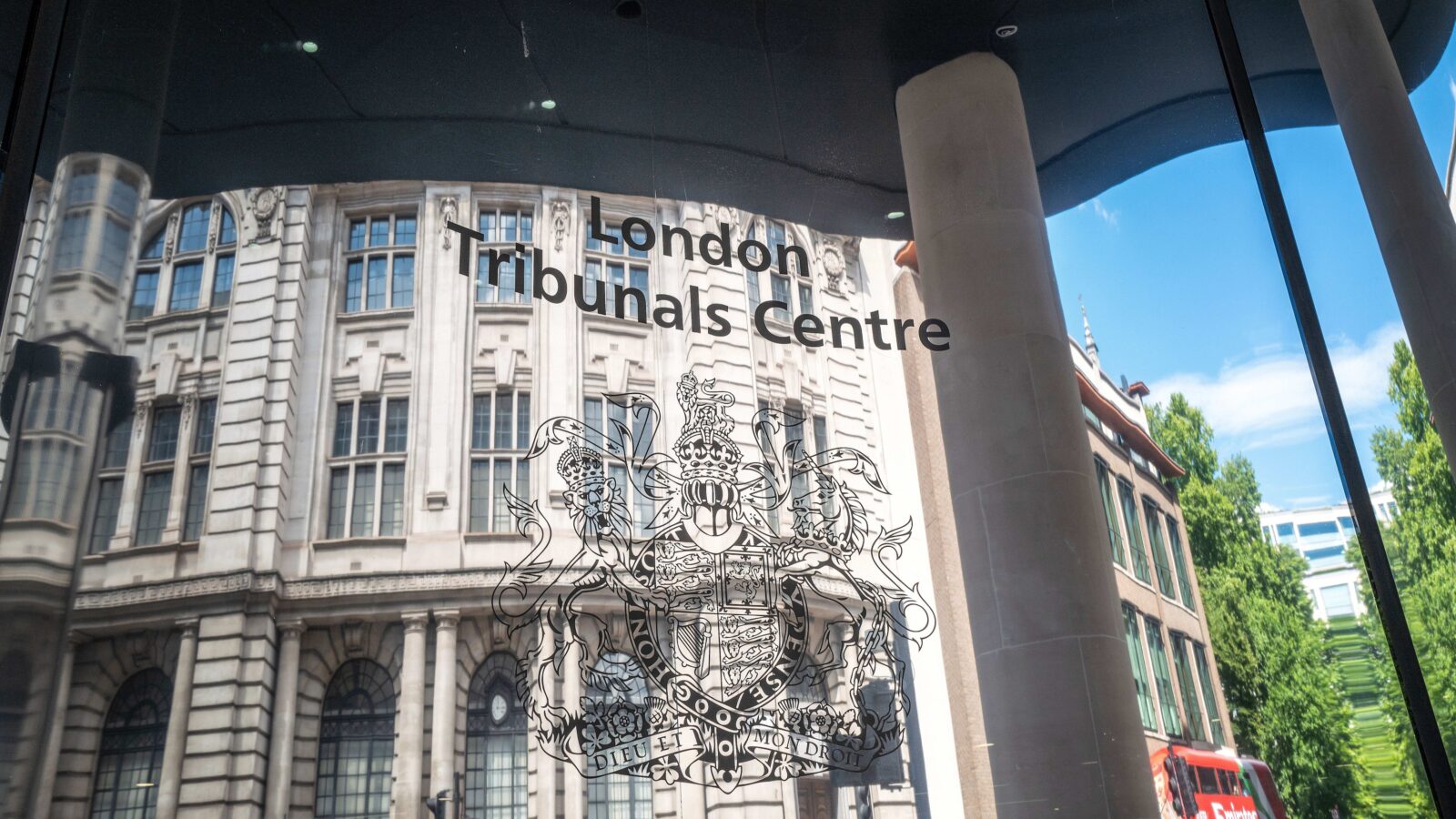
Lawyers warn that investment banks should brace themselves for a significant increase in tribunal claims due to the biggest reform of UK employment law “in a generation” being rolled out over the coming months.
From January 1 2027 the compensation cap on unfair dismissal will be removed while the amount of time a person has to be employed to take their former employer to tribunal is being shortened from two years to six months.
Before then, investment banks face tougher non-financial misconduct rules being introduced in September, followed by enhancements to the existing duty to prevent sexual harassment at work in October.
“These changes are coming into effect at a time when we are going through the biggest reform of employment law, certainly in a generation and possibly ever, so the ‘perfect storm’ analogy is real,” said A&O Shearman partner Gordon Bartlett.
According to Forsters partner Danielle Crawford, there are several reasons why the introduction of these rules is particularly acute for investment banks, such as the fact the sector is a high-pressure environment that creates increased risks of bullying.
She said that allegations involving senior rainmakers or revenue-generating staff can create tension between an investment bank’s commercial interests and behavioural expectations for its wider employees.
Institutions might have to weigh disciplining a senior banker who brings in a lot of revenue against the reputational damage of not doing so within the organisation, she continued.
Crawford noted that investment banks also have to consider how findings of non-financial misconduct against a senior banker could harm their future employment prospects at other lenders.
This could increase the chance of disgruntled people taking their former employer to tribunal in the hope they would be awarded higher compensation due to the revised unfair dismissal rules, she explained.
A recent case powerfully illustrated how disciplinary procedures at investment banks can affect future job prospects when a former Goldman Sachs compliance officer, Jonathan Reeves, successfully won £1.45mn in his tribunal case.
He was able to prove the stigma from his tribunal challenge to being fired over taking paternity leave resulted in lost earnings.
Crawford, who represented Reeves in the case, said that the question is when and not if investment banks fall foul of these incoming rules — and that creates a dilemma.
“If investment banks take too heavy an approach they may expose themselves to higher tribunal claims from former staff but if they are too lax they will be penalised by the Financial Conduct Authority,” she said.
Investment banks are concerned about the changes, according to Rob Mason, a former FCA regulator and senior risk manager at Lloyds and UBS.
However, there are measures they can take in advance of the tougher misconduct rules and revised unfair dismissal policies.
“Good quality reporting will be what the FCA is going to want to see, and is the best way that firms can evidence that they are taking all appropriate actions,” said Mason, now director of regulatory intelligence at Global Relay.
“If reports are lacking, that’s when firms may face more difficult questions.”
Crawford warned that investment banks will find it difficult to be consistent in how they approach cases of misconduct.
“A common criticism of the industry has been that powerful and profitable individuals are sometimes treated differently from others when misconduct allegations arise,” she said.
“Therefore I suspect the biggest challenge for investment banks will be the consistency of assessments.”














Leave a comment