

Speaking after Tata Consultancy Services‘ (TCS) April-June quarter of 2026 (Q1FY27) results, Katri said the industry is nearing an important turning point where new AI-led work could start offsetting the near-term revenue pressure caused by AI-driven efficiency gains.
“I think we are probably going to start seeing that during the next anywhere between six to 12 months. We’ll probably start seeing better growth for the sector,” Katri said.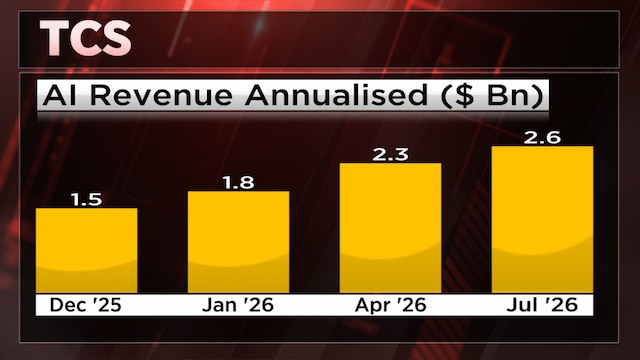
He explained that AI is still a small part of revenue for most IT services companies, with many generating less than 10% of their revenue from AI-related work. However, as more companies move from testing AI to deploying it across their businesses, AI could account for 20-30% of revenue, providing a meaningful boost to growth.
Katri also described TCS’ June quarter performance as stronger than expected, especially considering the weak sentiment around the IT sector in recent months. He pointed to healthy AI deal bookings, the company’s focus on combining human talent with AI, and an improvement in employee headcount after several quarters of declines as encouraging signs.
“So, I would characterise the quarter as better than feared, encouraging trends… one quarter obviously doesn’t make a trend,” he said.
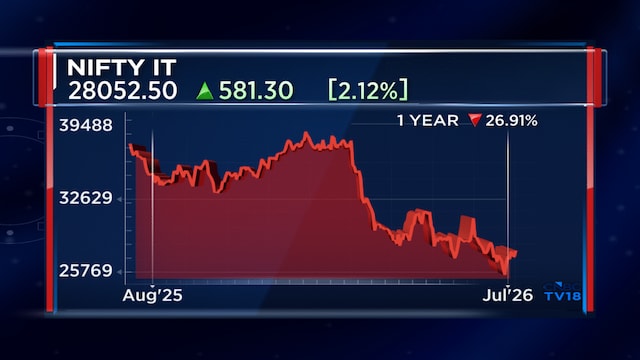
On concerns that companies such as Microsoft, Amazon and OpenAI could take away work from Indian IT firms by offering AI services directly to enterprises, Katri said those fears are overdone. He noted that building a technology platform is very different from running a large-scale services business, and enterprises continue to rely on established IT companies for implementation and integration.
“I don’t know if I would worry too much about this noise,” he said, adding that strong deal bookings across the sector suggest customer demand remains healthy.
Watch the full conversation here

Katri compared the current AI transition with the shift to cloud and digital technologies a decade ago. At that time, investors were worried that legacy businesses would shrink, but the move to cloud eventually created new opportunities in integration, implementation and transformation services. He believes AI is likely to follow a similar path.
He also said engineering research and development (ER&D) remains one of the strongest areas within the technology services industry, with demand continuing to stay healthy despite broader concerns around AI-led disruption.
Catch all the latest updates from the stock market here













Leave a comment