
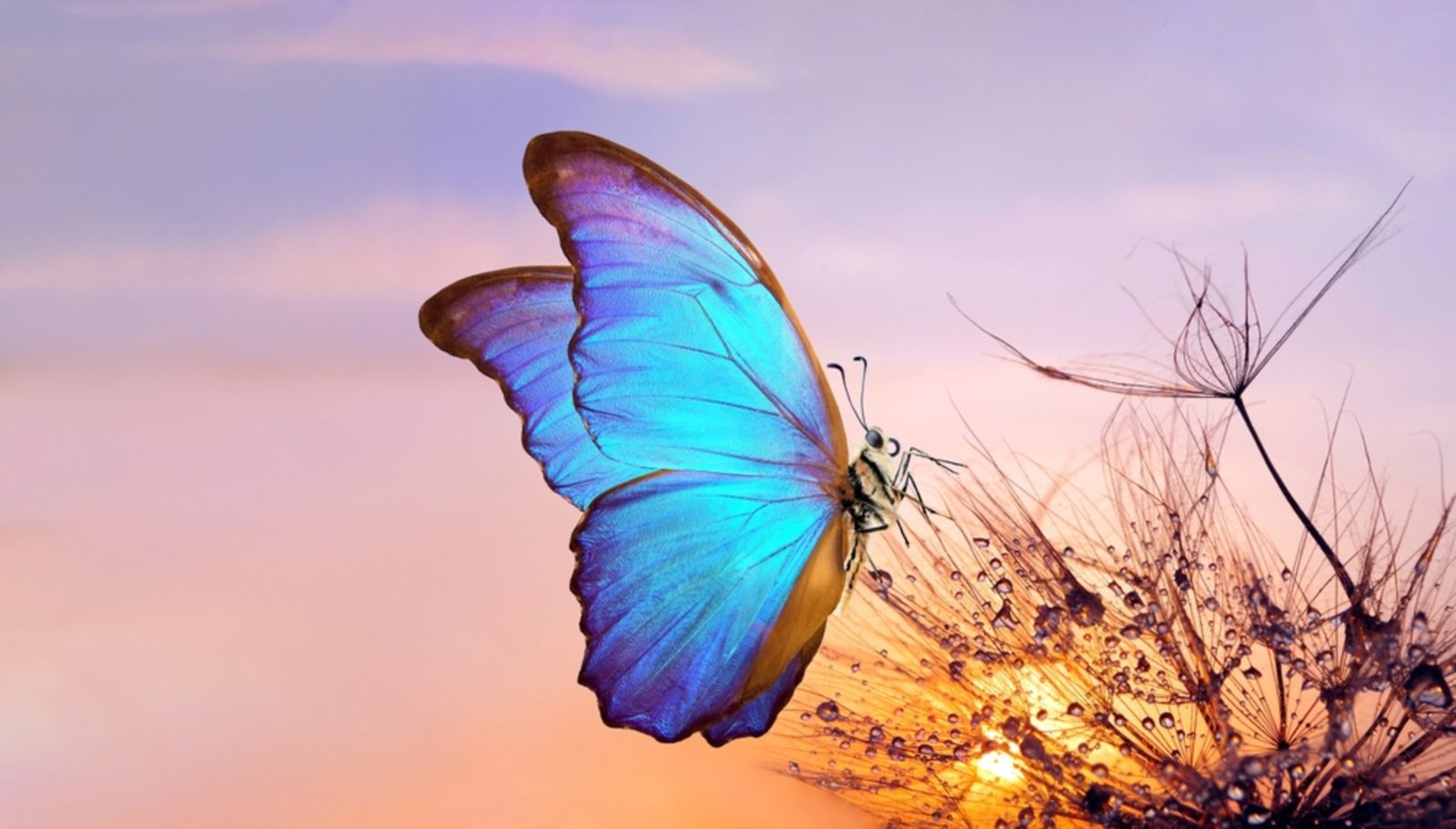
Every camera trap photo, satellite pass, and vacation snapshot captures more than a moment. Each one records how an organism looks, moves, and survives. A new scientific field called imageomics treats those pictures as data and trains machines to pull biological meaning from them.
A new branch of biology
The name follows a deliberate pattern. Genomics reads the genome, proteomics maps proteins, and connectomics charts neural wiring. Imageomics applies the same logic to visual traits, treating the image itself as a record of an organism’s biology.
Researchers at The Ohio State University built the field on this foundation. In 2021, the National Science Foundation awarded the university $15 million to launch the Imageomics Institute, one of the first centers in its Harnessing the Data Revolution program.
Tanya Berger-Wolf directs the institute and shapes its scientific agenda. She called the discipline ready for its first major discoveries during a February 2024 talk at the American Association for the Advancement of Science annual meeting.
Building biology into the model
Most image-recognition systems learn only to assign labels to pictures. Imageomics asks for something harder. The models must link what an animal looks like to the genes and evolutionary history that produced those traits.
To reach that goal, researchers write known biology into the software. They provide the system anatomical structure and evolutionary relationships, which keep its output meaningful to a biologist. That constraint separates imageomics from ordinary computer vision.
Berger-Wolf had extensive experience with the problem. She helped build the Wildbook platform, which recognizes individual animals from photographs, including zebras identified by their unique stripe patterns.
Lessons from mimicking butterflies
Tropical Heliconius butterflies show why the method matters. Two species, Heliconius erato and Heliconius melpomene, both carry toxins and warn predators with bold wing colors. Over millions of years, they evolved to resemble each other, a pattern biologists call Müllerian mimicry.
Human eyes struggle to tell these look-alike species apart, and so do the birds that hunt them. Machine learning reads the faint differences in color and pattern that separate them, differences the butterflies evolved to signal to their own kind rather than to us.
A team from Princeton University, the Smithsonian Tropical Research Institute, and Ohio State recently measured this resemblance across 56 subspecies of the two butterflies. They tuned their neural networks to the vision of birds, so the models judged mimicry the way a predator would rather than the way a person does.
Scientists can also edit a butterfly image to test which changes might fool a predator in the wild. That approach turns machine learning into a source of new, testable ideas rather than a simple sorting tool.
A vast archive of pictures
The raw material already exists in staggering quantities. The world’s natural history collections hold more than two billion specimens, and fresh photographs arrive every day from drones, phones, and field cameras.
Much of that record sits unexamined because no team can review it by hand. Trait-extraction software now converts these dormant images into measurable data on color, shape, and behavior.
Each newly named species and every hidden gap between similar populations widens the archive that imageomics can search. The same tools can also read insect behavior and body shape from ordinary field photographs.
From pictures to protection
The long-term promise points toward conservation. By linking appearance to genetics, researchers hope to identify vulnerable populations and protect the habitats they need.
The same models that separate two butterflies can catch changes in a threatened animal long before a person would notice them. That head start gives conservationists an earlier warning and a sharper view of life on Earth.
Berger-Wolf expects rapid progress. “There’s a lot of good that will come from imageomics in the coming years,” she said.
This report draws on research presented at the American Association for the Advancement of Science annual meeting and described by The Ohio State University. The butterfly measurements come from a recent analysis by the same research group.
—–
Like what you read? Subscribe to our newsletter for engaging articles, exclusive content, and the latest updates.
—–
Check us out on EarthSnap, a free app brought to you by Eric Ralls and Earth.com.
—–
















Leave a comment