
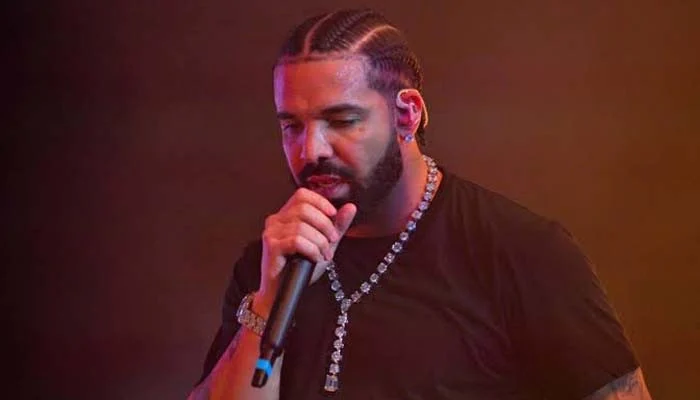
Drake has been closely associated with the increasing debate over AI in music, from AI-powered variants of his voice to songs that raise concerns regarding artists’ rights, copyright and consent.
The God’s Plan rapper’s experiences have become part of a massive discussion as the music industry tries to keep pace with increasingly developing AI-powered features.
1. AI Drake first made headlines with “Heart on My Sleeve”
In 2023, an anonymous creator known as Ghostwriter released Heart on My Sleeve, a song that used AI-centric vocals resembling Drake and The Weeknd.
The track gained widespread popularity and was later removed from streaming platforms, becoming an early example of how AI could convincingly intimate famous artists.
2. Drake later used AI voices himself
In 2024, Drake launched Taylor Made Freestyle, the song was integrated with AI-centric vocals imitating late rapper Tupac Shakur and Snoop Dogg.
Tupac’s estate threatened legal action over the unauthorised use of his voice, and Drake subsequently removed the track from social media.
3. Voice cloning creates legal questions
AI-centric songs can feature new music and lyrics while imitating a known figure’s voice, making conventional copyright law difficult to apply in some cases, while publicity and personality rights can provide another legal route.
4. Record labels are taking action
The debate has expanded beyond individual songs.
Last month, Universal Music Group filed a lawsuit against music distributor DistroKid, alleging that the platform distributed unlicensed and AI-centric variants of songs by artists including Drake. DistroKid denied the allegations.
Amid an increasing use of AI music tools, Drake’s experiences underscores the significance of developing clearer rules around voice cloning and artificial intelligence.








Leave a comment