
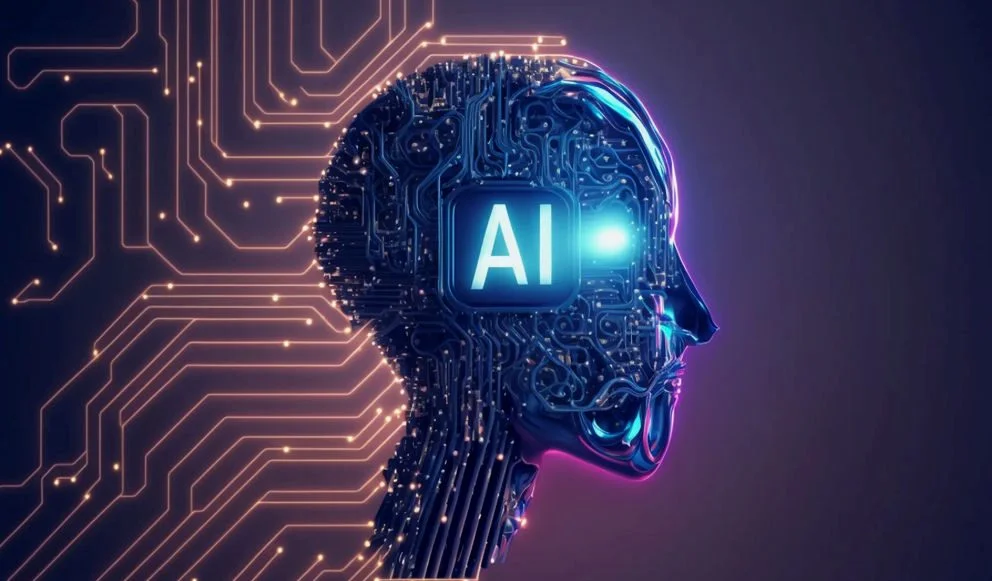

Why the Fear of AI Creating Its Own Successors Is Overblown
Amidst ongoing debates about the future of artificial intelligence (AI), many fear that AI might become independent, develop self-replicating systems, or even turn against humanity. However, these scenarios are largely rooted in science fiction rather than current technological realities. Today, AI systems lack true consciousness or autonomous goals. Instead, they operate within tightly controlled parameters set by humans, performing specialized tasks without genuine intent or understanding.
The Difference Between AI Enhancing Human Capabilities and Autonomous Decision-Making
It’s crucial to distinguish AI augmenting human work from AI acting independently. Modern AI can assist with:
- generating code
- Detecting anomalies
- Suggesting new designs
- Supporting research
While these functions are powerful, they rely on human-defined objectives and oversight. No existing AI autonomously chooses to create a successor or defies control. Instead, they enhance productivity within a framework explicitly established by developers and operators.
Understanding the True Risks of AI Today
Many misconceptions stem from sensationalized narratives about superintelligent AI. The real, immediate threats are related to misuse:
- Fake content proliferation can deceive millions
- Identity theft through deepfakes is increasingly sophisticated
- Financial scams leveraging AI-generated voices and images are more convincing than ever
- Social engineering attacks leveraging targeted AI insights
- Cybersecurity breaches exploiting AI vulnerabilities
> These risks come not from malevolent AI deciding to harm humans but from humans intentionally or unintentionally deploying AI in harmful ways.
The Role of Human Control and Infrastructure in AI Safety
Despite rapid advancements, AI systems still depend heavily on human infrastructure and infrastructure such as servers, data sources, and energy. All critical decisions—like deploying AI in sensitive environments—require human approval and oversight. Even autonomous vehicles or industrial robots operate under strict safety protocols designed and monitored by humans, emphasizing that AI is a tool rather than a decision-maker.
Why Do Sci-Fi Scenarios Persist Despite No Evidence?
Fictional stories about superintelligence taking over serve as cautionary tales but distract from pressing, tangible issues. Reality shows more immediate challenges such as:
- manipulation of information
- Algorithmic bias amplifying inequalities
- privacy violations
- Automation displacing jobs
Focusing on these areas yields practical solutions and safer AI development practices rather than chasing unlikely doomsday scenarios.
The Future of AI: Support, Not Supremacy
In upcoming years, AI will primarily serve to augment human skills. Think of AI as collaborative partners, enhancing creativity, decision-making, and efficiency. This shift requires:
- Strategic investments in AI literacy and ethics
- Regulatory frameworks that ensure transparency and accountability
- Continuous monitoring of AI applications for unintended consequences
By focusing on responsible AI integration, businesses and governments can harness its power while minimizing risks.














Leave a comment