
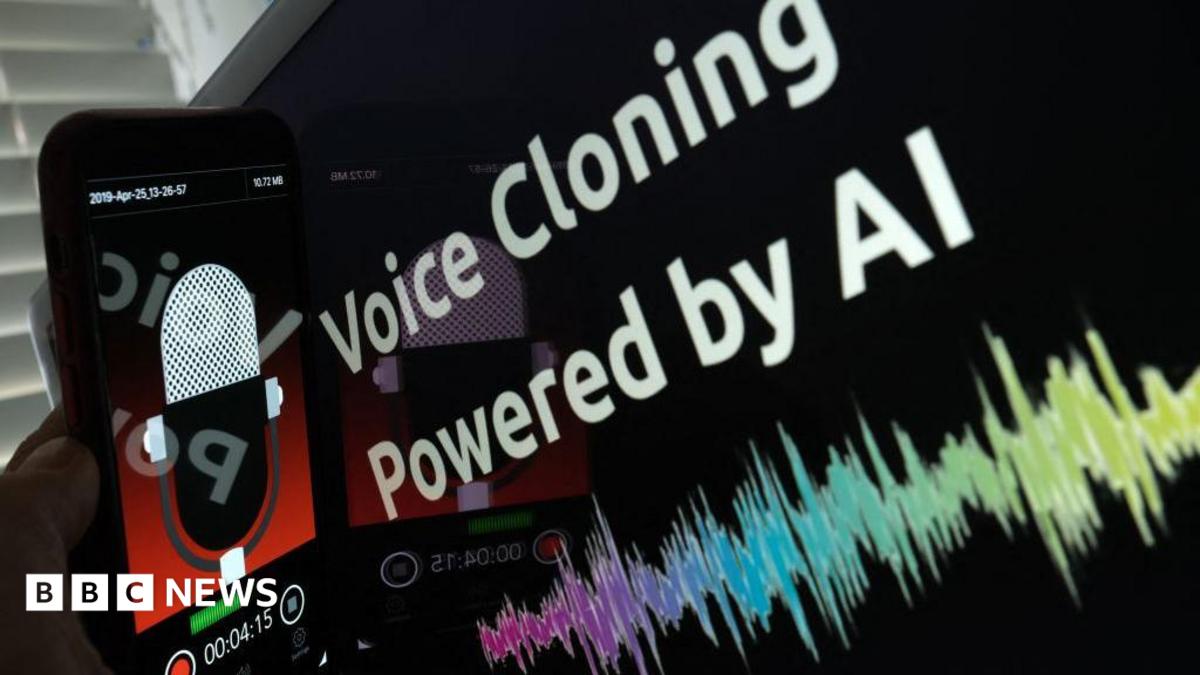
Pavis said some European countries have long recognised personality rights as part of protecting identity.
“And they didn’t wait for AI or the internet,” she added.
Since 1858, French law has treated image rights as part of protecting a person’s identity, alongside rights such as privacy and reputation.
Today, French law protects specific personal features like a person’s name, image, voice and privacy, rather than giving one broad “personality right”.
GDPR is a gap in UK law at the moment which lawyers are “desperately” using against deepfakes and cloning, Pavis added.
“But it’s not that effective because it wasn’t written with voice cloning or digital cloning in mind,” Pavis said.
She said one of the rights that can be effective in cloning is GDPR, because when you make a clone of someone, you have to process their personal data.
“As for Faye they [the individuals that cloned her recording] are still interfering with her digital dignity and personal autonomy and as a voice actress they are actively interfering and competing with her business which is not ok,” Pavis said.












Leave a comment