
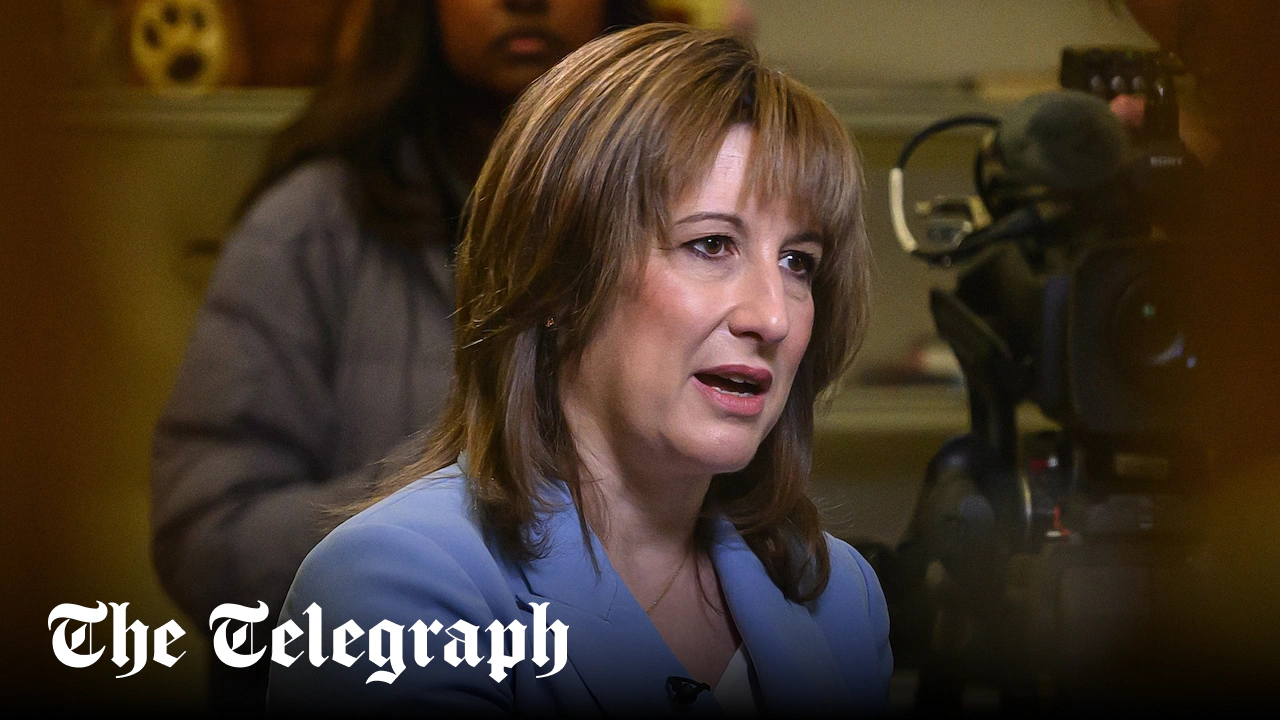
Rachel Reeves’s business rates tax raid will cost Britain’s fragile manufacturing sector £1bn and put 25,000 jobs at risk, a trade group has warned.
Factories across the country will pay £939m more in business rates this year after tax changes took effect at the start of April, according to research by Make UK, which represents thousands of manufacturers.
The trade body warned this will increase pressure on the sector at a time when it already faces “existential threats” from surging energy and employment costs.
In a new analysis published on Tuesday, Make UK said many firms will be unable to raise prices given Britain’s weak economy, meaning they will look to cut jobs to cope with the near-£1bn bill.
Some 25,000 jobs are at risk of redundancy to counter the higher business rates, Make UK estimates.
Economists have already warned of rising unemployment as a result of Donald Trump’s war in Iran, which investment bank ING has estimated could cost 100,000 British jobs in the coming months as a result of rising energy prices for employers.
Verity Davidge, policy director at Make UK, said: “This increase couldn’t come at a worse possible time and is set to hammer one of the Government’s key strategic sectors, which is already facing existential threats from increased energy and employment costs, which are completely out of their control.
“For many companies right now, just to survive the burdens being imposed on them will be an achievement in itself.”
Most commercial properties – from offices to shops and warehouses – must pay business rates, which are typically charged on a premise’s “rateable value”. This is based on how much it could be rented out for.
Manufacturers warn that the sector faces a disproportionate hit from rising business rates, as they tend to occupy much bigger spaces than other companies.
As a result, two businesses with the same staff numbers and turnover can face big differences in their business rates bill depending on what industry they are in.
Ms Davidge said: “The current system of business rates is outdated and is a blunt instrument that leaves manufacturers paying disproportionately more than other sectors relative to their size.”
The Chancellor’s new rules dictate that large properties that could command more than £500,000 in rent annually face a higher tax rate, in a blow to factories.
The trade body also warned that factories are discouraged from investing in solar panels and other green ways to offset their energy bills, as it is likely to increase the rateable value of the property and thereby their business rates bill.
Britain’s job market is already suffering the highest rate of unemployment since the height of the pandemic.
The rise in business rates coincided with the minimum wage rising to £12.71 at the start of April, up by 50p.
Britain’s minimum wage is now one of the highest in the world, increasing by 43pc in the last five years – well ahead of inflation.
Make UK is calling on the Government to find a better way to tax properties, such as linking the bill directly to turnover and sales so it is proportional to performance.
The trade body also wants businesses to get 12 months’ notice before new rates take effect.














Leave a comment